


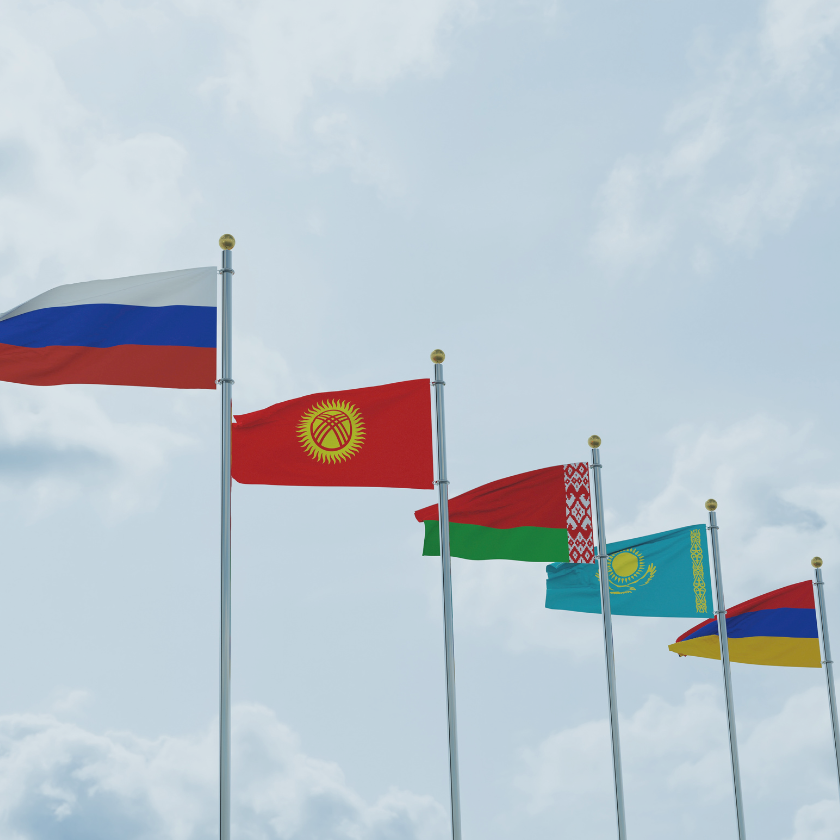






OTAN : 75 ans de solidarité stratégique
Conférence hybride en anglais et en français avec traduction simultanée
Titre bloc à la une
À la une
Voir toutes nos analyses
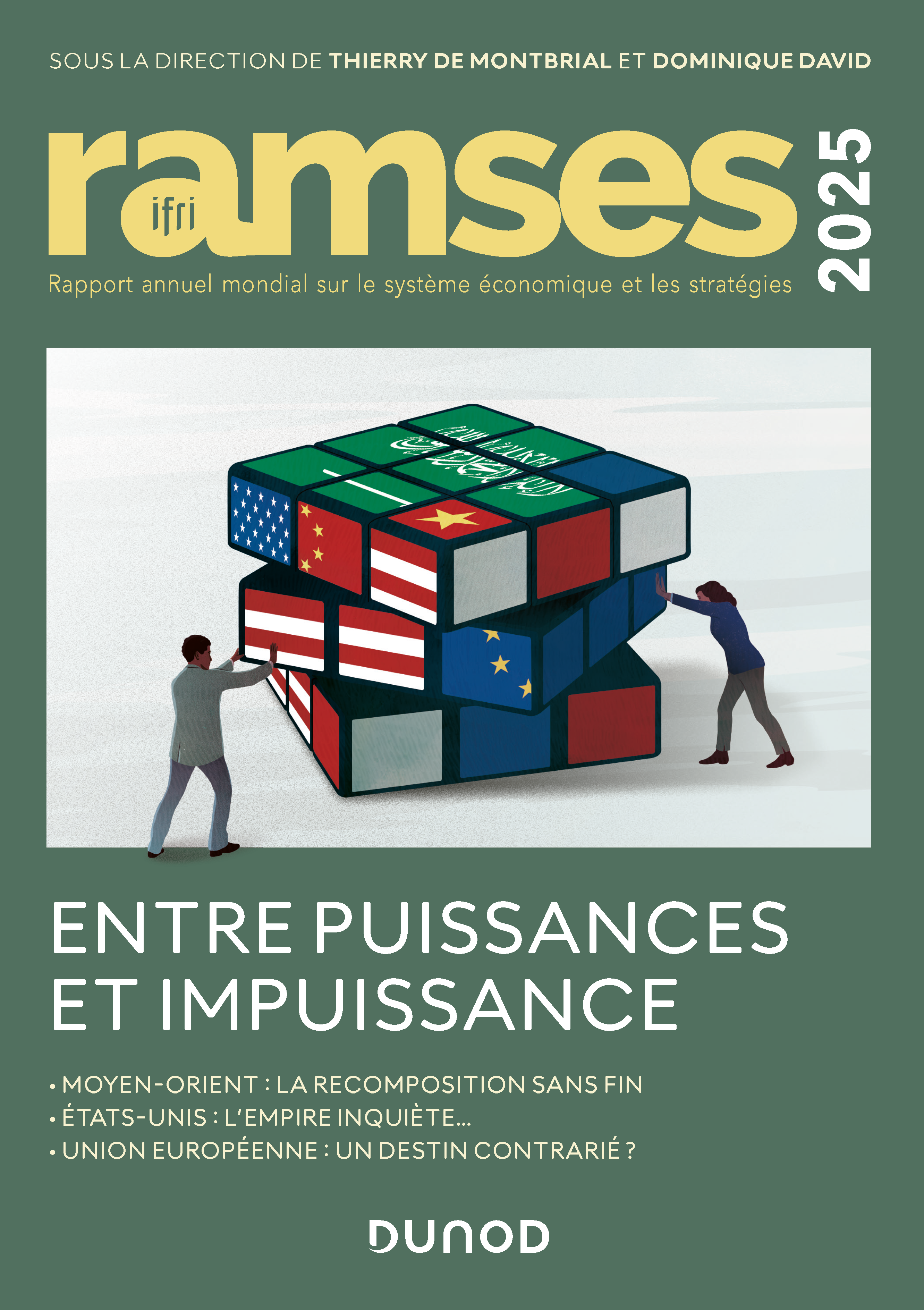
Ramses 2025. Entre puissances et impuissance
Jamais on n’a décompté autant de puissances pouvant, dans leur espace de jeu, dérégler les équilibres internationaux ; jamais les puissances dominantes n’ont semblé aussi impuissantes à parer à la fragmentation du monde.

L'Intelligence artificielle ou la course à la puissance
L’Intelligence artificielle (IA) s’impose, se diffuse, à une rapidité qu’on peine à représenter, infusant d’ores et déjà dans de multiples domaines.

Entre “autonomie stratégique” et “changement d’époque”. L’importance économique et stratégique des relations commerciales entre l’UE et le Mercosur
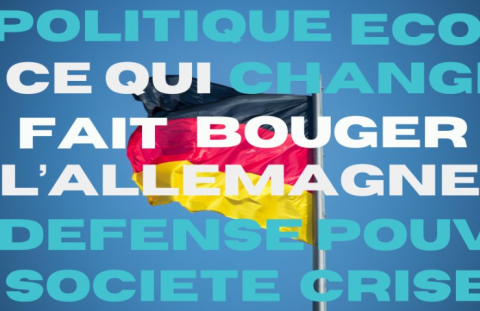
Au cours des dernières années, la France et l’Allemagne ont procédé à une réorientation de leur politique économique en œuvrant activement à l’émergence d’une stratégie industrielle européenne et à la réduction des vulnérabilités économiques – « de-risking » – au sein de l’Union européenne (UE).

Pourquoi le gouvernement géorgien fait-il le choix de la Russie ?
Le discours prononcé le 29 avril 2024 par le milliardaire Bidzina Ivanishvili, dirigeant officieux de la Géorgie, a été largement perçu dans le pays et à l’étranger comme un tournant dans l’orientation géopolitique du pays.
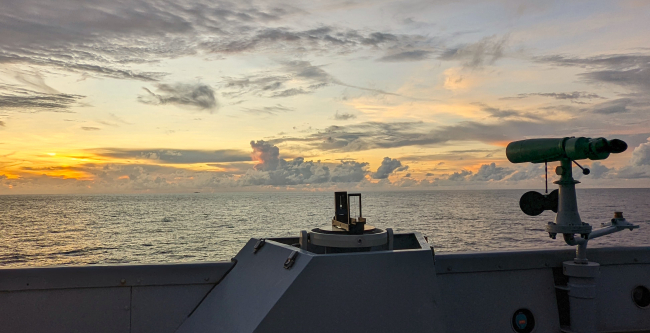
Déploiement de la frégate Bretagne dans l’Indo-Pacifique : mettre en oeuvre la stratégie française dans la région
Le déploiement de la Frégate multi-missions (FREMM) Bretagne de la Marine nationale dans l’Indo-Pacifique ces derniers mois démontre la capacité française de projection loin de la métropole, et concrétise sa stratégie indopacifique.

Géopolitique de la puissance américaine
Qu’est devenue la puissance américaine ? Si les États-Unis veulent encore diriger le monde, en sont-ils toujours capables ?
Dans les médias


"Une guerre entre Israël et le Hezbollah serait une catastrophe pour les États-Unis et Joe Biden"
Dominique David, conseiller du président de l'Ifri, présente l'édition 2025 du RAMSES. Les équilibres internationaux sont profondément déréglés et les puissances dominantes semblent impuissantes à parer à la fragmentation du monde. Peut-on dire qu'au Moyen-Orient cette impuissance se manifeste aujourd'hui de la manière la plus tangible ?


Extrême droite en Allemagne : « L’AfD joue sur un sentiment nostalgique paradoxal »
Les records historiques du parti d’extrême droite allemand (AfD) en Thuringe et en Saxe semblent faire dangereusement basculer l’est de l’Allemagne. Paul Maurice décrypte cette montée du vote radical et d’extrême droite dans l’ex-RDA, terre fertile pour l’AfD qui joue sur un « sentiment nostalgique paradoxal ».


Agenda
Gouverner à la marge des villes : l’impact de la croissance des villes sur les périphéries urbaines en Afrique
Titre
En ce moment


Titre
À regarder et écouter


Thomas Gomart, directeur de l'Ifri | les Mardis de l'ESSEC / LCP
L'invité des « Les Mardis de l’ESSEC » / LCP de ce 17 septembre est Thomas Gomart, directeur de l'Institut Français des Relations internationales (Ifri).
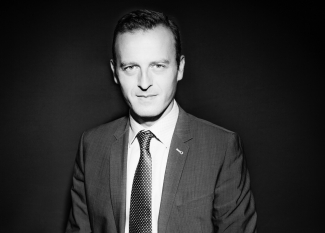

Quelles sont les priorités diplomatiques de la France ?
Entretien avec Emmanuel Bonne, conseiller diplomatique et Sherpa G7-G20 du Président de la République, Emmanuel Macron, mené par Daphné BENOIT, cheffe du pôle international de l'AFP.

L'IA s'en va-t-en guerre
Quelles sont les principales innovations apportées par l'IA dans les guerres qui se déroulent en Ukraine et à Gaza ? Quels risques ces développements posent-ils pour les guerres du futur ? Quelle place pour le droit international face à l'essor des armes autonomes ?


RAMSES 2025 - Huit vidéos pour éclairer l'actualité
Découvrez huit interviews exclusives pour éclairer les lignes de force des thématiques du RAMSES 2025 qui s'articule cette année autour de trois enjeux majeurs : Moyen-Orient-Orient : la recomposition sans fin ; États-Unis : l'empire inquiète ; Union européenne : un destin contrarié ?
Titre mis en avant
Écoutez le podcast « Le monde selon l'Ifri » !
Présenté par Marc Hecker, directeur adjoint de l'Ifri, et co-animé avec Katie Hamilton, ce podcast livre des clés de compréhension des enjeux géopolitiques d'aujourd'hui. 2 épisodes sortent chaque mois.
Comprendre le monde d'aujourd'hui pour mieux préparer demain

Depuis plus de 45 ans, l’Ifri place les relations internationales au centre des discussions au profit de l’intérêt général.
Soutenez une recherche française indépendante
L'Ifri, fondation reconnue d'utilité publique, s'appuie en grande partie sur des donateurs privés – entreprises et particuliers – pour garantir sa pérennité et son indépendance intellectuelle. Par leur financement, les donateurs contribuent à maintenir la position de l’Institut parmi les principaux think tanks mondiaux. En bénéficiant d’un réseau et d’un savoir-faire reconnus à l’international, les donateurs affinent leur compréhension du risque géopolitique et ses conséquences sur la politique et l’économie mondiales. En 2024, l’Ifri accompagne plus de 70 entreprises et organisations françaises et étrangères.

Titre container
Deux publications phares
Titre en savoir plus
Ramses 2025
"Entre puissances et impuissance"
Ramses 2025
"Entre puissances et impuissance"
Chaque année, le Ramses donne les clés et repères indispensables pour décrypter les évolutions du monde. Ramses 2025, Paris, Ifri/Dunod, 384 pages, septembre 2024

Titre en savoir plus
Politique étrangère
Politique étrangère
La revue de débats et d’analyses sur les grandes questions internationales.
