



Informations pratiques
Thématiques et régions
Centres et programmes liés
Ceci est un événement réservé.
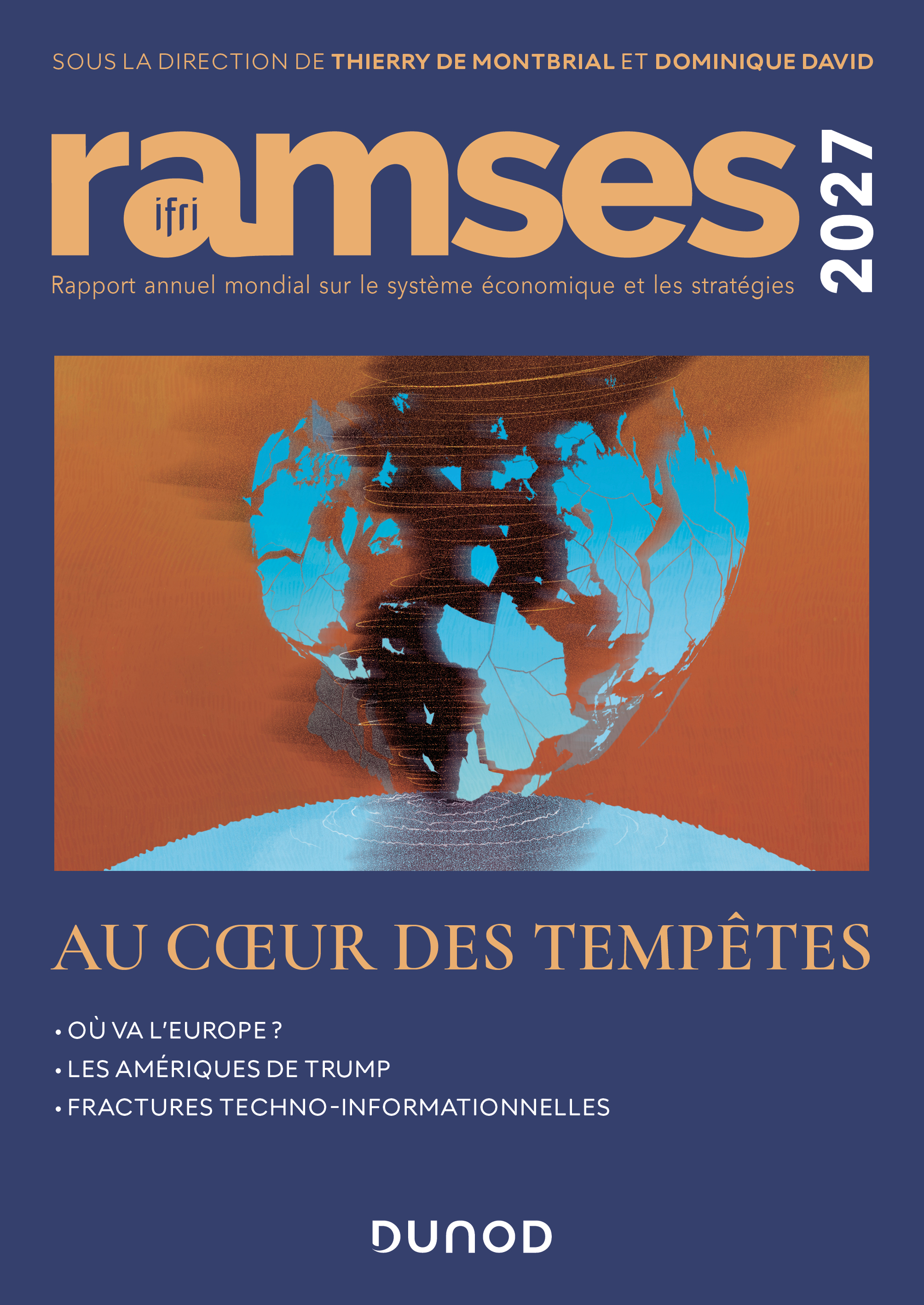
En savoir plus sur nos programmes de soutienIn the current context of oil prices drop, new trends are emerging on the global LNG market, both in terms of demand and supply. These dynamics can have a significant impact on Europe, which is also entering a new era in terms of relations with Russia and has to cope with a weak demand. In its recent Communication on the Energy Union, the European Commission announced the elaboration of a comprehensive LNG strategy. This debate aims to understand the EU position on the global LNG markets. How can LNG fully play a back-up role in crisis situations? Can it be spread across Europe? More generally, what role can natural gas play in the European energy policy given the current context?
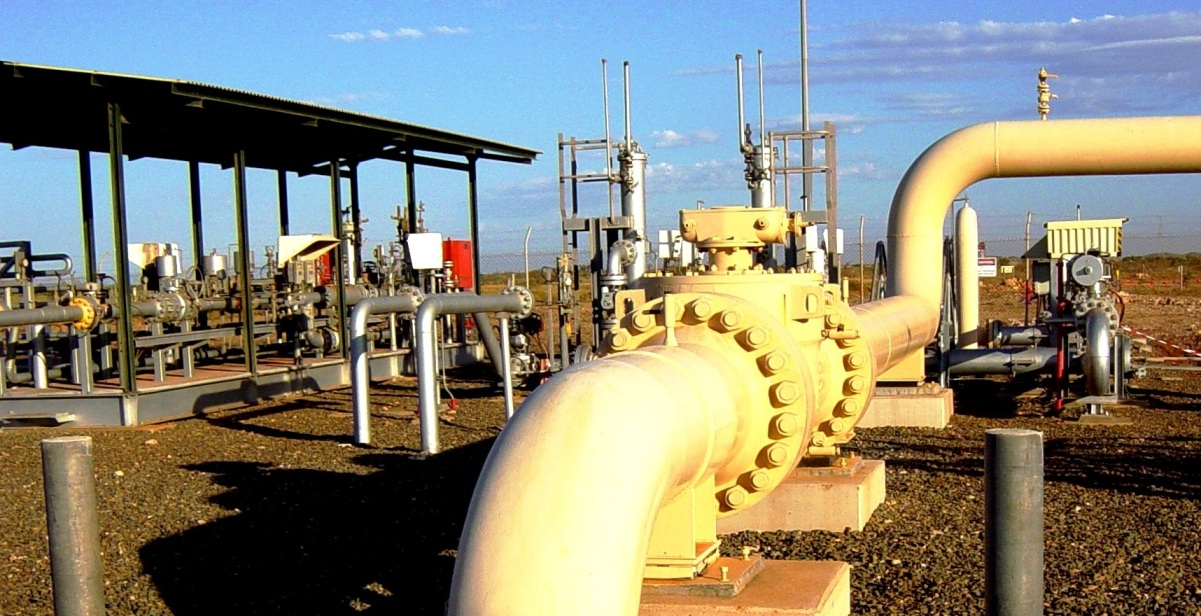
The Ifri Center for Energy is hosting a roundtable conference with:
Pierre COTIN
Chief Strategy, Development & Marketing Officer, Elengy on behalf of Gas LNG Europe (GLE)
François-Régis MOUTON
Chairman, GasNaturally
Takuro YAMAMOTO
LNG Analyst, International Energy Agency (IEA)
Monika ZSIGRI
Policy Officer, International Energy Market, Security of Supply
DG Energy - European Commission
Chaired by Marie-Claire AOUN, Director of the Ifri Center for Energy
Sujets liés
Autres événements
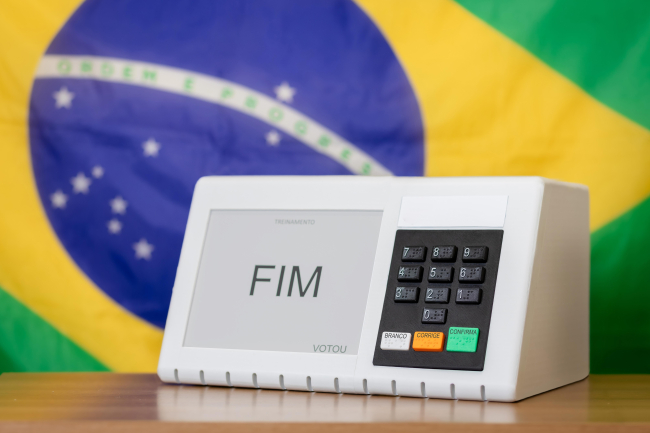
Brésil : vers une continuité décevante, avec Lula ou Bolsonaro
Un brief de 30 minutes autour de Jean-Louis Martin, chercheur associé, Programme Amériques et Centre énergie et climat de l'Ifri.

La sécurité environnementale : nouvel enjeu de l’autonomie stratégique européenne
Face aux bouleversements géopolitiques, à l’accélération du changement climatique et aux avancées technologiques qui redessinent les rapports de force mondiaux, la maîtrise des ressources s’impose comme un enjeu de puissance. Eau, énergie, matières premières critiques : des sujets longtemps appréhendés principalement sous l’angle environnemental ou économique occupent aujourd’hui une place croissante dans les réflexions sur la souveraineté et la sécurité des États.
Le renseignement peut-il encore anticiper les ruptures ?
Retour de la guerre de haute intensité en Europe, durcissement des rivalités entre puissances, multiplication des menaces hybrides, persistance du risque terroriste : le monde est entré dans une ère de confrontation où l'information, son contrôle et son exploitation sont devenus des armes à part entière.