





Practical information
Themes and regions
Related centers and programs
The Western Balkans have been on the EU path for more than twenty years now, without really getting closer to EU accession. Their European perspectives took a new turn with Russia’s aggression against Ukraine.
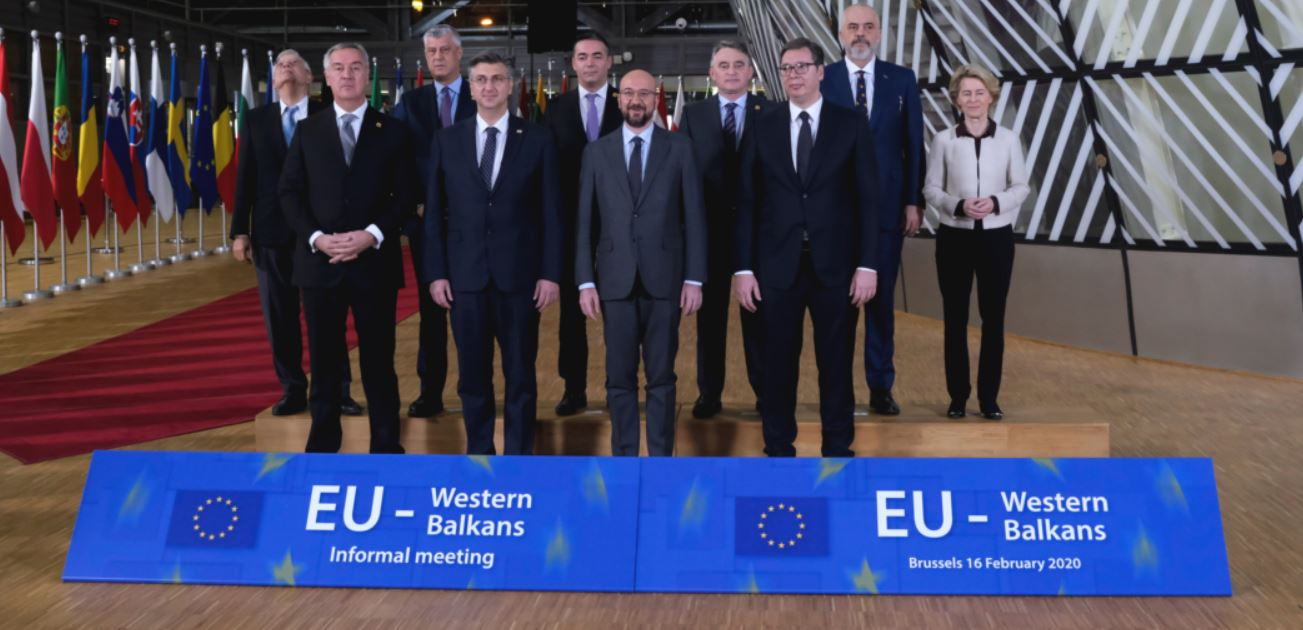
The new geopolitical context makes their accession an incontrovertible goal. Yet, much remains to be done to make it a reality. Disrupted by bilateral disputes and contested sovereignty issues, the EU’s accession policy has lost much of its clout, and it is ill-equipped, in its present form, to tackle serious challenges in the East, let alone complex security-related issues. Also, its revamp, whilst necessary, hinges on sensitive internal reforms in the EU and on Member States’ competing visions of the future of Europe. What course should the EU set for a more strategic accession policy in the new geopolitical context? What reforms would the EU need to undergo to ensure the proper and timely completion of the process? How can the EU counter the disrupting power of open bilateral disputes and contested sovereignty issues and effectively promote good neighbourliness? In a word, what should a new agenda for the EU in the Western Balkans look like?
Programme
Welcome
Dominique David, President of the Austro-French Centre for Rapprochement in Europe; Advisor to the Executive Chairman of the French Institute of International Relations (Ifri)
Discussion
Donika Emini, Member of the Balkans in Europe Policy Advisory Group (BiEPAG), Researcher at the University of Westminster and Executive Director of CIVIKOS
Alexandre Adam, Former Europe advisor to French President Emmanuel Macron, Member of the Council of State of the French Republic and Member of the Council of the European Council on Foreign Relations
Moderation
Florent Marciacq, Deputy Secretary General of the Austro-French Centre for Rapprochement in Europe and Associate Researcher at the French Institute of International Relations (Ifri
REGISTRATIONS ARE CLOSED

Related Subjects
Other events
The EU–India Defense Partnership in an Evolving Security Environment
On 27 January 2026, the European Union and India signed a Security and Defence Partnership on the sidelines of the EU-India Summit. This agreement marks an important step in the evolution of the strategic partnership between the two sides, placing security and defence at the heart of a relationship that has until now been driven primarily by trade and economic cooperation.
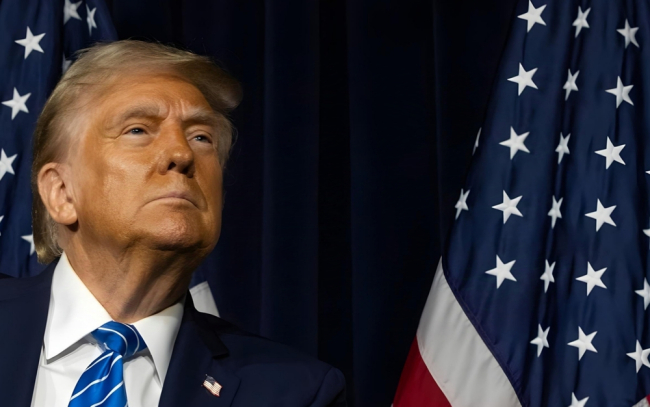
One Month Ahead of the Midterms: Where Is Trump’s America Headed?
The 24th edition of the Ifri Americas Programme Annual Conference will examine the dynamics at play in the United States and their implications for Europe and the transatlantic relationship. will examine the dynamics at play in the United States and their implications for Europe and the transatlantic relationship.