







Le renouveau de la politique africaine du Japon

En organisant la TICAD (Conférence internationale de Tokyo sur le développement de l’Afrique) pour la première fois en Afrique en août 2016, le Japon entendait marquer une accélération et un approfondissement de sa relation avec le continent.
Tokyo a en effet été longtemps en retrait en Afrique par rapport à nombre d’autres puissances industrielles. De la fin de la Deuxième Guerre mondiale aux années 80, les liens avec le continent sont ténus : ce n’est qu’en 1961 que le Ministère des Affaires étrangères japonais se dote d’une division Afrique. Le Japon compte à cette période quatre ambassades sur le continent. Il faut attendre 1974 pour voir la première visite d’un Ministre des affaires étrangères (Toshio Shimura) sur le continent (Egypte – Ghana – Tanzanie – Zaïre) et 1979 pour voir la seconde (Nigeria – Côte d’ivoire – Sénégal – Tanzanie – Kenya). Cette timidité contraste cependant avec l’activisme diplomatique actuel de Tokyo, le premier ministre Shinzo Abe s’étant en effet rendu à deux reprises en Afrique ces dernières années, la première fois en janvier 2014 dans une tournée au Mozambique, en Côte d’Ivoire et en Ethiopie et la seconde en août 2016 à Nairobi pour la 6ème édition de la TICAD.
Ce contenu est disponible en anglais : Le renouveau de la politique africaine du Japon



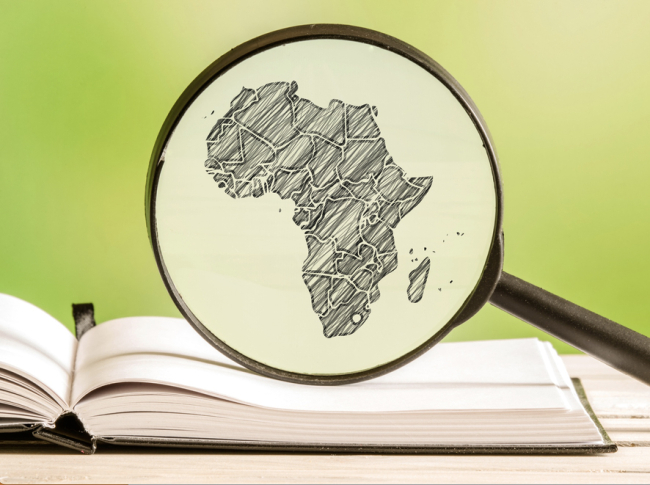
Centre Afrique subsaharienne
Créé en 2007, le centre Afrique subsaharienne de l’Ifri produit une analyse approfondie du continent africain, de ses dynamiques sécuritaires, géopolitiques, politiques et socio-économiques (en particulier le phénomène d’urbanisation). Le Centre se veut à la fois, via les différentes publications et conférences, un espace de diffusion d’analyses à destination des médias et du public mais aussi un outil d'aide à la décision des acteurs politiques et économiques à l'égard du continent.
Le centre produit des analyses pour différents organismes tels que le ministère des Armées, le ministère de l'Europe et des Affaires étrangères, l’Organisation de coopération et de développement économiques (OCDE), l’Agence française de développement (AFD) ou encore pour différents soutiens privés. Ses chercheurs sont régulièrement auditionnés par les commissions parlementaires.
L’organisation d’événements de divers formats complète la production d’analyses en amenant les différentes sphères de l’espace public (académique, politique, médiatique, économique et société civile) à se rencontrer et à échanger outils d’analyse et visions du continent. Le Centre Afrique subsaharienne accueille régulièrement des responsables politiques de différents pays d’Afrique subsaharienne.
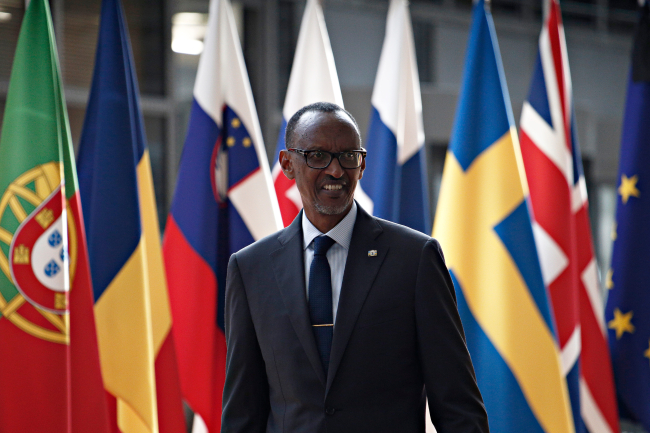
The Vectors and Means of Rwanda’s Growing External Influence under Paul Kagame
For three decades, Paul Kagame’s Rwanda has pursued a foreign policy aimed at increasing investment in the national economy, maximizing military cooperation and intelligence sharing, and promoting a model of post-genocide state reconstruction.
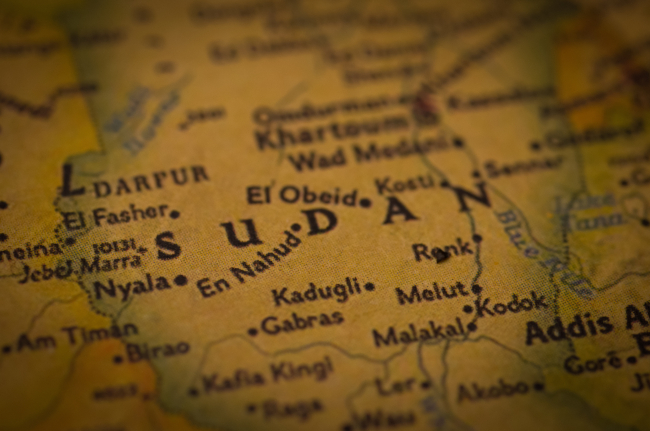
Sudan Wartime Online Propaganda
In the Sudan conflict, the propaganda battle between the Sudan Armed Forces (SAF) and the Rapid Support Forces (RSF) on mainstream and social media makes it hard to distinguish real, false, and manipulated information. Furthermore, the lack of field press coverage allows fake and misleading news to spread more easily. Although the SAF and RSF work hard to shape the war narrative by building large supporter networks and using various methods such as disinformation and censorship, it is clear they no longer fully control the flow of information. Social media analysis shows that Sudanese politicians, military figures, influencers, and followers weave a tangled web of exchanges filled with rivalries, lies, and propaganda.
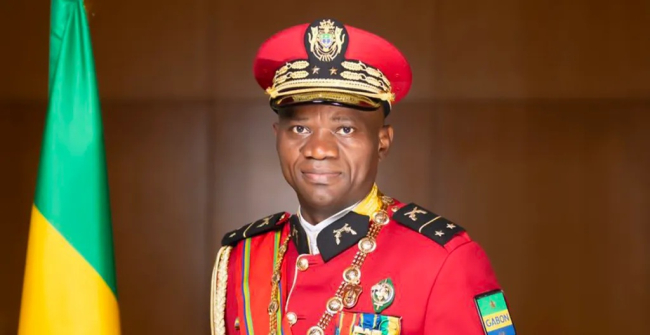
Gabon: Has an — Almost — Exemplary Transition Produced a New Political Model?
In two rounds of voting, on September 27 and October 11, 2025, the citizens of Gabon elected the members of both their local councils and the new national assembly. This marked almost the final stage of political transition, little more than two years after the coup d’état that had overthrown the more than five decades old dynastic regime of the Bongos — Omar, the father, who died in office in 2009, and then his son Ali, who is now in exile.
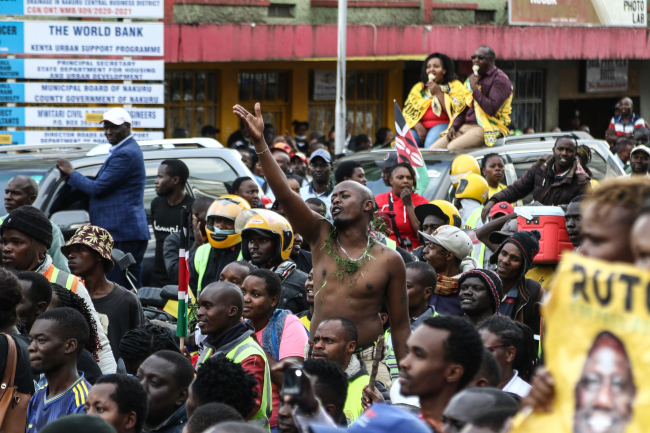
Claiming "The People": Youth Booms, Ailing Authoritarians and "Populist" Politics in Kenya, Uganda, and Tanzania
This study analyses the emergence of so-called “populist” political tendencies in three East African countries: Kenya, Uganda and Tanzania. It builds its analysis on a wider discussion of the term “populism”, its use and applicability in (eastern) African settings before going on to examine the drivers of three cases of populism: William Ruto’s 2022 election victory in Kenya and the “Hustler Nation”; Bobi Wine’s opposition to Yoweri Museveni in Uganda; and John Magufuli highly personal style of government in Tanzania.