




Security - Defense
As a result of global strategic competition, security and defense issues are marked by the return of major wars and nuclear deterrence, the transformation of terrorism and the race for military technologies.
Related Subjects
Les ressources humaines, un enjeu stratégique pour les armées
The French Military Planning Act for the years 2019-2025, is “dedicated” to men and women in the services, showing how crucial the human factor is for the armed forces.
Nuclear Multipolarity: Myths and Realities of Competition
The term “arms race” does not accurately reflect the events of the Cold War, let alone the multipolar logics that have followed it.
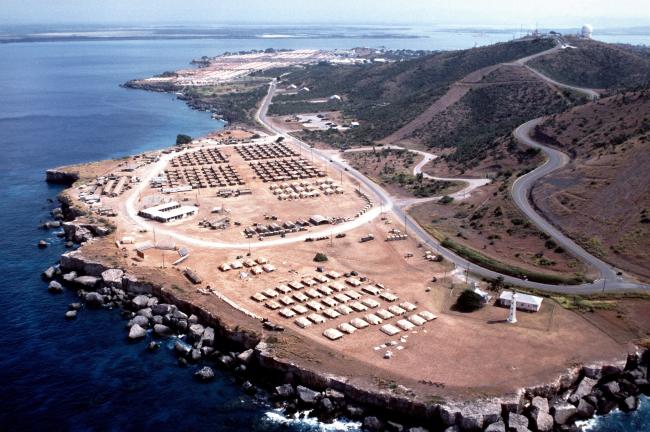
Les bases de la puissance. Enjeux géopolitiques et stratégiques des bases militaires avancées
Throughout history, great powers have relied upon forward military bases, either to support their interventions in areas of interest, to re-assure allies or to control a territory.
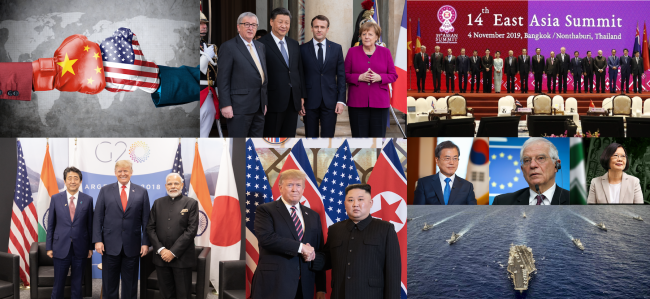
East Asia Security in Flux. What Regional Order Ahead?
In February 2020, the Ifri Center for Asian Studies and the Research Institute for Peace and Security (RIPS) held a conference on the Asian security environment.
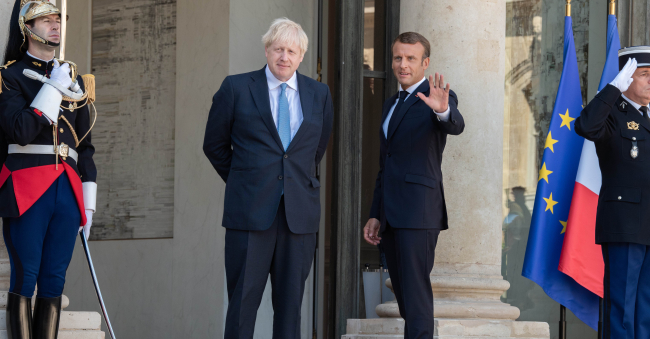
Complementarity or Competition? Franco-British Cooperation and the European Horizon of French Defense Policy
What does future hold for the Franco-British defense partnership after Brexit?
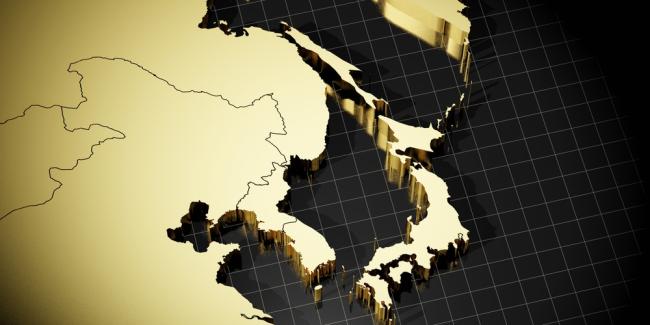
The Return: Russia and the Security Landscape of Northeast Asia
Northeast Asia has emerged as a critical theater of Russian foreign policy in recent years.
Moscow’s historical Westerncentrism is giving way to a new awareness about the vital importance of the region. The “turn to the East” now has genuine substance and impetus. Yet Russian policy is a work in progress, more opportunistic than strategic. The security landscape is complex and fluid, and Moscow has struggled to manage its contradictions.
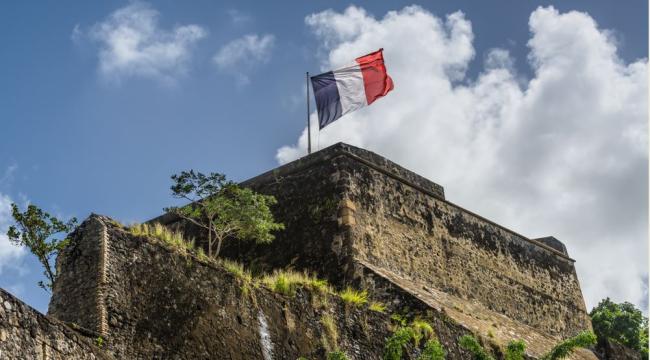
Confettis d’empire ou points d’appui ? L’avenir de la stratégie française de présence et de souveraineté
France is one of the few nations in the world to benefit from a permanent global military presence. With more than 10,000 military personnel from all three services, deployed across the five continents and the three main oceanic basins, it benefits from the second largest network of prepositioned forces in the world.


France to spell out nuclear plan
A researcher said that ‘the balance is shifting, including in countries such as Germany’ on the role of nuclear weapons in Europe’s strategic ambitions.
France, the EU’s sole nuclear power since Britain’s exit from the bloc, was to unveil how it intends to use its atomic arsenal as a deterrent. French President Emmanuel Macron, in an address to military officers graduating in Paris yesterday, was expected to recommit to upgrading France’s capacity, at a time when NATO allies, who would ordinarily look to the US in a nuclear standoff, worry about Washington’s retreat from the multilateral stage.

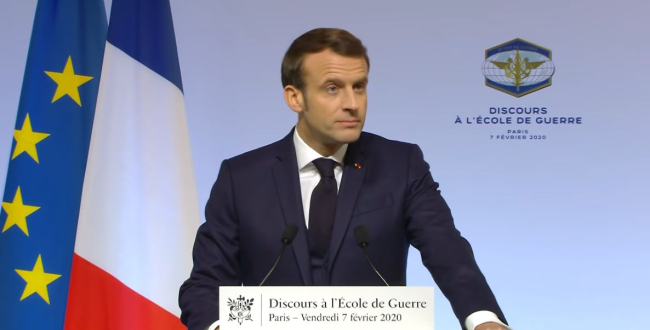
France to spell out post-Brexit nuclear weapons strategy
France, the European Union's sole nuclear power since Britain's exit from the bloc, will unveil Friday how it intends to use its atomic arsenal as a deterrent in an increasingly unstable world.
New Global Challenges and European Security
In this special issue of Politique étrangère devoted to the proceedings of the conference organized by Ifri on April 10, 2019, in the Grand Amphitheater of the Sorbonne, on the occasion of its fortieth anniversary, discover the debate moderated by Nicole Gnesotto between Julian King, Jean-Marie Guéhenno, Wolfgang Ischinger, Nathalie Tocci, Hubert Védrine.
What Does It Mean to Be a European Defense Company Today?
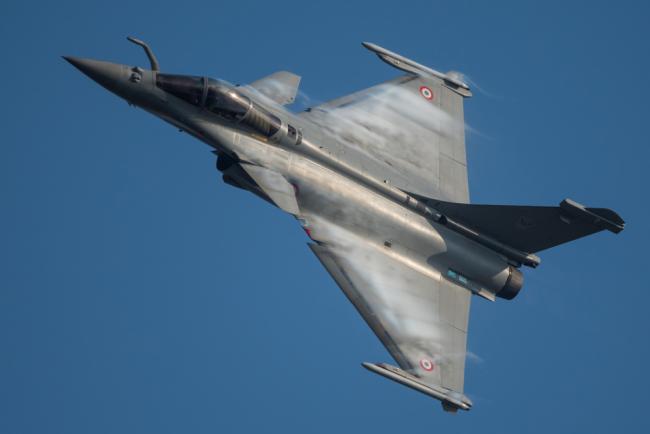
In many ways, defense firms in Europe should be pleased with the recent uptick in defense spending.
No Longer a Middle Power: Australia’s Strategy in the 21st Century
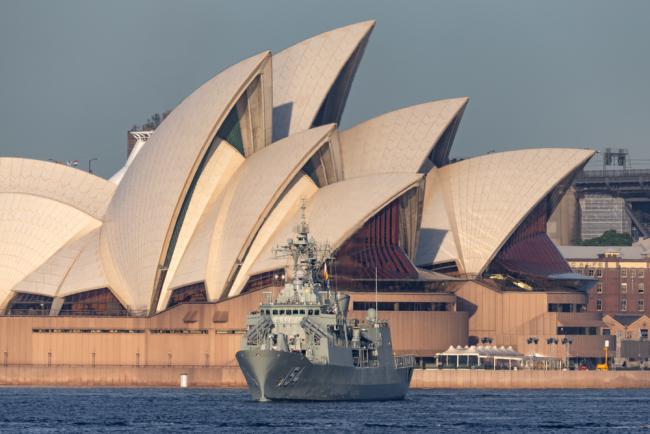
Confronted with a strained strategic environment and a relative decline of its resource base, Australia is currently going through a historical shift of its global status.
La compétition stratégique en Afrique : approches militaires américaine, chinoise et russe
While it was left behind from power politics for the last decades, Africa is at the core of a renewed attention from global powers.
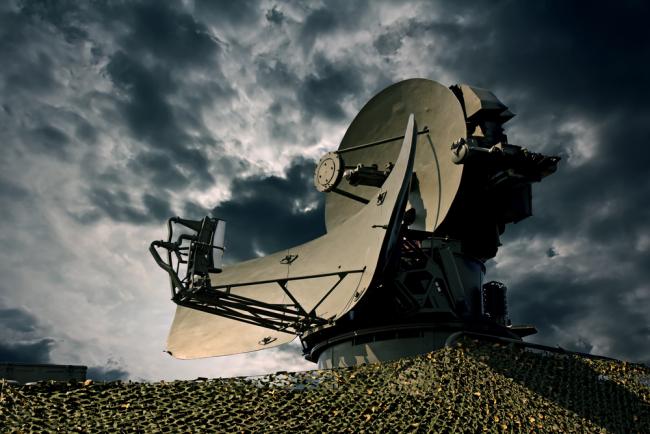
Regards croisés sur la guerre électronique
Information dominance through the exploitation of the electromagnetic spectrum has become a cornerstone of military superiority. However, it is now threatened by increasingly advanced electronic warfare capabilities.
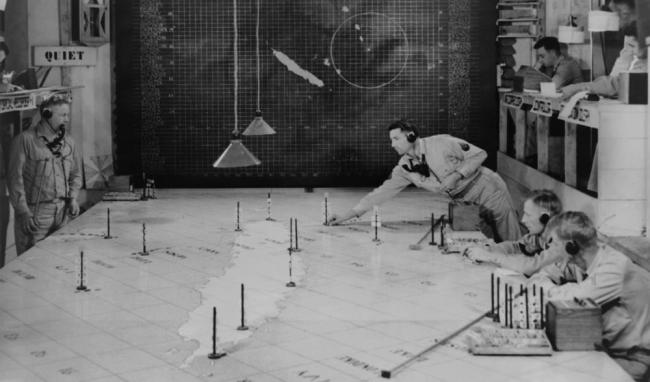
La fourmilière du général : le commandement opérationnel face aux enjeux de haute intensité
Operational command structures have always been able to adapt to the strategic context. However, they now face a new challenge: high intensity threats.
The Yemeni War: Year Five
The war in Yemen has entered its fifth year, and the situation is more complex than ever.
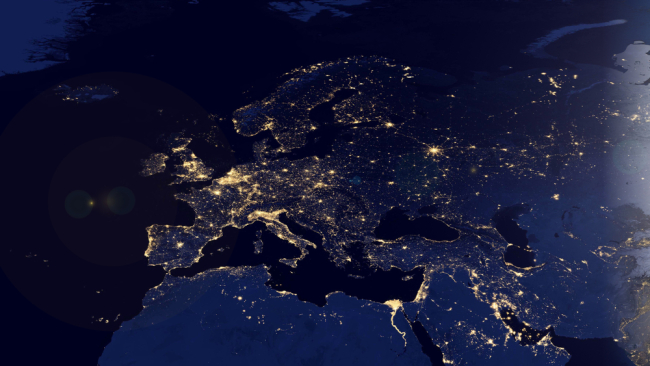
Assessing Europe's Space Dependency and Its Implications
It is a classic exercise to imagine what today’s world would be like if all satellites were shut down. The exact consequences of such a scenario, which is not unlikely given the inherent vulnerability of space systems to natural, accidental and deliberate interferences, are however difficult to appreciate, even for specialists.
Between Concentration and Dispersion: A Promising Future for Power Relations
The notion of power has long been a topic of study in international relations. In the coming decade, the evolution of power will be characterized by the dynamics of concentration and dispersion. On the one hand, the global system will be marked by the clash of two superpowers, the United States and China. On the other hand, capacity for individual action will proliferate through information and communication technologies.
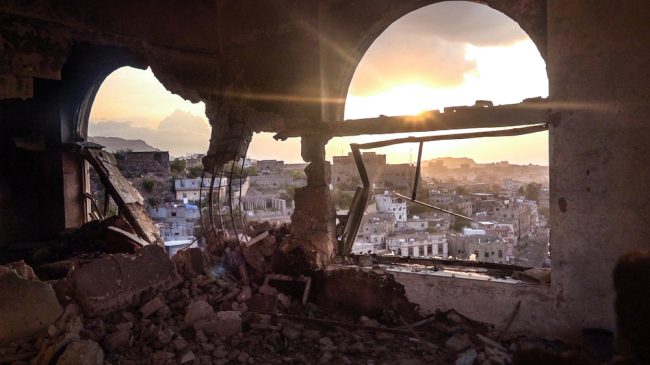
The Future of Urban Warfare in the Age of Megacities
Urbanization is a relentless trend, and as cities grow and expand, armed conflict and violence are urbanizing as well.
Wars in the Next Decade
Forecasting in areas of strategy is particularly delicate as predictions may impact the course of events. While several major trends in the evolution of conflicts during the next decade can be identified, precise forecasts are impossible. Yet one thing is certain: in the next 10 years, decision-makers face unknown risks of significant consequence.
Japan's New Dual-Use Space Policy: The Long Road to the 21st Century
Japan’s latest space policy is designed to support a more proactive US-Japan alliance role in containing China, and robustly defend Japan against North Korean ballistic missile threats.
The Future Middle East Strategic Balance. Conventional and Unconventional Sources of Instability
This paper seeks to analyze the future Middle Eastern military balance of power, in a time horizon of five to ten years.
War and Democratic Decision Making: How do Democracies Argue and Decide Whether or Not to Intervene in Distant Wars?
What is the proper place and forum for decisions about war and peace in a democracy? There is surprisingly little consensus on this matter, not in theory and not in practice. While in Iraq, Libya and Syria, all Western actions have ended in failure, it seems necessary to analyze the place and importance of this aspect of the democratic decision making.
La Sentinelle égarée ? L’armée de Terre face au terrorisme
The 2015 terror attacks in France and the ensuing activation by the Ministry of Defense of its homeland protection plan opened a new phase in the long history of the French Army’s involvement in internal security.

The Return of Geopolitical Risk - Russia, China and the United States
The year 2014 was defined by the conflict in Ukraine, the emergence of Daesh, and tensions between China and Japan. As for 2015, it has witnessed the spread of Daesh, the conflict in Yemen, the Greek crisis, revelations about the activity of the National Security Agency (NSA), the migrant crisis, and a ramping-up of terrorist attacks.
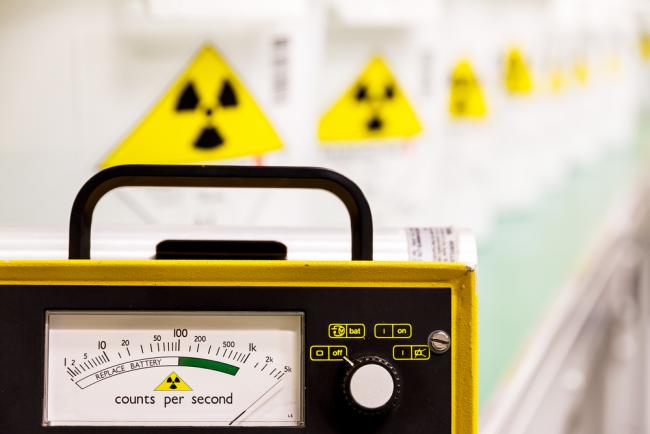
The Challenges of Maintaining Nuclear Cultures : US and UK perspectives
After the world entered the nuclear age, civilian and military organizations have witnessed the slow emergence of nuclear cultures, defined as the set of values and knowledge, shared among the national security community, about the relative importance of nuclear weapons in the country’s defense posture, the distinctive features of nuclear weapons in terms of security, safety and operational requirements, and the workings of deterrence.
Hybrid Warfare in the Strategic Spectrum: an Historical Assessment
"Hybrid Warfare" is a fashionable concept, but in order fo it to be really relevant, it has to be visualized within the whole strategic spectrum.
War’s Indirection or the Return of the Limited War
Over the last few years both the United States and Russia seem to have changed their conception of how to deploy force.
Cross-Domain Coercion: The Current Russian Art of Strategy
This paper traces the evolution of Russian views on the art of coercion, and on the role of nuclear weapons in it, from the post-Cold War “regional nuclear deterrence” thinking to the current “Gerasimov Doctrine”.
Activists Without Borders
Various associations organise trips to Israel and/or to the Palestinian Territories. Someone who has no previous knowledge of the Near East and who takes part in a journey organised by a pro-Israeli group, would return to France with a very different vision of the Israeli-Palestinian conflict to that of someone who had travelled with a pro-Palestinian group.
For more information concerning the complete work, please click on this link.
Ifri, a foundation recognized as being of public utility, relies largely on private donors – companies and individuals – to guarantee its sustainability and intellectual independence. Through their funding, donors help maintain the Institute's position among the world's leading think tanks. By benefiting from an internationally recognized network and expertise, donors refine their understanding of geopolitical risk and its consequences on global politics and the economy. In 2026, Ifri partners with over 90 French and international companies and organizations.

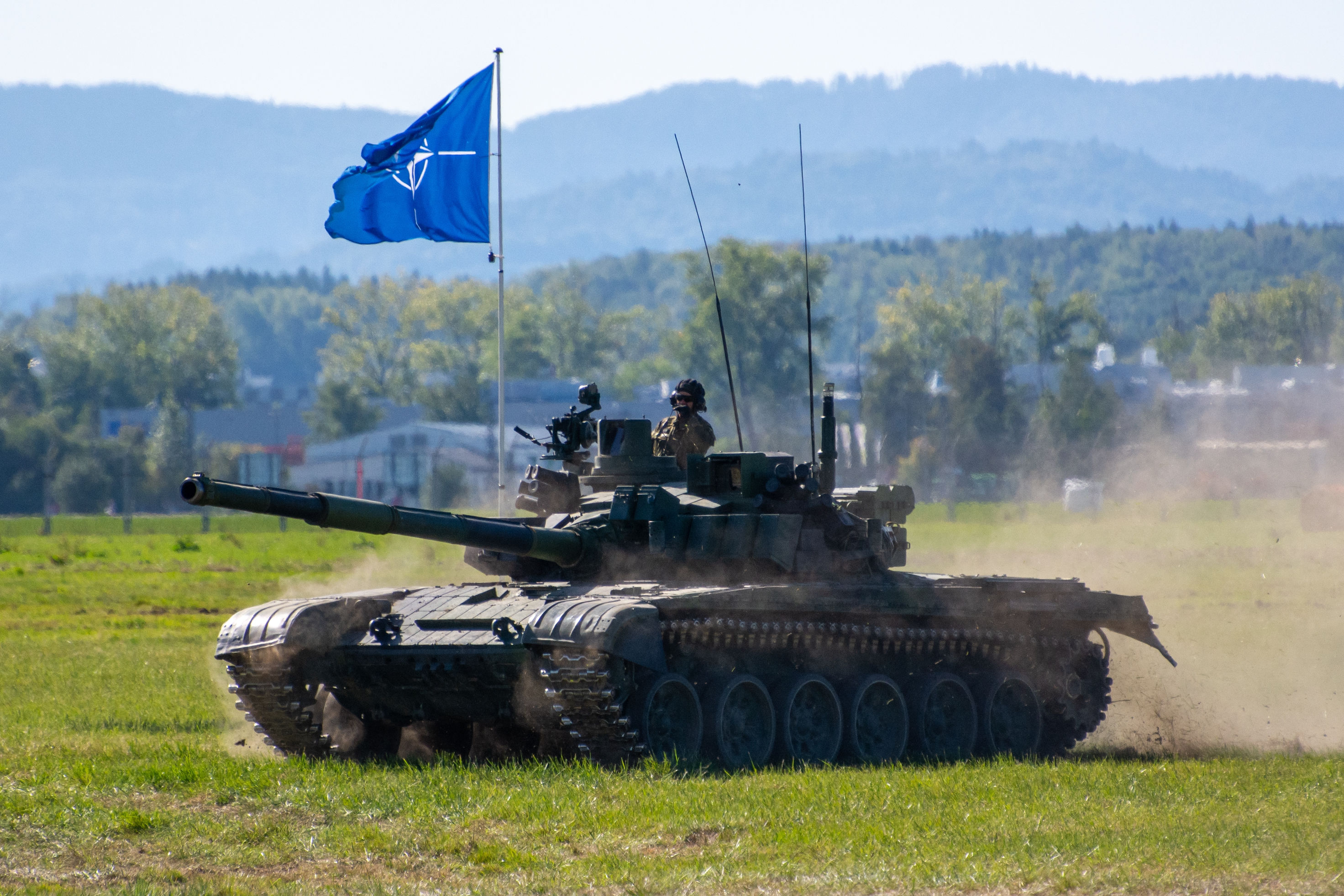
The European & Transatlantic Security Program aims to contribute to the strategic debate by developing analyses around three main axes: European defense and the security architecture of the European continent, institutional and strategic links between the Treaty Organization of North Atlantic (NATO) and the European Union (EU), as well as the evolution of the transatlantic relationship.
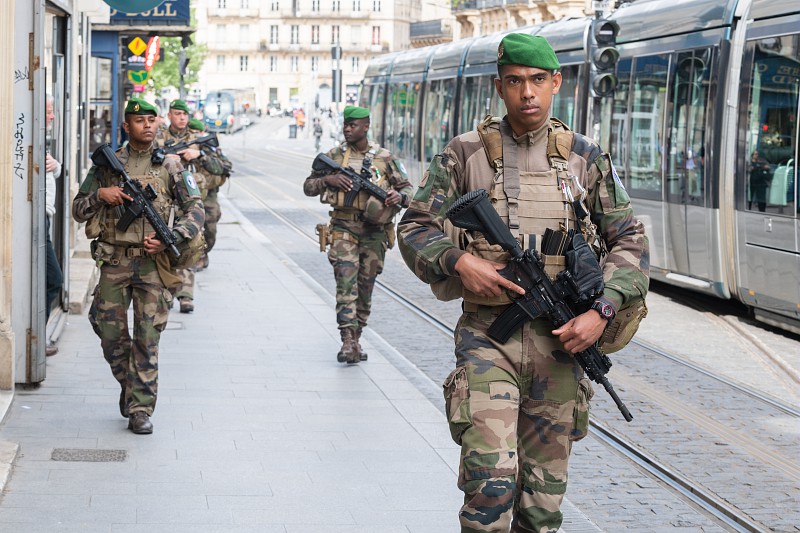
The distinction between internal and external threats is often exaggerated, as the borders are so porous. Conflicts taking place thousands of kilometers from France can have tragic resonances on national territory. Radicalization, terrorism and even organized crime have an international dimension that cannot be ignored.
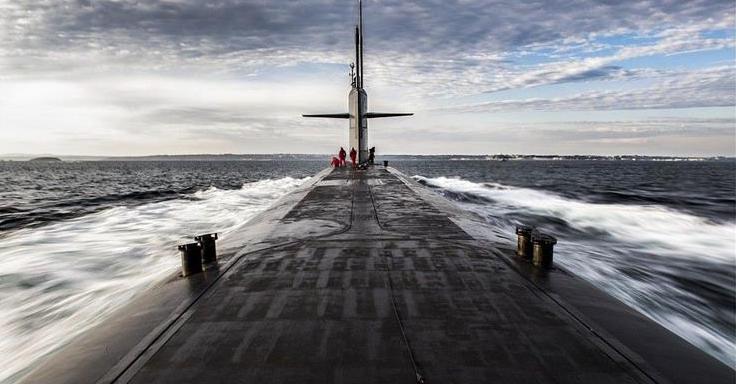
The conflicts in Europe, Asia and the Middle East demonstrate a return of nuclear power to the balance of power. Arsenals are being modernized and expanded, while arms control is collapsing. This research program aims to analyze these phenomena.
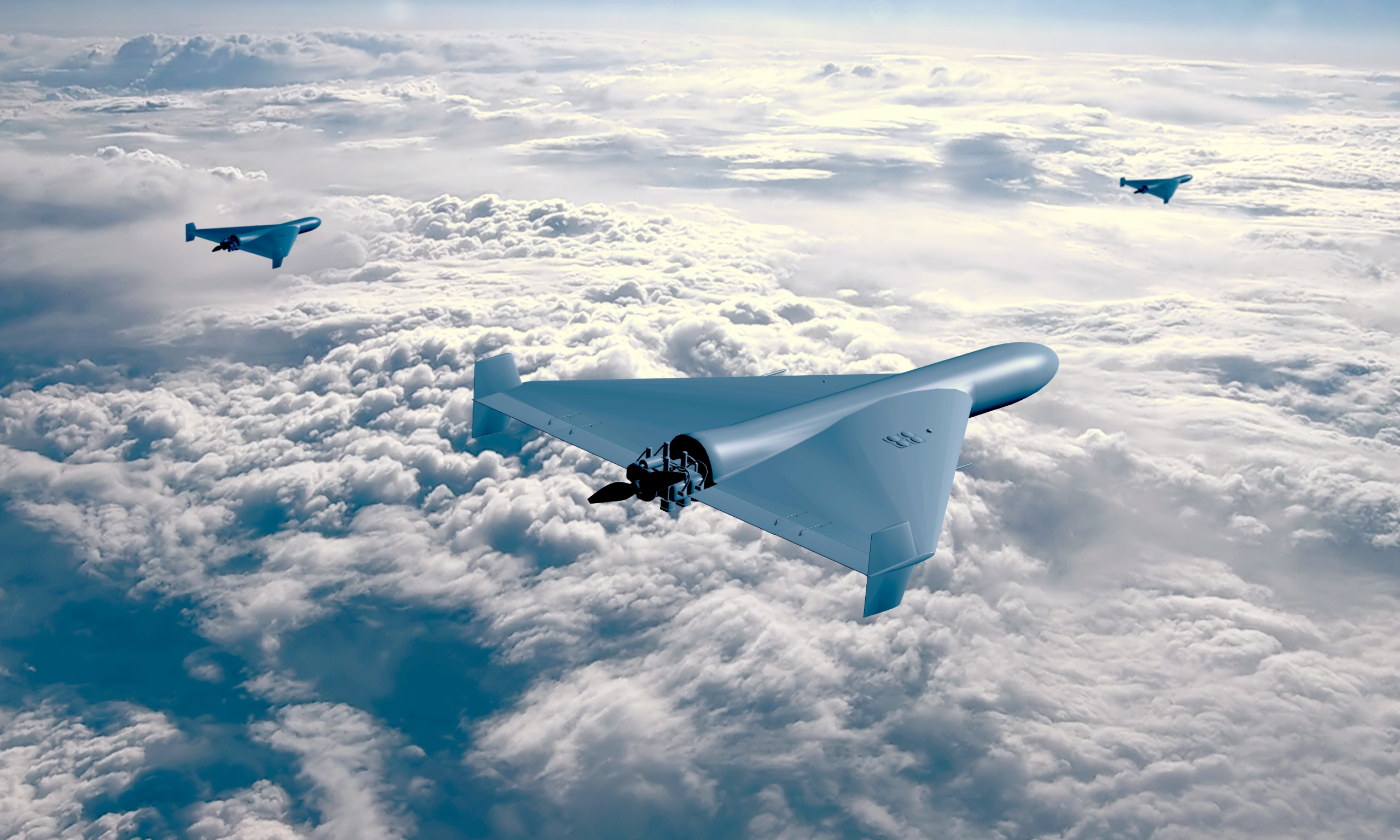
The Observatory of Future Conflicts is a research program carried out by the French Institute of International Relations and the Foundation for Strategic Research on behalf of the three army headquarters aimed at studying developments in tensions and armaments at the horizon 2040 in a transversal perspective, taking into account the issues of each army.
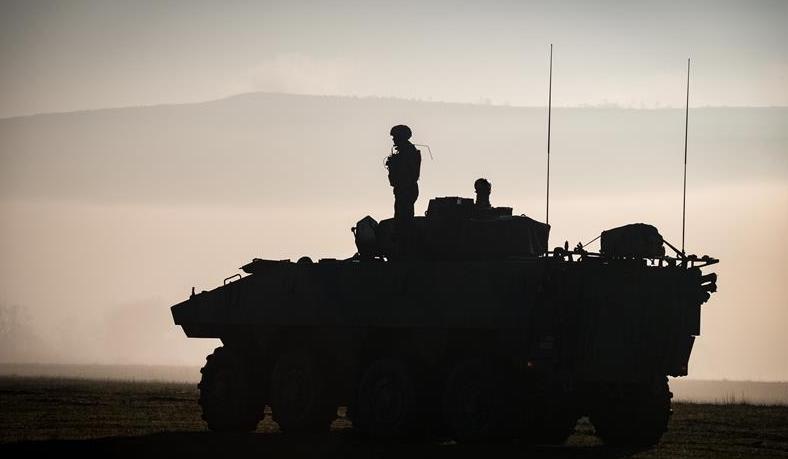
Heir to a tradition dating back to the founding of Ifri, the Security Studies Center provides public and private decision-makers as well as the general public with the keys to understanding power relations and contemporary modes of conflict as well as those to come. Through its positioning at the juncture of politics and operations, the credibility of its civil-military team and the wide distribution of its publications in French and English, the Center for Security Studies constitutes in the French landscape of think tanks a unique center of research and influence on the national and international defense debate.
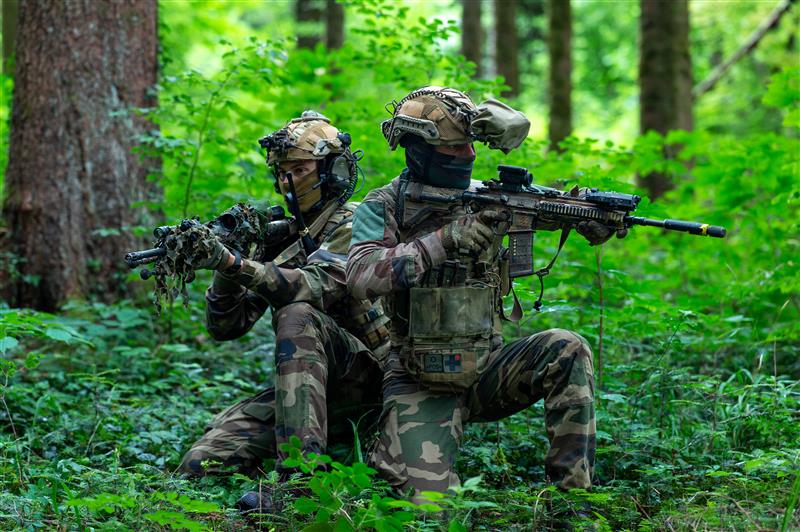
The Defense Research Unit is a program that aims at stimulating the strategic debate by dealing with subjects at the junction of the “technico-operational” and the “political-strategic”. A unique structure in France, it brings together civilian researchers and “military fellows” from each of the three armies to produce work on defense policies, the capability and strategic adaptation of armies, and foresight on tomorrow's conflicts.