

Military Stockpiles: A Life-Insurance Policy in a High-Intensity Conflict?
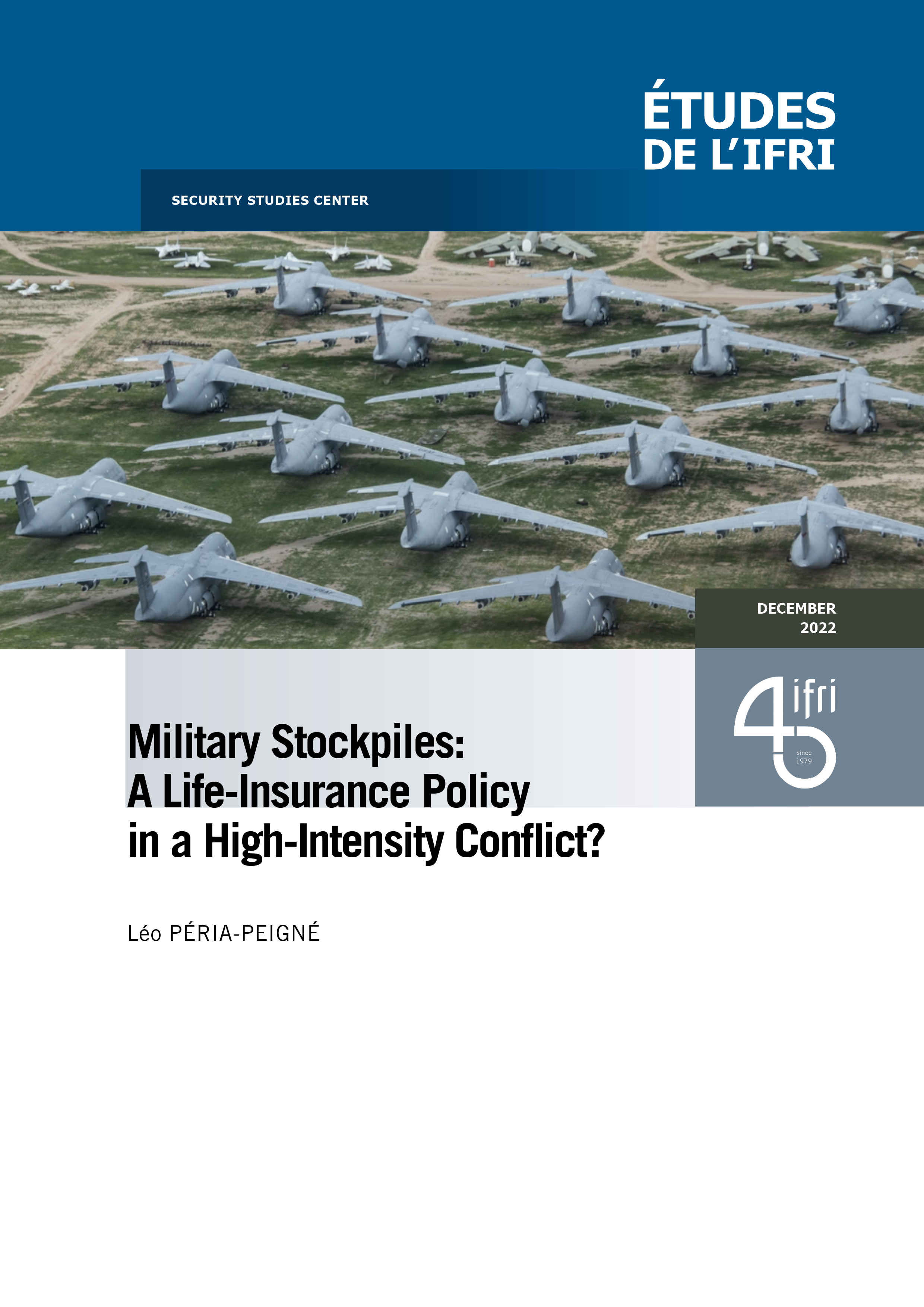
The war in Ukraine is a reminder of the place of attrition from high-intensity conflict in European armies that have been cut to the bone after three decades of budget cuts. All European forces have had to reduce their stocks to the bare minimum. As a result, support to Ukraine has meant a significant drain on their operational capabilities. A significant amount of decommissioned systems were also donated, due to the lack of depth in operational fleets.

Available in:
Themes and regions
ISBN / ISSN
Share
Download the full analysis
This page contains only a summary of our work. If you would like to have access to all the information from our research on the subject, you can download the full version in PDF format.
Military Stockpiles: A Life-Insurance Policy in a High-Intensity Conflict?



Related centers and programs
Discover our other research centers and programs
Security Studies Center
Heir to a tradition dating back to the founding of Ifri, the Security Studies Center provides public and private decision-makers as well as the general public with the keys to understanding power relations and contemporary modes of conflict as well as those to come. Through its positioning at the juncture of politics and operations, the credibility of its civil-military team and the wide distribution of its publications in French and English, the Center for Security Studies constitutes in the French landscape of think tanks a unique center of research and influence on the national and international defense debate.
Observatory on Future Conflicts
The Observatory of Future Conflicts is a research program carried out by the French Institute of International Relations and the Foundation for Strategic Research on behalf of the three army headquarters aimed at studying developments in tensions and armaments at the horizon 2040 in a transversal perspective, taking into account the issues of each army.
Find out more
Discover all our analyses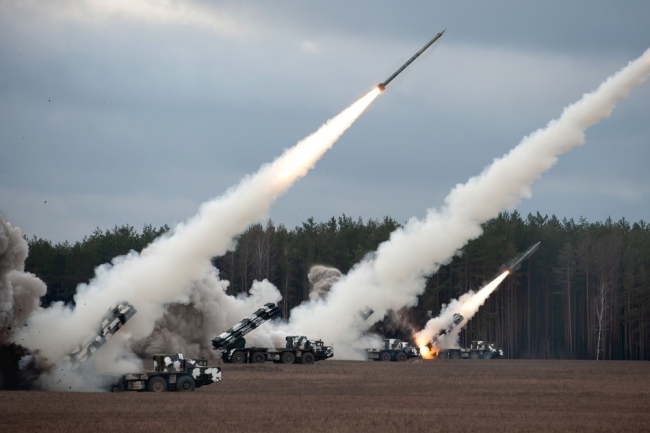
Multiple Launch Rocket Systems Europe’s Long-standing and Enduring Dependence?
The war in Ukraine has underlined the importance of multiple launch rocket systems (MLRS) in modern conflict, especially a war without clear air superiority and hence a reduced potential for air-launched deep strike. In 2022, the European MLRS fleet was split between a variety of Western platforms developed at the end of the Cold War and specialized in precision strikes.
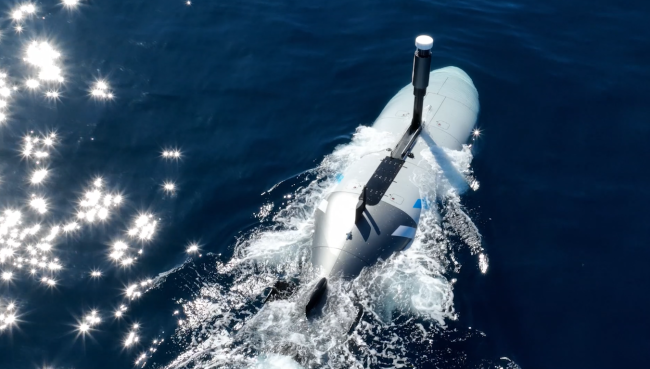
Autonomous Systems in the Underwater Domain: A Limitless Revolution?
One of the decisive strategic factors in the ongoing Russo-Ukrainian war is the mass use of aerial, maritime, and terrestrial autonomous capabilities, which are transforming the face of the battlefield. Nevertheless, many of these drones are still remotely piloted, operated, or supervised, testifying to the fact that the autonomization of military capabilities is still at an embryonic stage.
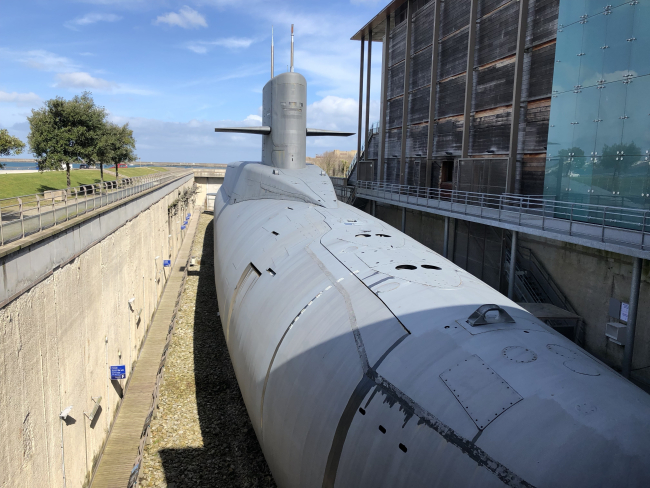
France has a new nuclear doctrine of ‘forward deterrence’ for Europe. What does it mean?
On Monday, French President Emmanuel Macron delivered a speech on France’s nuclear deterrence at the Île Longue naval base near Brest in Brittany, which hosts the country’s nuclear-armed ballistic missile submarines. Such addresses are a well-established presidential ritual, typically delivered once per presidential term and receiving moderate attention. This one, however, was highly anticipated in France and abroad, given the profound geopolitical shifts since Macron’s first nuclear speech in February 2020.
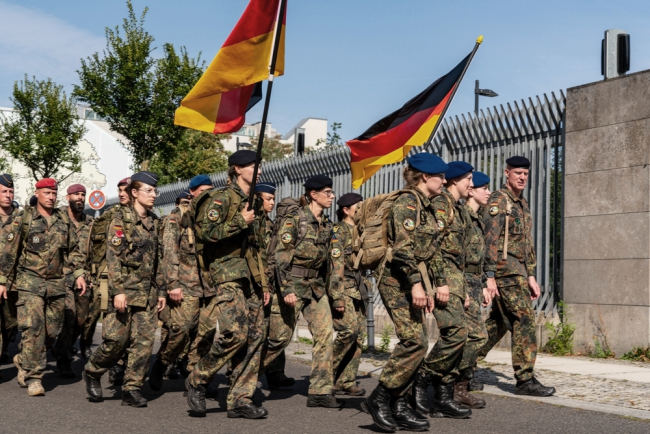
Bundeswehr: From Zeitenwende (historic turning point) to Epochenbruch (epochal shift)
The Zeitenwende (historic turning point) announced by Olaf Scholz on February 27, 2022, is shifting into high gear. Financially supported by the March 2025 reform of Germany’s “debt break” and backed by a broad political and societal consensus to strengthen and modernize the Bundeswehr, Germany's military capabilities are set to rapidly increase over the coming years. Expected to assume a central role in the defense of the European continent in the context of changing transatlantic relations, Berlin’s military-political position on the continent is being radically transformed.