


Practical information
Accessibility
Themes and regions
Related centers and programs
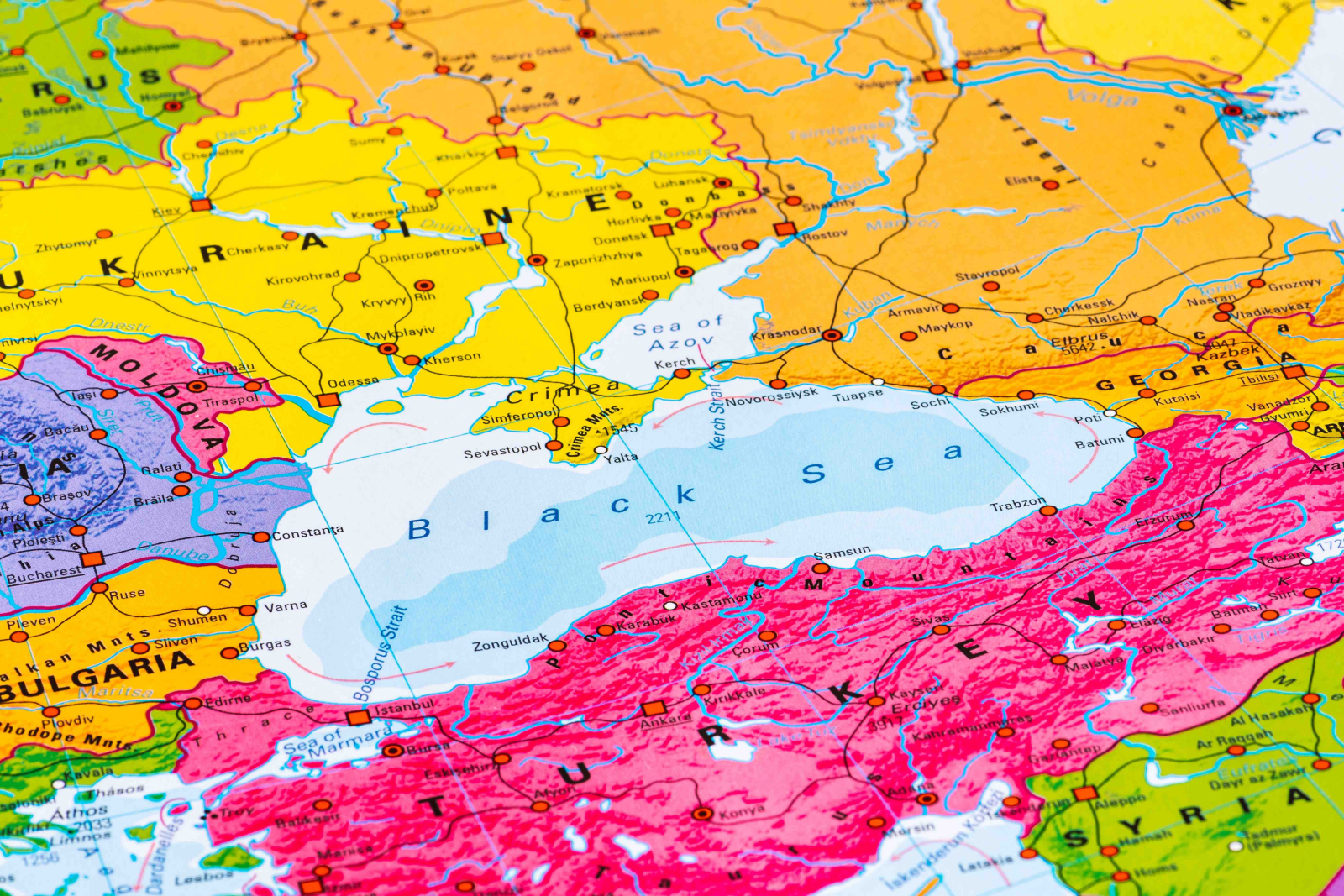
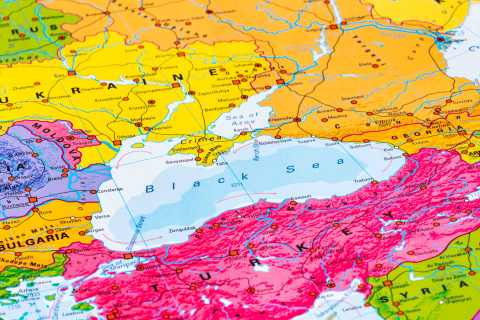
European security has been challenged in 2022 with the full-fledged invasion of Ukraine by the Russian Federation.
Three years onwards, the future of European security remains uncertain in this part of the continent. Ukraine is still at war and the regional security on the shores of the Black Sea has hit a new low. Also, election results in several EU member states are reshaping the EU’s political landscape and the new Trump administration in the US has signalled that the rule-based multilateral order as we knew it may now be a relic of the past. Affirming European security, against this backdrop, is crucial for the EU retain its relevance as international actor and its capacity to set the course of its own strategic development.
Participation upon registration only by mail to [email protected] (limited number of seats).
Programme
18:30 Welcome
Ioana Bivolaru, Ambassador of Romania in France
Adrienne Woltersdorf, Head of the Paris office of the Friedrich Ebert Stiftung
18:45 Keynote
Ana Tinca, State Secretary for Strategic Affairs at the Romanian Ministry of Foreign Affairs, Bucharest
18:55 Discussion
Oana Lungescu, former NATO spokesperson and Distinguished Fellow at the Royal United Services Institute (RUSI), London
Hennadiy Maksak, Executive Director of the Foreign Policy Council “Ukrainian Prism”, Kyiv
Élie Tenenbaum, Head of the Security Studies Center at the French Institute of International Relations (Ifri), Paris
Moderation : Christos Katsioulis, Director of the Friedrich Ebert Stiftung Regional Office for Cooperation and Peace in Europe (FES ROCPE), Vienna
19:50 Takeaways
Gerhard Sailler, Deputy Director General for Political Affairs at the Austrian Federal Ministry for European and International Affairs, Vienna
20:00 Networking drinks and canapés
Contact
This conference is organised in the framework of the Pezinok Group on Strategic Autonomy, by the Austro-French Centre for Rapprochement in Europe, the French Institute of International Relations, the Foreign Policy Council “Ukrainian Prism”, the Friedrich Ebert Stiftung Regional Office for Cooperation and Peace in Europe and Paris office of the Friedrich Ebert Stiftung as well as the Romanian and Austrian Embassies in Paris and Euro Créative.
Information: [email protected]
Our partners





Related Subjects
Other events
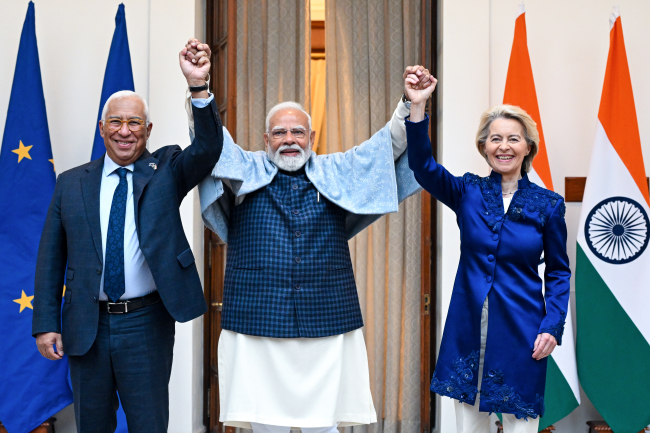
From Ambition to Action: Exploring Technological Partnerships with India
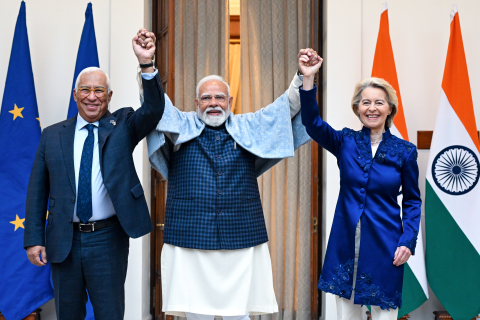
The 16th EU-India Summit, held on January 27th in New Delhi with European leaders António Costa, Ursula von der Leyen, and Prime Minister Narendra Modi, marks a significant milestone in deepening EU-India relations. At the same time, official bilateral visits from EU member states are on the rise, including that of the French President, who visited India in February to participate in the Artificial Intelligence Summit. As India asserts its technological ambitions and seeks to reduce its dependence on China, Europe is stepping up its efforts to diversify its strategic partnerships.
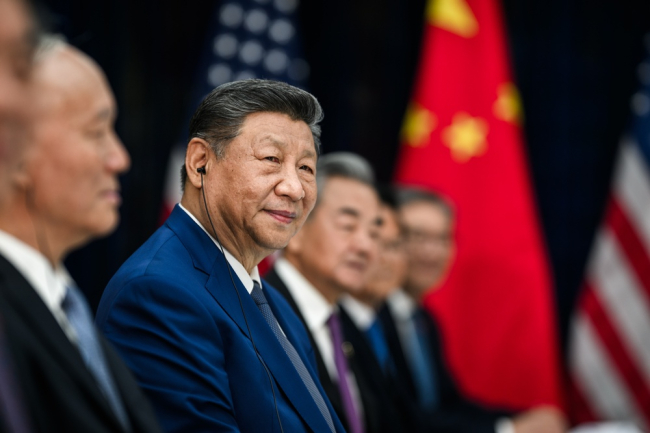
China’s New Five-Year Plan: Accelerated Electrification and Global Clean Tech Export Expansion?
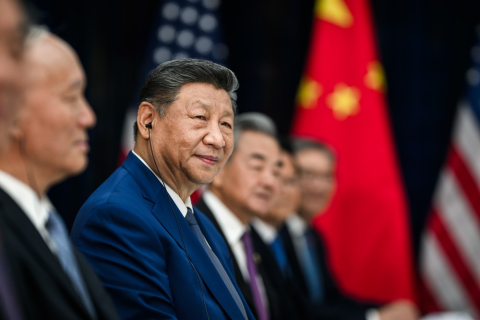
China's energy and clean tech sector developments are continuing to decisively impact the global energy system on the one hand, and to steer the country's economy towards rapid electrification on the other hand.
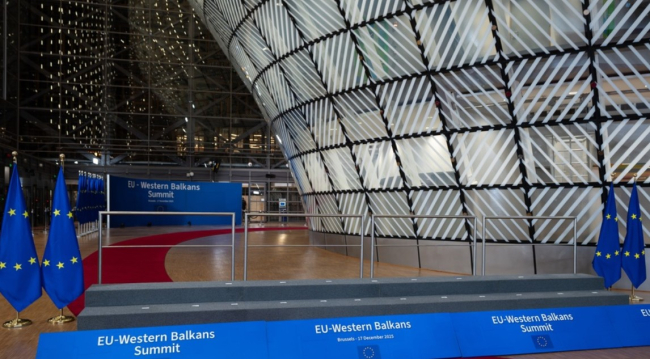
The Enlargement of the European Union: A Strategic Choice? France, the Western Balkans and the EU in an Uncertain Geopolitical Context
Russia’s war against Ukraine has brought the enlargement of the European Union back to the centre of European strategic debates. In this context, the Western Balkans have regained heightened visibility in discussions on the continent’s security, at a time when the international environment is marked by a growing number of destabilising factors.