



Practical information
By invitation only
As the Bonn negotiating session is about to start, international climate talks are entering the final straight towards COP21. The European Union positioned itself as a frontrunner in climate policy and it has recently confirmed its long-term commitment by defining its 2030 targets. This strong domestic climate action is a major strength that the EU can draw on to take a leadership role in the process of reaching a global binding agreement. Hosting the conference, France has a particular responsibility and is determined to facilitate the discussions and identify common grounds between the various parties.
This event, co-organised by Ifri, SWP and PISM, will attempt to identify the decisive steps for the European climate diplomacy in the run-up to COP21, with a particular focus on the role that France, Germany, Poland and the European institutions can play. The discussion will also revolve around the convergence between EU’s position and those of the other parties to the negotiations. The ultimate goal is to share analyses on the potential outcomes of COP21 and define the impact it may have on the EU.
Programme
11:15 - 12.45 : What goals and what means for COP21? Sherpa’s views
Karsten Sach, Deputy Head of Department, Ministry of Ecology, Germany (tbc)
Katarzyna Snyder, Head of Negotiations Team, Ministry of the Environment, Poland
Paul Watkinson, Head of climate negotiation team, Ministry of Foreign Affairs, France
Moderator: Cécile Maisonneuve, Special Advisor, French Institute for International Relations (Ifri)
12:45 - 14:00 : Lunch
14:00-15:30 : What goals and what means for COP21? Expert views
Oliver Geden, Head of EU Research Division, Stiftung Wissenschaft und Politik
Carole Mathieu, Research Fellow, French Institute for International Affairs
Marek Wąsiński, Analyst, Polish Institute of International Affairs
Moderator: Dušan Reljic, Director, Brussels Office, SWP
In partnership with:

Other events
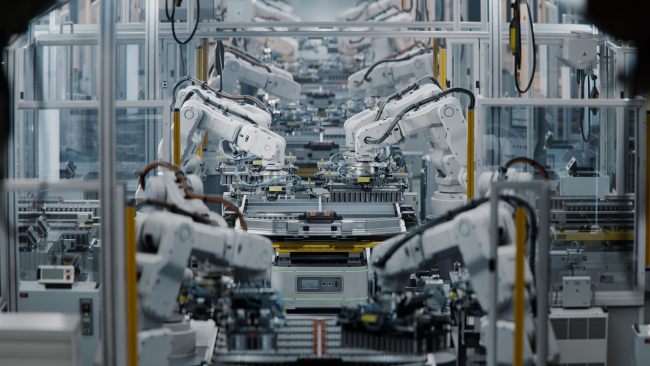
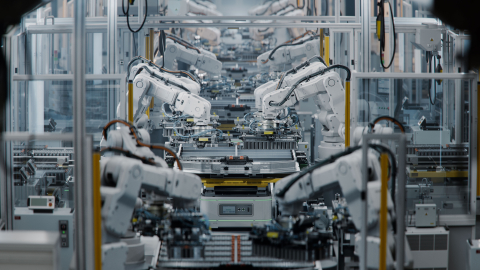
EV Supply Chains for Japan and Europe: Strengthening Economic Security
Economic security aims to ensure the resilience of supply chains for key industries: the case of electric vehicle production in Japan and Europe will be discussed.
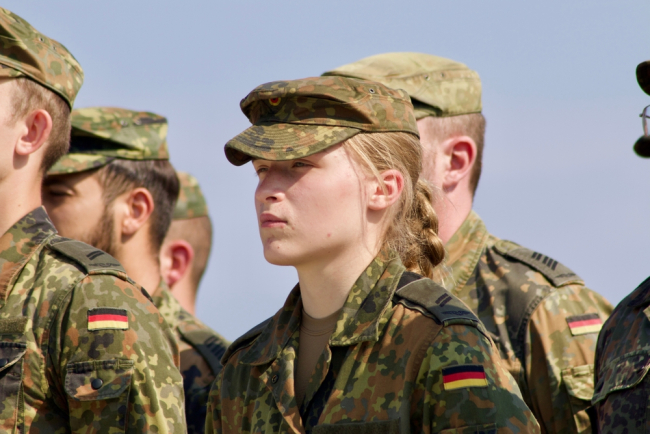
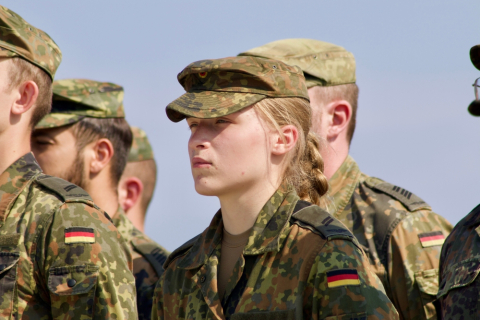
Which Defense Policy for Germany?
Faced with the war in Ukraine and geopolitical instability in Europe amid a turbulent transatlantic environment, Germany has embarked on a major shift in its defense policy, with a significant increase in military spending, the modernization of the Bundeswehr, and debate over a possible return to compulsory military service.
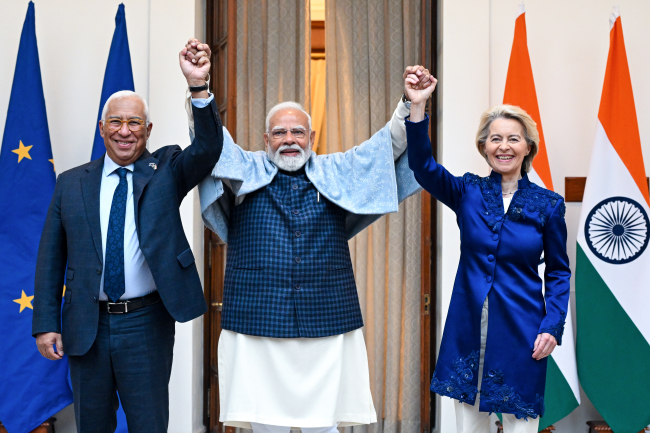
From Ambition to Action: Exploring Technological Partnerships with India
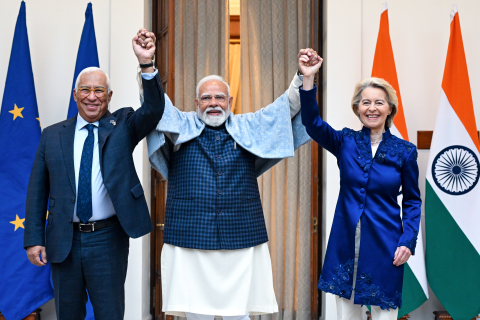
The 16th EU-India Summit, held on January 27th in New Delhi with European leaders António Costa, Ursula von der Leyen, and Prime Minister Narendra Modi, marks a significant milestone in deepening EU-India relations. At the same time, official bilateral visits from EU member states are on the rise, including that of the French President, who visited India in February to participate in the Artificial Intelligence Summit. As India asserts its technological ambitions and seeks to reduce its dependence on China, Europe is stepping up its efforts to diversify its strategic partnerships.