



Practical information
Mediterranean countries have to embrace the challenge of balancing the energy needs of their growing populations and economies, with energy security considerations and environmental sustainability commitments, in line with the recent Paris Agreement on climate.

Ifri’s Centre for Energy is hosting a joint roundtable with OME (Observatoire Mediterranéen de l’Énergie) based on OME’s flagship publication, Mediterranean Energy Perspectives 2018 (MEP 2018), which provides an in-depth analysis of the energy sector in the region, a comprehensive overview of its development from past to present, as well as an outlook to 2040 incorporating the latest Paris Agreement targets. The objective is to discuss latest trends in investments and policies, measure progress and challenges ahead in a critical region that represents 7% of the world’s population and experiences strong growth in population and energy demand.
Introduction by Marc-Antoine Eyl-Mazzega – Director, Ifri Centre for Energy
Presentation of the “MEP 2018” report by Houda Allal – General Director of OME, and Lisa Guarrera – Director for Monitoring and Modelling at OME
Discussant: Bruno Lescoeur – Former Edison CEO and Francis Ghilès – Senior Research Fellow, Mediterranean and Middle East, CIDOB Barcelona Centre for International Affairs
This seminar wil be held in French only.
To register, please click here.
Other events
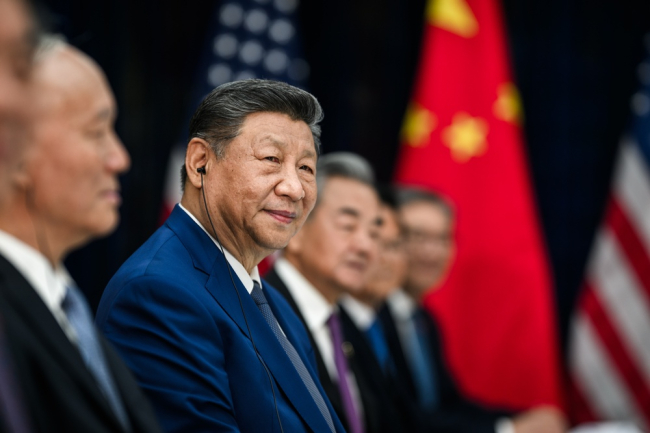
China’s New Five-Year Plan: Accelerated Electrification and Global Clean Tech Export Expansion?
China's energy and clean tech sector developments are continuing to decisively impact the global energy system on the one hand, and to steer the country's economy towards rapid electrification on the other hand.
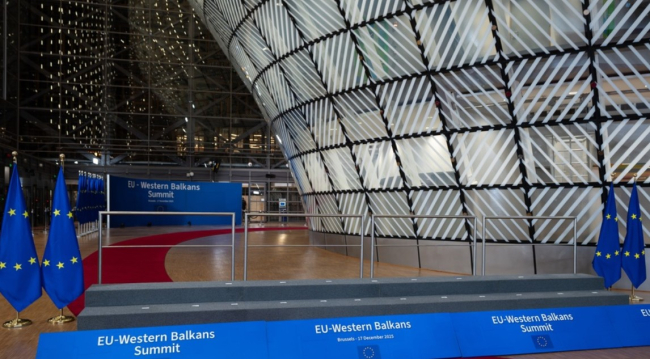
The Enlargement of the European Union: A Strategic Choice? France, the Western Balkans and the EU in an Uncertain Geopolitical Context
Russia’s war against Ukraine has brought the enlargement of the European Union back to the centre of European strategic debates. In this context, the Western Balkans have regained heightened visibility in discussions on the continent’s security, at a time when the international environment is marked by a growing number of destabilising factors.
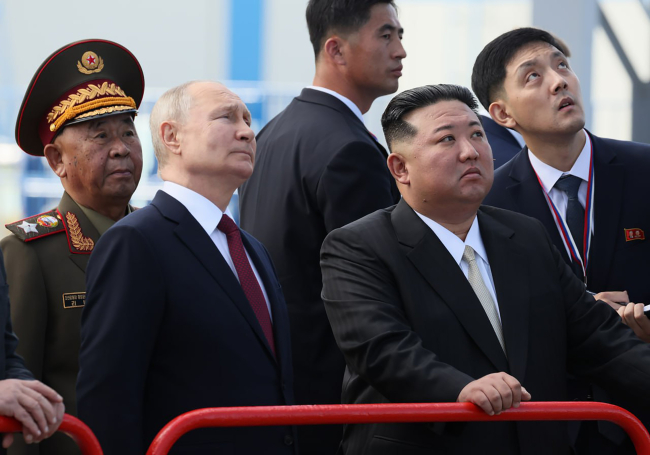
From Signal to Noise, Assessing Nuclear Threats in the Twenty-First Century
The resurgence of crises involving nuclear-armed states, accompanied by increasingly visible military signaling and forceful rhetoric, has renewed concerns about nuclear risk