



Geopolitics of Urban Infrastructure Financing in Sub-Saharan Africa

Practical information
Investment in infrastructure is promoted as a key tool for sustainable urban development. According to the African Development Bank, it would require between 130 and 170 billion dollars annually to meet infrastructure needs.

Various national and international stakeholders have responded to this call: bilateral development agencies, investment funds, private companies and consultancy firms have fed into different urban infrastructure sectors by using multiple financing tools.
This context represents a fertile ground for competition: the approaches of the continent's countries' "traditional" partners are challenged by the growing interest of emerging actors (China, Turkey, the Gulf States, etc.) and also by an increasing recourse to national financing. This event aims to update the debate on infrastructure financing in a context of strong urban growth while shedding light on the geopolitical stakes.
PROGRAM
Welcoming words: Alain Antil, director of the Sub-Saharan Africa Center, Ifri et Sina Schlimmer, coordinator of the program "Governing Africa's urban transitions" at the Sub-Saharan Africa Center, Ifri
Chair and moderation: Paulius Kulikauskas, chief of the UN-Habitat Office for European Institutions
Speakers:
-
Samuel Goldstein, Africa development director, Meridiam
-
Astrid Haas, urban economic analyst
-
James Christopher Mizes, post-doctoral research fellow, University Paris Nanterre, Institut francilien Recherche, Innovation, Société
-
Abou Ahmad Seck, member of the executive council of the Senegalese General Delegation of the Promotion of Urban Hubs
Find out more

Governing Cities in Africa. A Panorama of Challenges and Perspectives
By 2050, about 60% of the population of Sub-Saharan Africa will live in urban areas. The governance of the rapid growth of capital and intermediary cities in Africa is one of the priorities of the international development agenda.
Other events
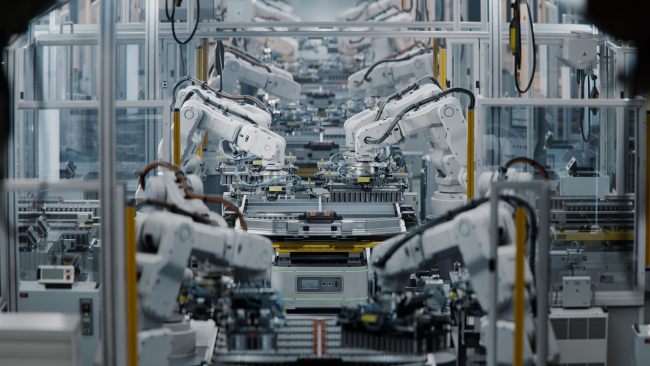
EV Supply Chains for Japan and Europe: Strengthening Economic Security
Economic security aims to ensure the resilience of supply chains for key industries: the case of electric vehicle production in Japan and Europe will be discussed.
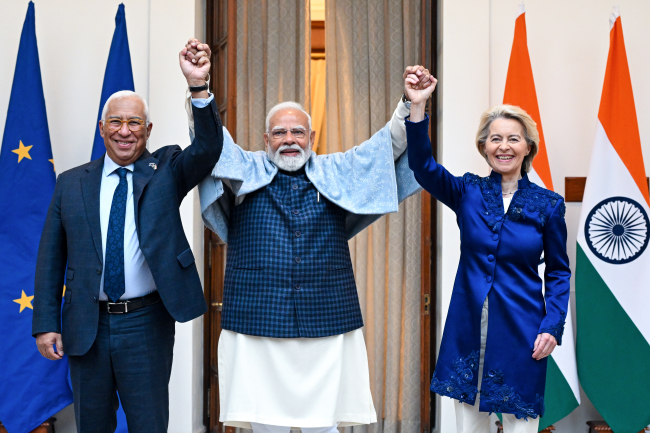
From Ambition to Action: Exploring Technological Partnerships with India
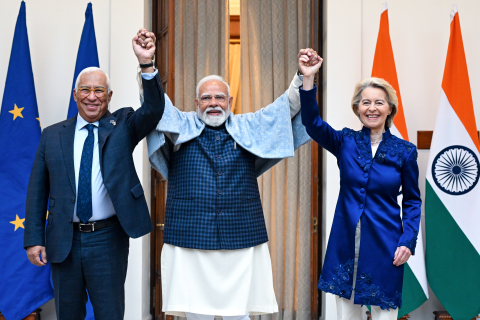
The 16th EU-India Summit, held on January 27th in New Delhi with European leaders António Costa, Ursula von der Leyen, and Prime Minister Narendra Modi, marks a significant milestone in deepening EU-India relations. At the same time, official bilateral visits from EU member states are on the rise, including that of the French President, who visited India in February to participate in the Artificial Intelligence Summit. As India asserts its technological ambitions and seeks to reduce its dependence on China, Europe is stepping up its efforts to diversify its strategic partnerships.