



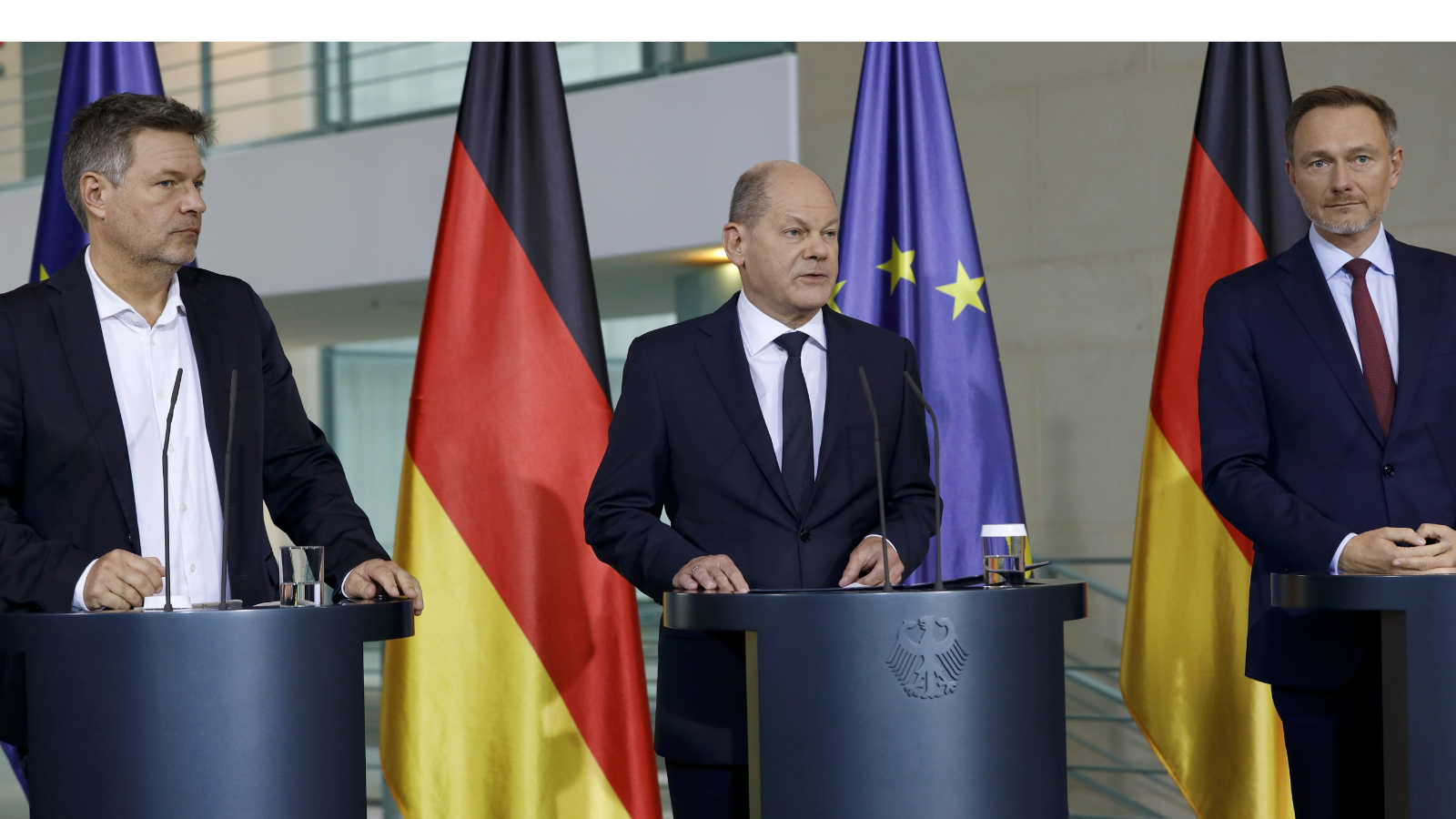
Germany’s Ampel coalition and the energy crises: any Zeitenwende or more of the same?

Practical information
Themes and regions
Related centers and programs
This is a private event.
Learn more about our corporate support packagesGermany managed to overcome the brutal energy decoupling from Russia, and the energy price crises, and greenhouse gas emissions are in decrease. Europe’s largest economy now needs to cope with the Constitutional court budget spending limitations, internal coalition struggles, competitiveness of its possibly eroding energy intensive industries, the rise of populism, the need to build out the electricity system with renewables, expanded grids and flexibility tools, the need to progress with sector coupling and develop the hydrogen economy, but also implement Fit for 55 and prepare for -90% emission by 2040.
Meanwhile, the global environmental can be expected to further deteriorate. These are key issues to be discussed during this webinar.
Agenda
11h00-11h10 Introduction words
Marc-Antoine Eyl-Mazzega Director, Center for Energy and Climate, Ifri
11:10-11:45 am: Perspectives on the road to European and Federal elections in 2025
Dr Bernd Weber, founder and managing director of EPICO KlimaInnovation
Jacques Ragot, Vice-President, Head of Public Affairs AMLO, Covestro Deutschland AG
11:45-12:30 am: Discussion with the participants
Find out more
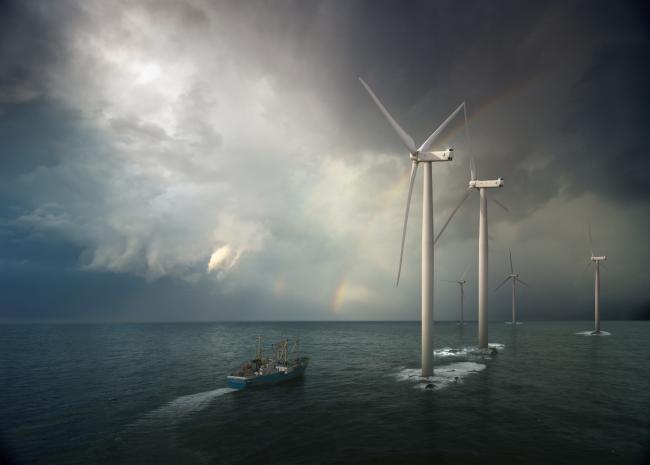
How Can the Green Deal Adapt to a Brutal World?
The European Green Deal has not been planned for the current extraordinarily deteriorated internal and external environment. Russia’s war in Ukraine, higher interest rates, inflation, strained public finances, weakened value chains, and lack of crucial skills pose unprecedented challenges.
Related Subjects
Other events
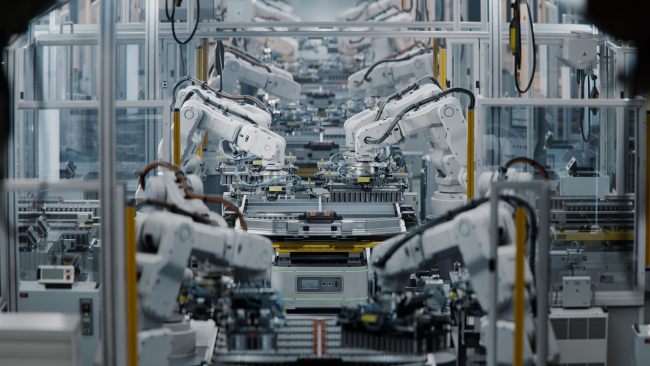
EV Supply Chains for Japan and Europe: Strengthening Economic Security
Economic security aims to ensure the resilience of supply chains for key industries: the case of electric vehicle production in Japan and Europe will be discussed.
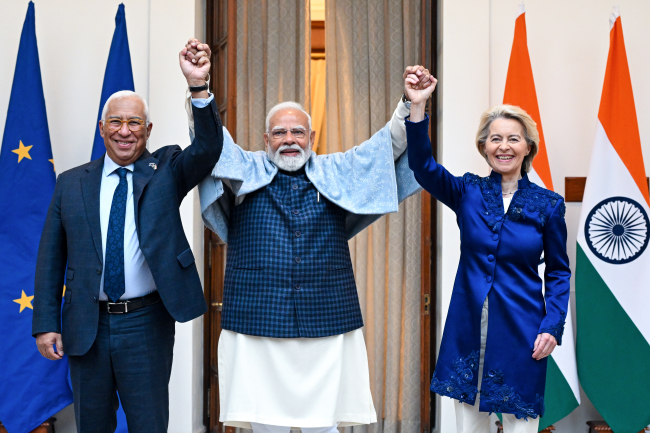
From Ambition to Action: Exploring Technological Partnerships with India
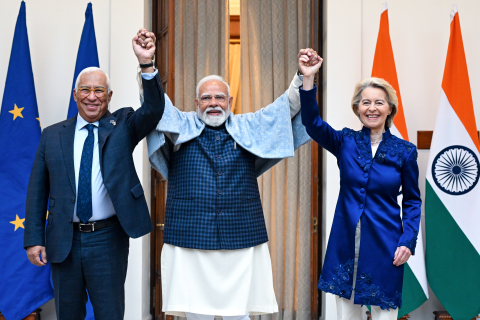
The 16th EU-India Summit, held on January 27th in New Delhi with European leaders António Costa, Ursula von der Leyen, and Prime Minister Narendra Modi, marks a significant milestone in deepening EU-India relations. At the same time, official bilateral visits from EU member states are on the rise, including that of the French President, who visited India in February to participate in the Artificial Intelligence Summit. As India asserts its technological ambitions and seeks to reduce its dependence on China, Europe is stepping up its efforts to diversify its strategic partnerships.