


La paix par la force. La modernisation de la défense sud-coréenne sous la présidence Moon Jae-in

South Korea's defense modernization plan, Defense Reform 2.0, represents a significant effort in terms of military capabilities since 2018. The outgoing president, Moon Jae-in, has placed particular emphasis on high-tech acquisition as well as transforming the Korean defense industrial and technological base into a major domestic and international supplier.

In addition, South Korea is proactive in its quest for strategic autonomy. In this regard, the naval and air components of its military are being diversified, notably by initiating the construction of an oceanic navy. Seoul is also seeking to develop its intelligence and detection capabilities through space-based capabilities to protect itself against any attack from the north of the peninsula.
It should be noted, however, that these developments do not come at the expense of South Korea's historic relationship with the United States. Indeed, even if it has become more discreet under the presidency of Donald Trump and doubts persist about the extent of the American nuclear umbrella, the military alliance between Washington and Seoul continues. At the same time, the Republic of Korea is trying not to get caught up in the Sino-American competition, as China remains an important trading partner.
Finally, the armed forces' reform undertaken under the Moon Jae-in presidency, intended to break with a military culture considered backward and to focus on technology in a context of demographic decline, has not been entirely successful.
This content is available in French: "La paix par la force. La modernisation de la défense sud-coréenne sous la présidence Moon Jae-in".

Available in:
Regions and themes
Share
Author(s)
Related centers and programs
Discover our other research centers and programs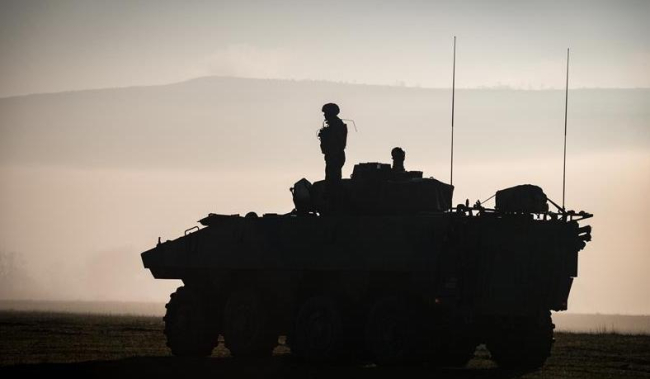
Security Studies Center
Heir to a tradition dating back to the founding of Ifri, the Security Studies Center provides public and private decision-makers as well as the general public with the keys to understanding power relations and contemporary modes of conflict as well as those to come. Through its positioning at the juncture of politics and operations, the credibility of its civil-military team and the wide distribution of its publications in French and English, the Center for Security Studies constitutes in the French landscape of think tanks a unique center of research and influence on the national and international defense debate.
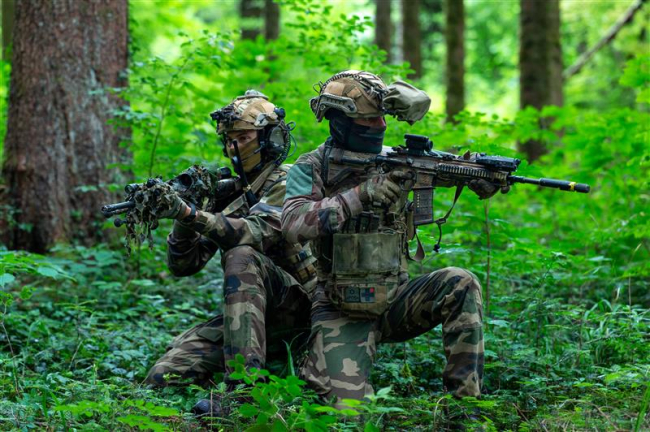
Defense Research Unit
The Defense Research Unit is a program that aims at stimulating the strategic debate by dealing with subjects at the junction of the “technico-operational” and the “political-strategic”. A unique structure in France, it brings together civilian researchers and “military fellows” from each of the three armies to produce work on defense policies, the capability and strategic adaptation of armies, and foresight on tomorrow's conflicts.
Find out more
Discover all our analyses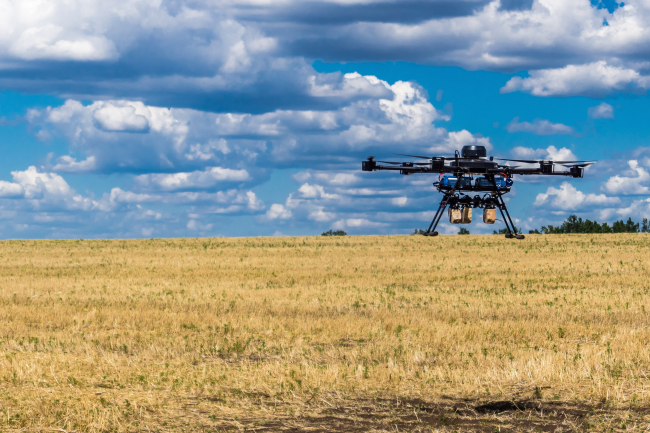
Mapping the MilTech War: Eight Lessons from Ukraine’s Battlefield
This report maps out the evolution of key technologies that have emerged or developed in the last 4 years of the war in Ukraine. Its goal is to derive the lessons the North Atlantic Treaty Organization (NATO) could learn to strengthen its defensive capabilities and prepare for modern war, which is large-scale and conventional in nature.
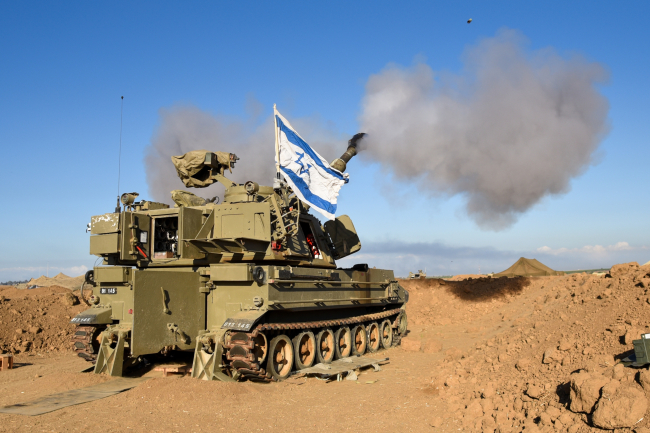
"Iron Swords" A Military Analysis of Israel's War in Gaza
On October 7, 2023, Hamas' attack, dubbed “Al-Aqsa Flood,” caused a major shock and led Israel to launch the longest war in its history. Operation “Iron Swords” was notable for its unprecedented intensity, both in terms of the massive ground forces deployed and the firepower used.
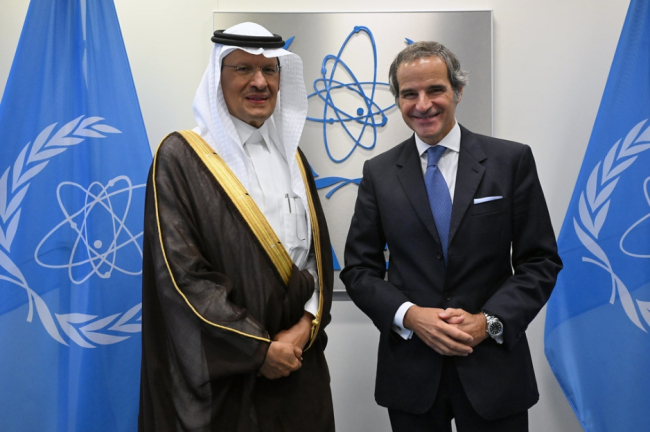
Saudi Arabia’s Nuclear Temptations. Lessons Learned from Regional Instability
Saudi Arabia’s integration in the international arena and regional stability, notably through reducing its dependence on fossil energies, are crucial elements for the success of the Kingdom’s Vision 2030, the Crown Prince’s top priority. However, Mohammed bin Salman’s declarations in 2018 and 2021, indicating that “if Iran develops a nuclear bomb, we will follow suit as soon as possible”, combined with the recent strikes on key Iranian nuclear facilities, do not bode well for the future of the Kingdom, the region and the non-proliferation regime at large.
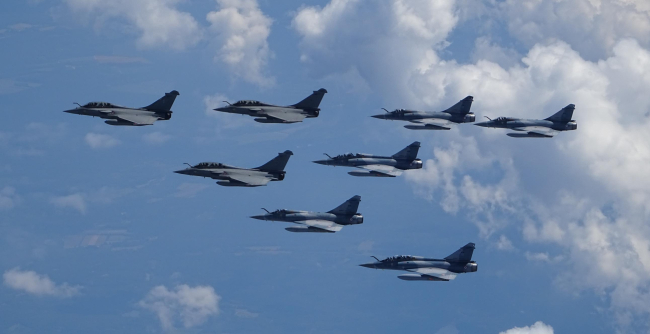
The Future of Air Superiority. Command of the Air in High Intensity Warfare
Air superiority, understood as control of the air, is a cornerstone of the Western art of warfare. It is a decisive condition, albeit not sufficient by itself, to achieve military victory, as it enables the concentration of air power toward the achievement of wider strategic objectives and protects other components from unbearable attrition levels. It is best achieved through the offensive use of air power in a joint effort to neutralize the enemy’s air power.