


Russia’s Domestic Evolution: What Impact on its Foreign Policy?
Throughout the Ukraine crisis, the West has been surprised at the brutality of Russia's reaction. It has also been surprised by the broad support for Vladimir Putin's policy among the country’s elites and the population at large (88% of whom back the policy), despite the impact of sanctions and countermeasures that are contributing to the deterioration of the country's economy. This level of support cannot be attributed solely to Russia's propaganda machine, though it has been exerting unprecedented influence since early 2014.
Russia is using its discourse on the West's behavior as a tool with which to justify the tightening of its foreign policy. While this is undoubtedly a factor, it conceals three profound changes in Russia and in the nature of its political regime that have led to a tougher policy: an extreme concentration of power at the highest level, a failure to diversify the economy and modernize post-Soviet Russia, and the destabilization of society.
Download the full analysis
This page contains only a summary of our work. If you would like to have access to all the information from our research on the subject, you can download the full version in PDF format.
Russia’s Domestic Evolution: What Impact on its Foreign Policy?


Author(s)
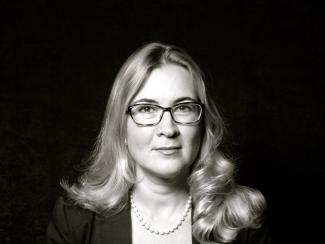
Tatiana KASTOUÉVA-JEAN
Director of the Russia/Eurasia Center, Ifri
Related centers and programs
Discover our other research centers and programs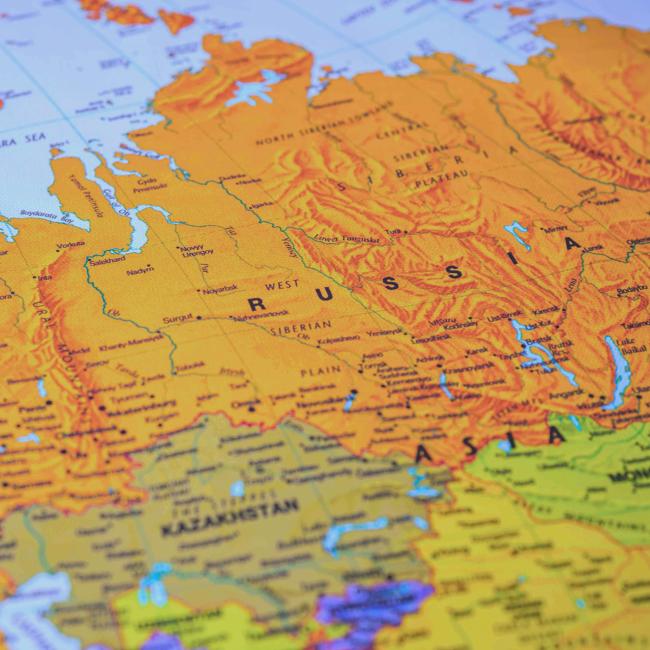
Russia/Eurasia Center
Founded in 2005 within Ifri, the Russia/Eurasia Center conducts research and organizes debates on Russia, Eastern Europe, Central Asia, and the South Caucasus. Its goal is to understand and anticipate the evolution of this complex and rapidly changing geographical area in order to enrich public discourse in France and Europe and to assist in strategic, political, and economic decision-making.
Find out more
Discover all our analyses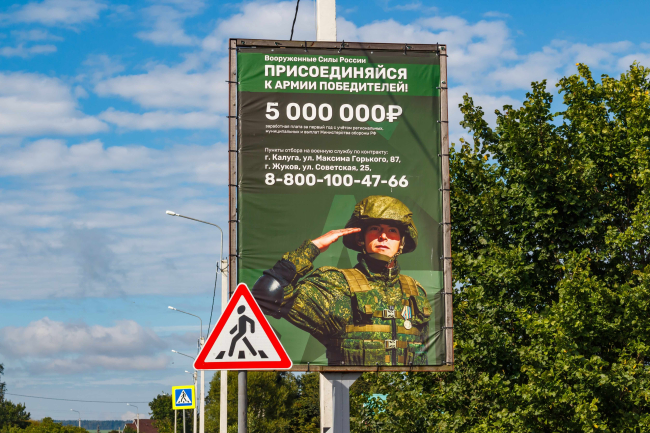
Deathonomics: The Social, Political, and Economic Costs of War in Russia
The report attempts to outline and examine a truly new phenomenon in Russian society, dubbed “deathonomics”—the making of a mercenary army against the backdrop of the Kremlin’s war in Ukraine, eventually replacing both the Soviet (conscript) and early new Russian (contract) armies. It notes that, by the end of 2023, this trend had turned the military service into one of the highest-paying professions in the country, something not seen in Russia on such a scale since the late 17th century.

Russia's Asia Strategy: Bolstering the Eagle's Eastern Wing
Among Russia’s strategic priorities, Asia traditionally played a secondary role compared to the West. In the mid-1990s, then Foreign Minister Yevgeny Primakov initiated a rapprochement with China and India. Then, in 2014, deteriorating relations between Russia and the West prompted Moscow to begin its “great pivot to the East”.
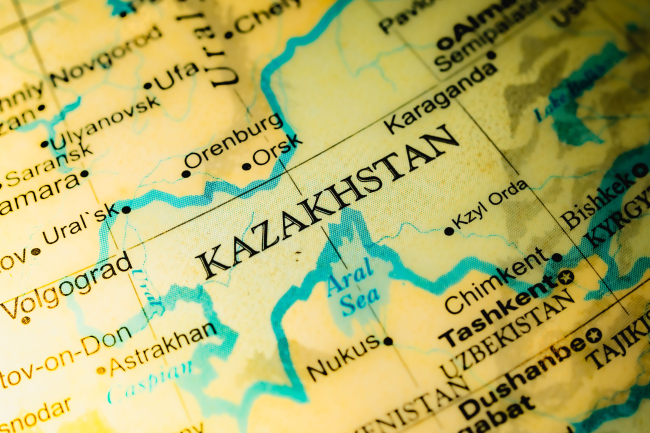
Kazakhstan After the Double Shock of 2022: Political, Economic and Military Consequences
The year 2022 represented a dual shock for Kazakhstan. In January, the country faced its most severe political crisis since independence, followed in February by Russia’s full-scale invasion of Ukraine, which cast uncertainty over the borders of post-Soviet states. These consecutive crises profoundly shaped Kazakhstan’s domestic and foreign policy.
How the Russian Army Changed its Concept of War, 1993-2022
The traditional and high-intensity war that has occurred in Ukraine since Russia decided to invade raises a key issue: did post-soviet Russian strategic thought really prepare Russia for waging this war?