





Turkey-China Relations: Ambitions and Limits of the Economic Cooperation
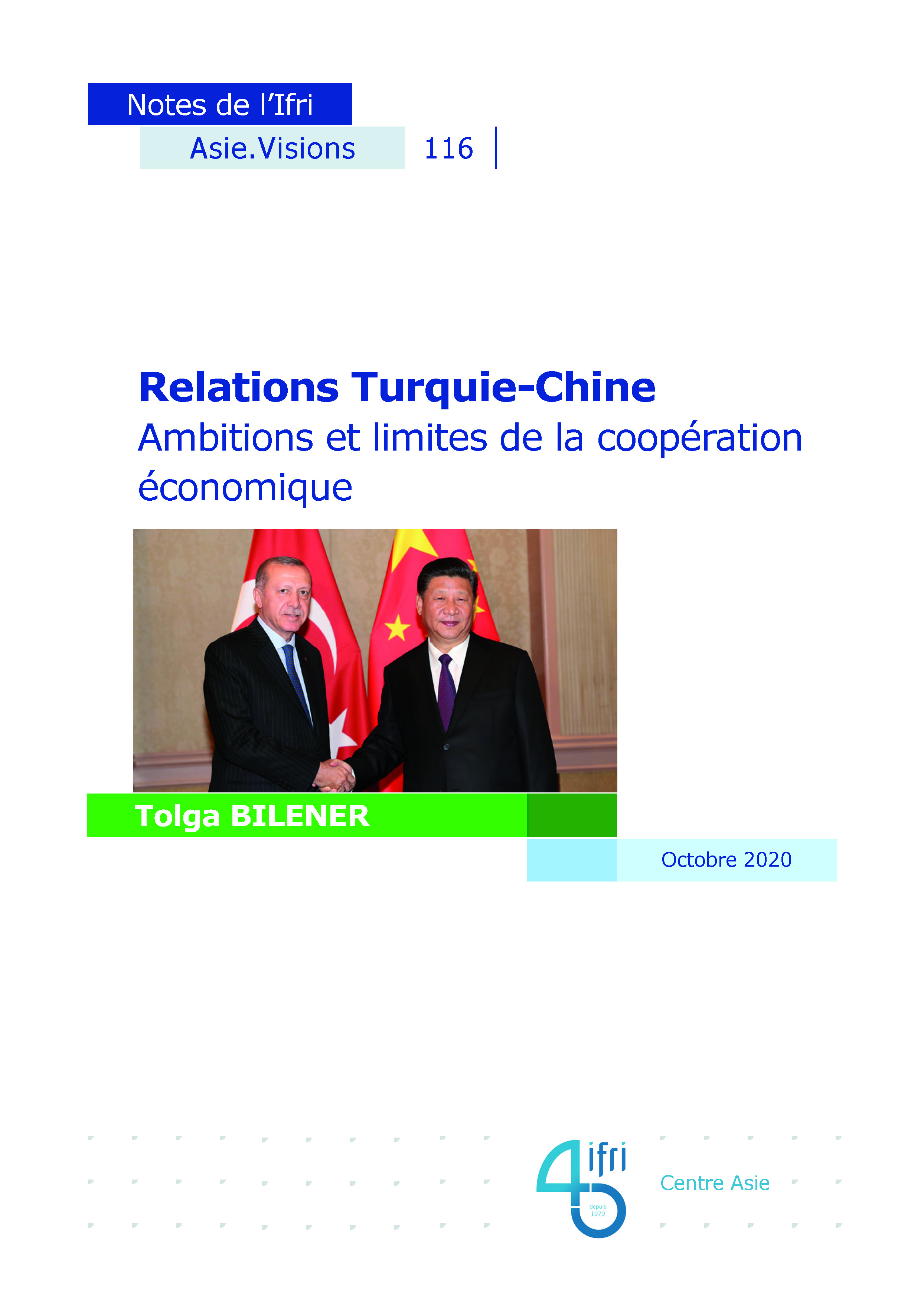
At first glance, China and Turkey have many interests to cooperate. The deployment of the Chinese Belt and Road Initiative (BRI), Turkey's colossal investment and financing needs, as well as President Erdogan's mistrust of the West, appear as many converging interests. Yet economic cooperation between the two countries is struggling to achieve its full potential. Political differences persist, particularly the question of the Uyghurs.
Relations between the People's Republic of China - a major economic and diplomatic power whose re-emergence on the international scene is one of the major subjects of international politics - and Turkey, - a regional power whose weight counts in the evolution of Eastern Mediterranean balances - offer a complementary vision for the study of contemporary international relations. These highlight the instruments and priorities of China when it implements its foreign policy, even more proactive under Xi Jinping, and allows testing Chinese ambitions in various geographical areas of the world. As for Turkey, studying its relations with this geopolitical giant provides an additional view ofits new foreign policy under R. Tayyip Erdoğan, marked by critical ebbs and flows in its relationship with its traditional Western allies.
The economic aspect emerges as the priority in Sino-Turkish relations, as China had become, over the past decade, one of Turkey's three largest trading partners, along with Germany and Russia. Even if Turkey does not seem to be a priority for Chinese diplomacy, it still remains an important player with its domestic market of 83 million inhabitants, but especially with its geographical position. Turkey is all the more interesting for the Chinese leadership in the context of the New Silk Roads project.
In addition, the Uyghur question makes it that relations between these two states are not confined solely to the economic field, adding a domestic policy component because of the sensitivities of nationalist segments of Turkish public opinion, and national security concerns of China. Consequently, there exist a series of obstacles in the path of a closer China-Turkey rapprochement.
This report is only available in French.
Download the full analysis
This page contains only a summary of our work. If you would like to have access to all the information from our research on the subject, you can download the full version in PDF format.
Turkey-China Relations: Ambitions and Limits of the Economic Cooperation


Author(s)
Related centers and programs
Discover our other research centers and programs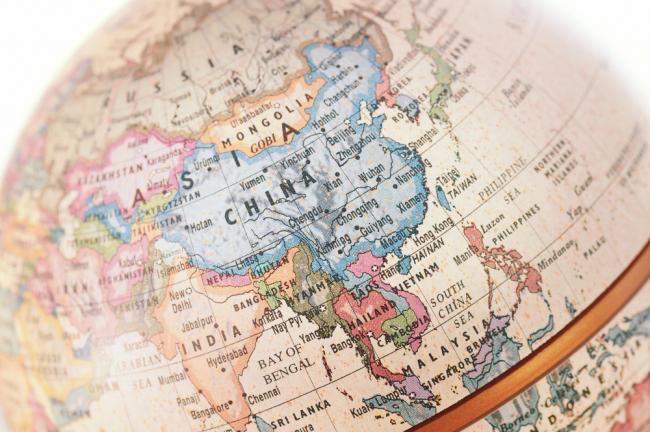
Center for Asian Studies
Asia is a nerve center for multiple global economic, political and security challenges. The Center for Asian Studies provides documented expertise and a platform for discussion on Asian issues to accompany decision makers and explain and contextualize developments in the region for the sake of a larger public dialogue.
The Center's research is organized along two major axes: relations between Asia's major powers and the rest of the world; and internal economic and social dynamics of Asian countries. The Center's research focuses primarily on China, Japan, India, Taiwan and the Indo-Pacific, but also covers Southeast Asia, the Korean peninsula and the Pacific Islands.
The Centre for Asian Studies maintains close institutional links with counterpart research institutes in Europe and Asia, and its researchers regularly carry out fieldwork in the region.
The Center organizes closed-door roundtables, expert-level seminars and a number of public events, including an Annual Conference, that welcome experts from Asia, Europe and the United States. The work of Center’s researchers, as well as that of their partners, is regularly published in the Center’s electronic journal Asie.Visions.
Find out more
Discover all our analyses
Japan’s Takaichi Landslide: A New Face of Power
Prime Minister Sanae Takaichi has turned her exceptional popularity into a historic political victory. The snap elections of February 8 delivered an overwhelming majority for the Liberal Democratic Party (LDP), driven by strong support from young voters, drawn to her iconoclastic and dynamic image, and from conservative voters reassured by her vision of national assertiveness. This popularity lays the foundation for an ambitious strategy on both the domestic and international fronts.
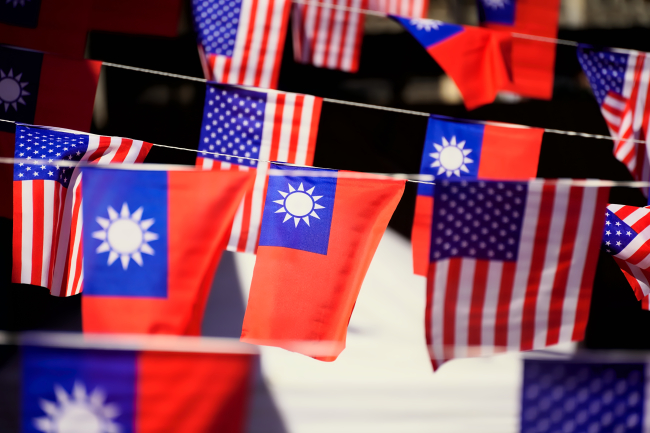
The U.S. Policy Toward Taiwan Beyond Donald Trump: Mapping the American Stakeholders of U.S.-Taiwan Relations
Donald Trump’s return to the White House reintroduced acute uncertainty into the security commitment of the United States (U.S.) to Taiwan. Unlike President Joe Biden, who repeatedly stated the determination to defend Taiwan, President Trump refrains from commenting on the hypothetical U.S. response in the context of a cross-Strait crisis.

China’s Strategy Toward Pacific Island countries: Countering Taiwan and Western Influence
Over the past decade, China has deployed a diplomatic strategy toward the Pacific Island Countries (PICs). This strategy pursues two main objectives: countering Taiwan's diplomatic influence in the region and countering the influence of liberal democracies in what Beijing refers to as the "Global South."
Opening up the G7 to South Korea to Address Contemporary Global Challenges
The G7’s global influence has diminished as powers like China reshape international governance through initiatives such as BRICS and the Shanghai Cooperation Organisation (SCO). With the G7 now representing just 10 per cent of the world’s population and 28 per cent of global GDP, its relevance is increasingly questioned.