


The Political Economy of Nuclear Energy in the United States
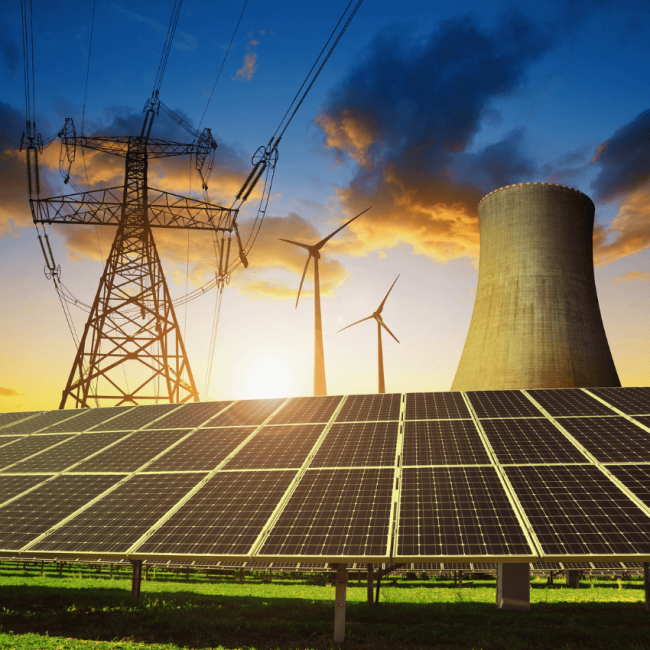
A tendency among commentators, even experts, is to regard the complicated story of nuclear energy in the United States as exceptionally troubled and frustrating. The root cause of the troubles and frustrations, moreover, is commonly thought to be more political than economic. The promise of nuclear power in the U.S. is said to have been dimmed primarily by an eccentrically risk-averse public and an unusually hostile regulatory climate. Practically nowhere else, it is said, have political and legal institutions been so uncooperative. Supposedly the central governments of most other advanced countries have lent far more support to their nuclear industries. And because those governments are assumed to be more aggressive in combating pollution, including greenhouse gas emissions from burning fossil fuels, surely 'the rest of the world' has been doing much more than America to level the playing field for the development of nuclear energy. This paper challenges this conventional picture.

Available in:
Regions and themes
Share
This page contains only a summary of our work. If you would like to have access to all the information from our research on the subject, you can download the full version in PDF format.
The Political Economy of Nuclear Energy in the United States

Center for Energy & Climate
Ifri's Energy and Climate Center carries out activities and research on the geopolitical and geoeconomic issues of energy transitions such as energy security, competitiveness, control of value chains, and acceptability. Specialized in the study of European energy/climate policies as well as energy markets in Europe and around the world, its work also focuses on the energy and climate strategies of major powers such as the United States, China or India. It offers recognized expertise, enriched by international collaborations and events, particularly in Paris and Brussels.

How to Make European e-SAF Production under RefuelEU Aviation Fly?
Three and a half years before the scheduled entry into force of the European regulation ReFuelEU Aviation (RFEUA), which requires aviation fuel suppliers at Union airports to offer a sustainable synthetic alternative (e-SAF), no sizeable commercial production unit (greater than 10,000 tons per year) is active within Europe yet, nor has it even passed the Final Investment Decision (FID). Is a major step in the European Union (EU) plans for decarbonizing air transport at risk of not happening, or at least being postponed for several years? Is Europe losing its bet to create a market for e-SAF? Under what conditions can this bet still be won? Could sovereignty and energy security preoccupations unlock necessary public support and help to overcome economic, financial, logistical or administrative obstacles?
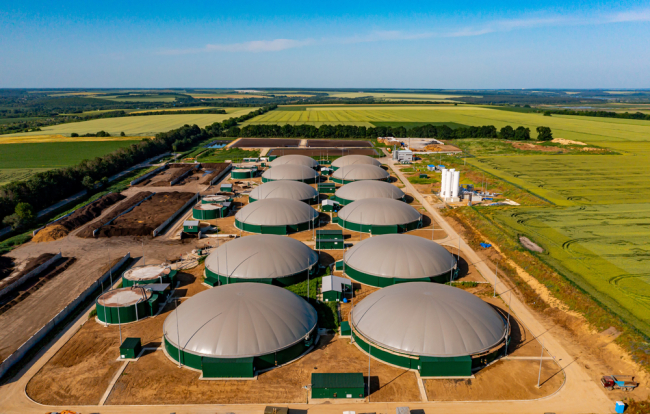
The European Biomethane Sector at a Critical Juncture: Stronger Policy Alignment Will Matter
The European biomethane sector is at a critical juncture.
Europe’s Power Grid Challenge: A Make-or-Break for Accelerating Electrification
In April 2023, The Economist published an article pointing to the vast amounts of electricity infrastructure needed to reach energy transition goals.
Germany Maintains Its Single Electricity Price Zone: Implications
In December 2025, Germany refused to split its bidding zone despite recommendations from ENTSO-E, in order to preserve its federal unity, market liquidity, and the competitiveness of its industry, at the cost of persistent North-South imbalances.