


Syria and Beyond: The Future of the Chemical Weapons Threat
The use of chemical weapons (CW) in Syria and the decision to award the 2013 Nobel Peace Prize to the Organization for the Prohibition of Chemical Weapons (OPCW) reminded the international community that these weapons continue to represent a serious threat. The number of incidents of chemical attacks has been increasing in recent years, and efforts to curb CW programs – apart from the joint mission in Syria – have generally proven unsatisfactory.
This paper attempts to clarify our understanding of this threat, starting from the enduring rationale for states and non-state actors to acquire CW as means of deterrence and terror, against perceived external and internal threats. It reviews the strengths and weaknesses of the regime established by the Chemical Weapons Convention (CWC) and offers recommendations to reinforce our ability to prevent further proliferation and better deal with issues of noncompliance. It finally highlights lessons from the Syrian case of coercive disarmament in terms of strategic credibility and enforcement of disarmament measures in a civil war context.
Download the full analysis
This page contains only a summary of our work. If you would like to have access to all the information from our research on the subject, you can download the full version in PDF format.
Syria and Beyond: The Future of the Chemical Weapons Threat


Author(s)
Related centers and programs
Discover our other research centers and programs
Security Studies Center
Heir to a tradition dating back to the founding of Ifri, the Security Studies Center provides public and private decision-makers as well as the general public with the keys to understanding power relations and contemporary modes of conflict as well as those to come. Through its positioning at the juncture of politics and operations, the credibility of its civil-military team and the wide distribution of its publications in French and English, the Center for Security Studies constitutes in the French landscape of think tanks a unique center of research and influence on the national and international defense debate.
Find out more
Discover all our analyses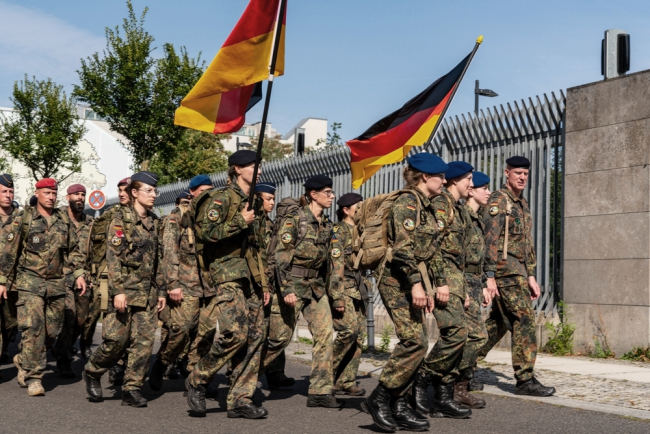
Bundeswehr: From Zeitenwende (historic turning point) to Epochenbruch (epochal shift)
The Zeitenwende (historic turning point) announced by Olaf Scholz on February 27, 2022, is shifting into high gear. Financially supported by the March 2025 reform of Germany’s “debt break” and backed by a broad political and societal consensus to strengthen and modernize the Bundeswehr, Germany's military capabilities are set to rapidly increase over the coming years. Expected to assume a central role in the defense of the European continent in the context of changing transatlantic relations, Berlin’s military-political position on the continent is being radically transformed.

Main Battle Tank: Obsolescence or Renaissance?
Since February 2022, Russian and Ukrainian forces combined have lost more than 5,000 battle tanks, a much higher volume than all the European armor combined. Spearhead of the Soviet doctrine from which the two belligerents came, tanks were deployed in large numbers from the first day and proved to be a prime target for UAVs that became more numerous and efficient over the months. The large number of UAV strike videos against tanks has also led a certain number of observers to conclude, once again, that armor is obsolete on a modern battlefield. This approach must, however, be nuanced by a deeper study of the losses and their origin, UAVs rarely being the sole origin of the loss itself, often caused by a combination of factors such as mines, artillery or other anti-tank weapons.
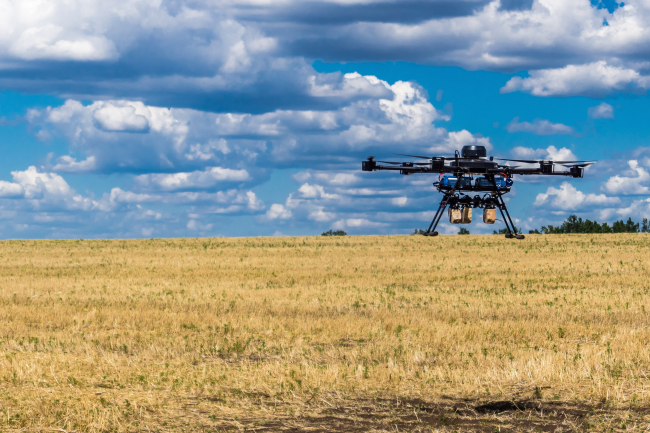
Mapping the MilTech War: Eight Lessons from Ukraine’s Battlefield
This report maps out the evolution of key technologies that have emerged or developed in the last 4 years of the war in Ukraine. Its goal is to derive the lessons the North Atlantic Treaty Organization (NATO) could learn to strengthen its defensive capabilities and prepare for modern war, which is large-scale and conventional in nature.
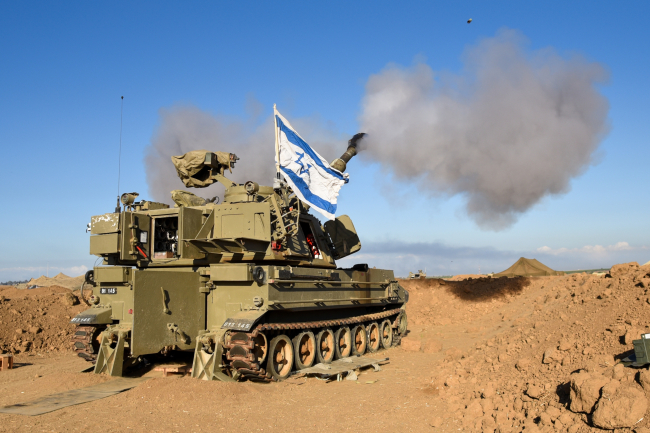
"Iron Swords" A Military Analysis of Israel's War in Gaza
On October 7, 2023, Hamas' attack, dubbed “Al-Aqsa Flood,” caused a major shock and led Israel to launch the longest war in its history. Operation “Iron Swords” was notable for its unprecedented intensity, both in terms of the massive ground forces deployed and the firepower used.