


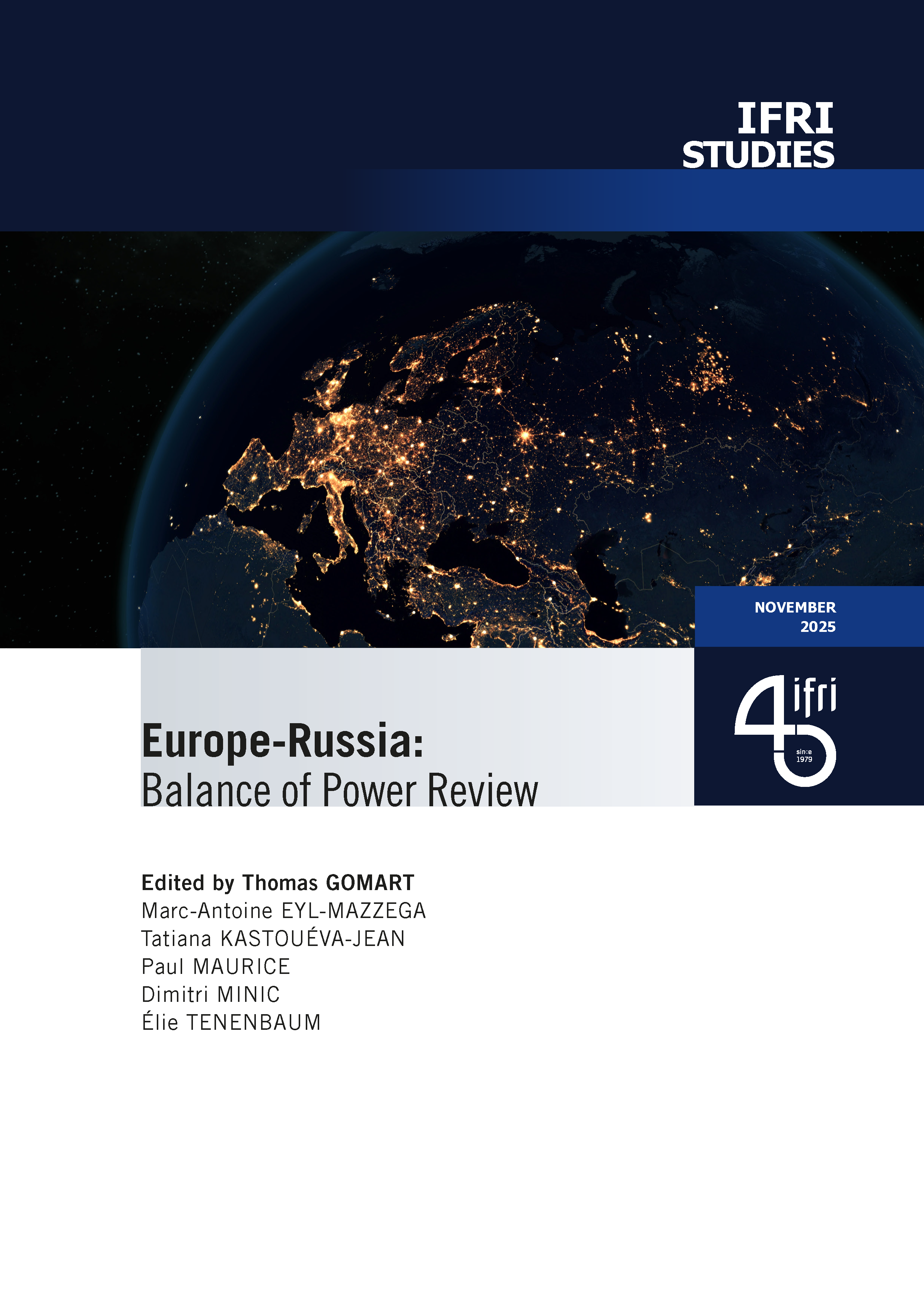


Unmanned Air Systems: The Future of Air & Sea Power?

Since their early use for primitive ISR and combined operations, UAS have developed into increasingly multipurpose instruments performing a wide array of missions (from limited strike operations, search and monitoring to time-sensitive targeting) and offering new maneuver options to the armed forces.
These improvements in range, speed, endurance, situational awareness and payload, achieved through adaptive use of new information technologies, were catalyzed by the Afghanistan and Iraq testing grounds that proved critical in breaking institutional resistance. Yet for all their contribution to the shaping of a quick learning curve, these developments have occurred in permissive airspace. After tracing back the history of UAS development, this paper argues that the US can overcome the different challenges to UAS brought by contested and denied airspace, as traditional power threats constrain force projection through A2AD strategies. To increase their force multiplier potential, the US will likely improve UAS capabilities in stealth, evasiveness, maneuverability and automation, strengthening both air and sea power.
Download the full analysis
This page contains only a summary of our work. If you would like to have access to all the information from our research on the subject, you can download the full version in PDF format.
Unmanned Air Systems: The Future of Air & Sea Power?


Author(s)
Related centers and programs
Discover our other research centers and programs
Security Studies Center
Heir to a tradition dating back to the founding of Ifri, the Security Studies Center provides public and private decision-makers as well as the general public with the keys to understanding power relations and contemporary modes of conflict as well as those to come. Through its positioning at the juncture of politics and operations, the credibility of its civil-military team and the wide distribution of its publications in French and English, the Center for Security Studies constitutes in the French landscape of think tanks a unique center of research and influence on the national and international defense debate.
Find out more
Discover all our analyses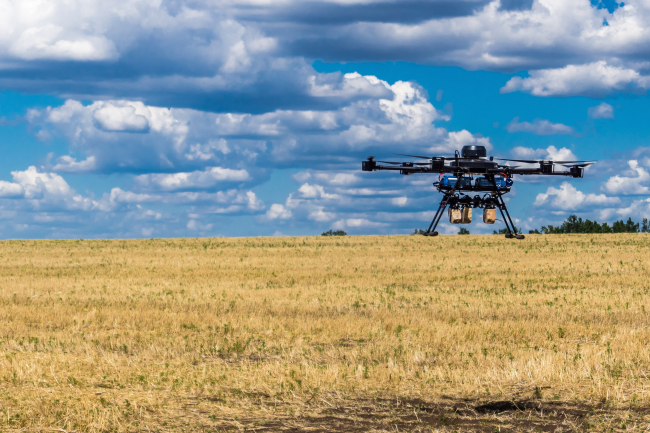
Mapping the MilTech War: Eight Lessons from Ukraine’s Battlefield
This report maps out the evolution of key technologies that have emerged or developed in the last 4 years of the war in Ukraine. Its goal is to derive the lessons the North Atlantic Treaty Organization (NATO) could learn to strengthen its defensive capabilities and prepare for modern war, which is large-scale and conventional in nature.
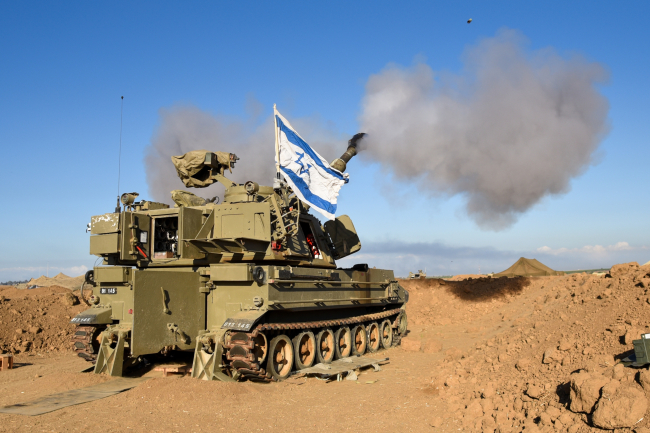
"Iron Swords" A Military Analysis of Israel's War in Gaza
On October 7, 2023, Hamas' attack, dubbed “Al-Aqsa Flood,” caused a major shock and led Israel to launch the longest war in its history. Operation “Iron Swords” was notable for its unprecedented intensity, both in terms of the massive ground forces deployed and the firepower used.
Saudi Arabia’s Nuclear Temptations. Lessons Learned from Regional Instability
Saudi Arabia’s integration in the international arena and regional stability, notably through reducing its dependence on fossil energies, are crucial elements for the success of the Kingdom’s Vision 2030, the Crown Prince’s top priority. However, Mohammed bin Salman’s declarations in 2018 and 2021, indicating that “if Iran develops a nuclear bomb, we will follow suit as soon as possible”, combined with the recent strikes on key Iranian nuclear facilities, do not bode well for the future of the Kingdom, the region and the non-proliferation regime at large.
The Future of Air Superiority. Command of the Air in High Intensity Warfare
Air superiority, understood as control of the air, is a cornerstone of the Western art of warfare. It is a decisive condition, albeit not sufficient by itself, to achieve military victory, as it enables the concentration of air power toward the achievement of wider strategic objectives and protects other components from unbearable attrition levels. It is best achieved through the offensive use of air power in a joint effort to neutralize the enemy’s air power.