


Taiwan’s Trajectory under a New Administration and the Future of EU-Taiwan Relations

Practical information
Themes and regions
Related centers and programs
On 20 May 2024, William Lai was sworn in as Taiwan’s new president, marking the third consecutive mandate for the Democratic Progressive Party (DPP).
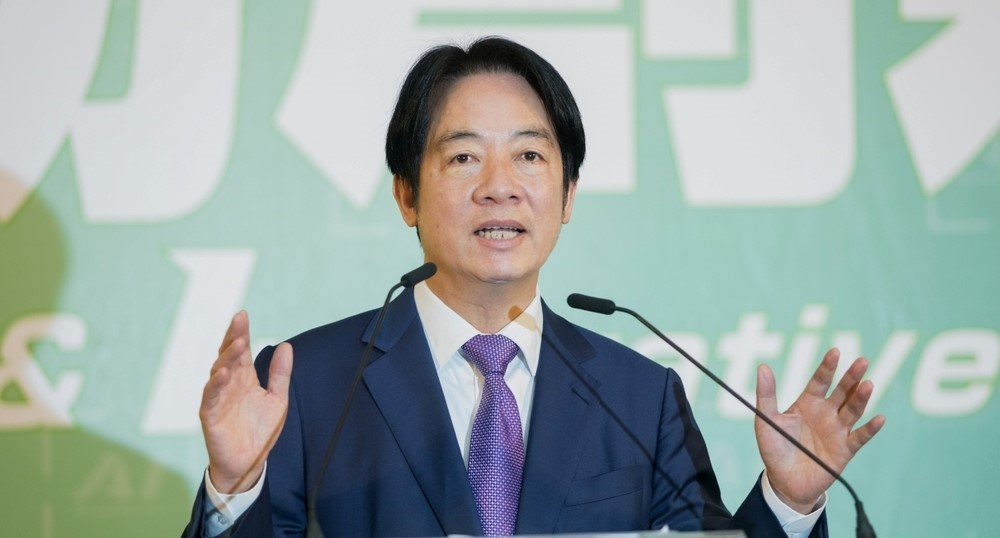
While Mr. Lai’s election suggests a degree of continuity, relations with Beijing have notably worsened in recent years and his inauguration was met with a show of force from China, with the People's Liberation Army conducting a new round of military exercises around Taiwan.
How will the new administration in Taipei cope with these structural changes and chart a course for Taiwan in the years to come? What role can the European Union play to contribute to maintaining peace and stability in East Asia and how can it pursue peaceful and constructive cooperation with Taiwan, particularly in the wake of the latest European parliamentary elections?
Speakers:
- Hung-jen Wang, Director, Institute for National Policy Research (INPR), Taiwan
- Zsuzsa Anna Ferenczy, Assistant Professor, National Dong Hwa University, Associate Research Fellow, Institute for Security and Defense Policy (ISDP)
Chair: Marc Julienne, Director, Center for Asian Studies, Ifri
The webinar is public and will be held in English online.
The link to the webinar will be sent the day before the event.
Find out more
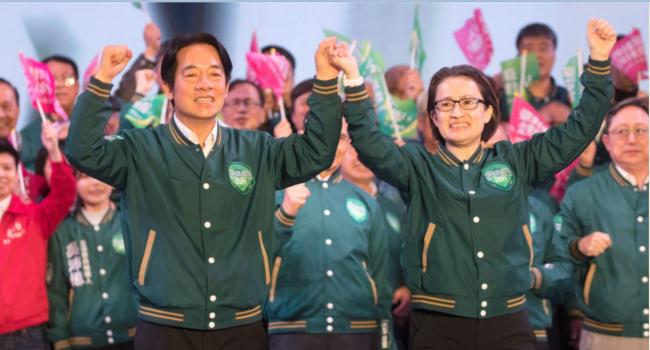
Taiwan's Elections: Victory but No Blank Check for William Lai
On January 13, 2024, the Democratic Progressive Party (DPP) was reelected for an unprecedented third consecutive term since popular elections began in 1996.
Related Subjects
Other events
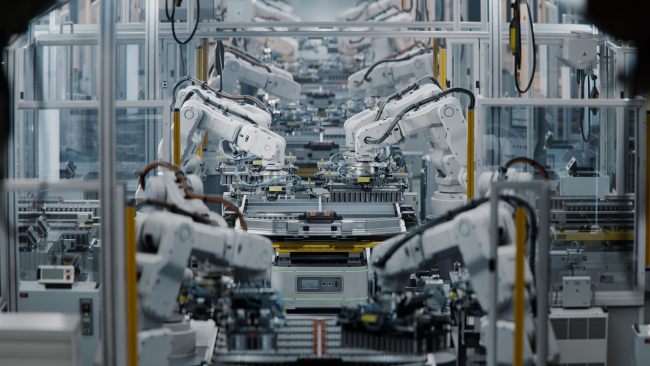
EV Supply Chains for Japan and Europe: Strengthening Economic Security
Economic security aims to ensure the resilience of supply chains for key industries: the case of electric vehicle production in Japan and Europe will be discussed.
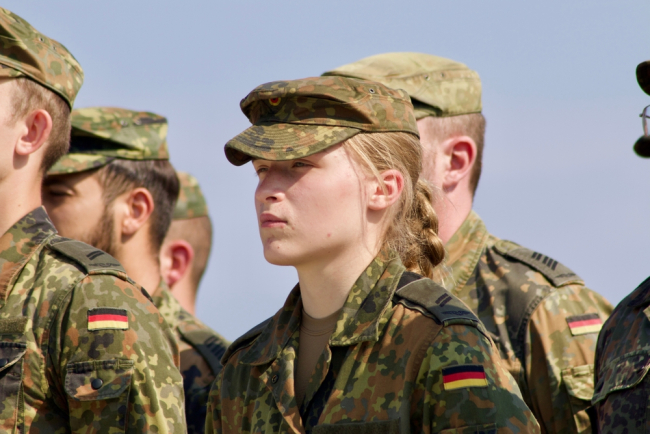
Which Defense Policy for Germany?
Faced with the war in Ukraine and geopolitical instability in Europe amid a turbulent transatlantic environment, Germany has embarked on a major shift in its defense policy, with a significant increase in military spending, the modernization of the Bundeswehr, and debate over a possible return to compulsory military service.
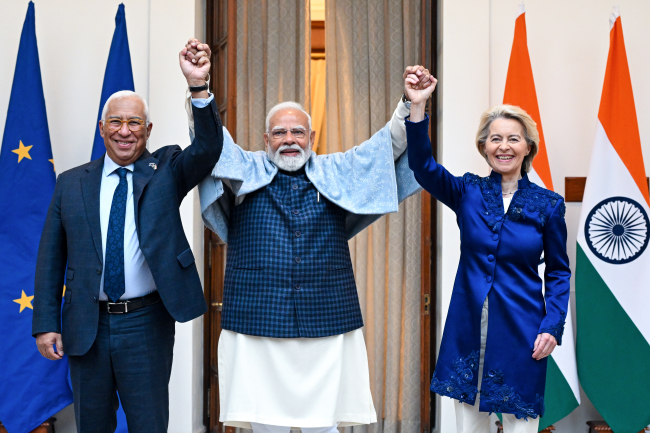
From Ambition to Action: Exploring Technological Partnerships with India
The 16th EU-India Summit, held on January 27th in New Delhi with European leaders António Costa, Ursula von der Leyen, and Prime Minister Narendra Modi, marks a significant milestone in deepening EU-India relations. At the same time, official bilateral visits from EU member states are on the rise, including that of the French President, who visited India in February to participate in the Artificial Intelligence Summit. As India asserts its technological ambitions and seeks to reduce its dependence on China, Europe is stepping up its efforts to diversify its strategic partnerships.