




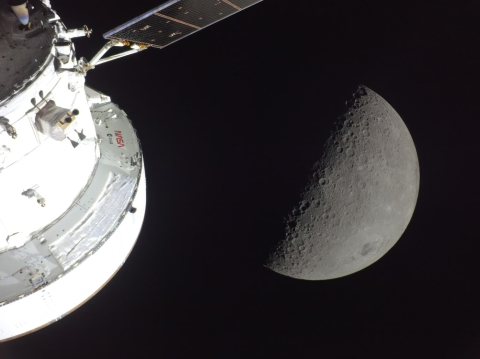
The Way Forward after the Gazprom-Naftogaz Stockholm Arbitration Awards: the View from Naftogaz

Practical information
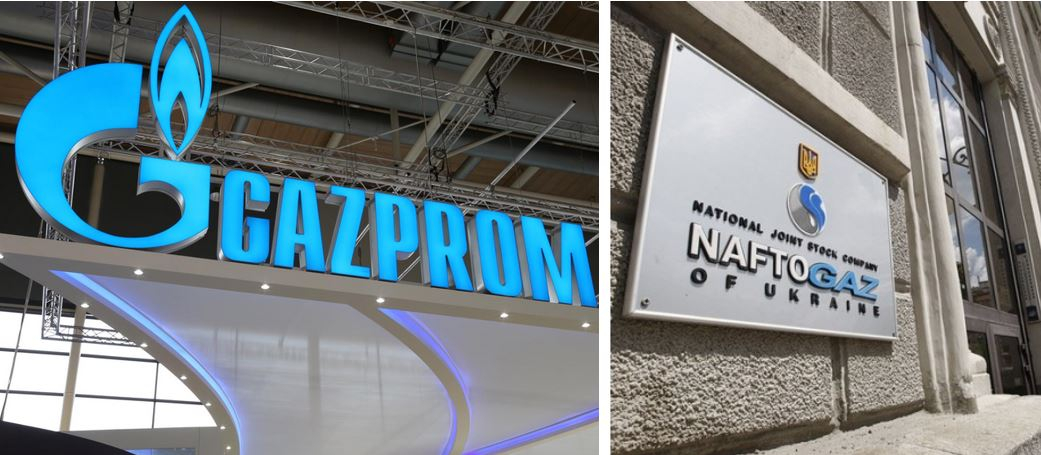
The Gazprom-Naftogaz arbitration procedure totalling around USD 125 billion in mutual claims at the Arbitration Institute of the Stockholm Chamber of Commerce has finally come to an end following two awards from December 2017 and February 2018. Naftogaz has won a net USD 2.56 billion, the take or pay level has been reduced, the gas price formula changed, ship or pay levels for the transit confirmed and the gas transit tariff formula has been maintained. The award has important implications for Naftogaz, Ukraine’s gas market reforms, Gazprom, the security of Russian gas supplies to Europe and the future of European gas markets. This event aims at listening to Naftogaz’s analysis of the awards and their implications, understanding its way forward in terms of implementing the arbitral awards, pursuing corporate restructuring and overall, gas sector reforms and ensuring reliable and competitive gas transmission operations post 2020 and in the longer term.
A preliminary assessment of the awards and their implications for Gazprom and Naftogaz by Ifri’s Centre for Energy can be found here: The Gazprom-Naftogaz Stockholm Arbitration Awards: Time for Settlements and Responsible Behaviour
15:00-15:10 : Introduction: Marc-Antoine Eyl-Mazzega, Director, Ifri Centre for Energy
15:10-15:40 - Naftogaz's Views: Andriy Kobolyev, CEO, Naftogaz
15:40-16:30 - Questions & Answers
Concluding Remarks: Bruno Lescoeur, Independent Membrer of the Supervisory Board, Naftogaz
Related Subjects
Other events
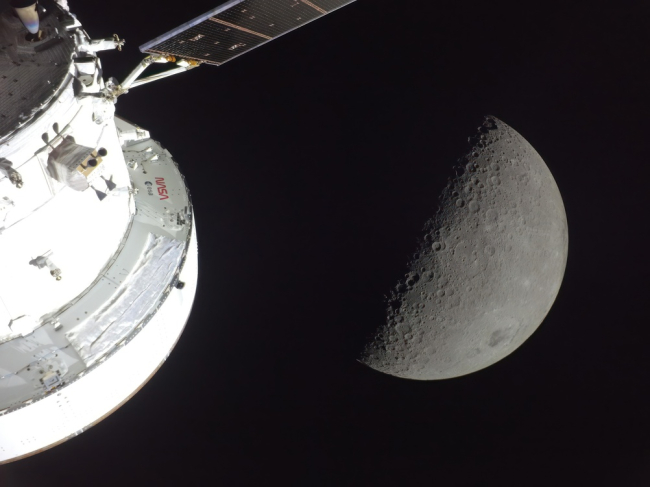
Geopolitical stakes of the New Moon race
As the United States, China, and India solidify their lunar ambitions, Europe is still seeking to define its stance: should it be a reliable partner or an autonomous strategic player? This conference will examine the stakes of this new race to the Moon and Europe’s interest in asserting itself as a lunar power through partnerships, industrial ambitions, and whether its participation in the new lunar race serves as a lever for strategic autonomy and internal cohesion, or an illustration of its dependence.