



Practical information
Breakfast-Debate with Natalya Narotchnitskaya, Duma Deputy, Researcher and author of Que reste-t-il de notre victoire? [What is Left of Our Victory?] (Paris, Editions des Syrtes, 2008), Georges Nivat, Rector of the International University of Lomonosov and author of vivre en russe [Living as a Russian] (Paris, L'Age d'homme, 2007) and Thomas Gomart, Director of Ifri's Russia/NIS centre and of the Electronic Collection Russie.Nei.Visions, which is published in French, Russian and English.
Chairman: Dominique David, Executive Director, Ifri
Natalia Narotchnitskaya will speak in Russian with interpretation in French.
Relations between Russia and the West are embedded in a history which is rich in cultural exchanges and saturated with numerous political misunderstandings. This relationship, which is crucial for both parties, is increasingly confronted by profound differences in memory, for example regarding ‘The Great Patriotic War.' This conference aims to identify these differences, and suggests that in future dialogue will be played out partly through readings of the past, whether they are separate or shared.
Speakers

Our team
Other events
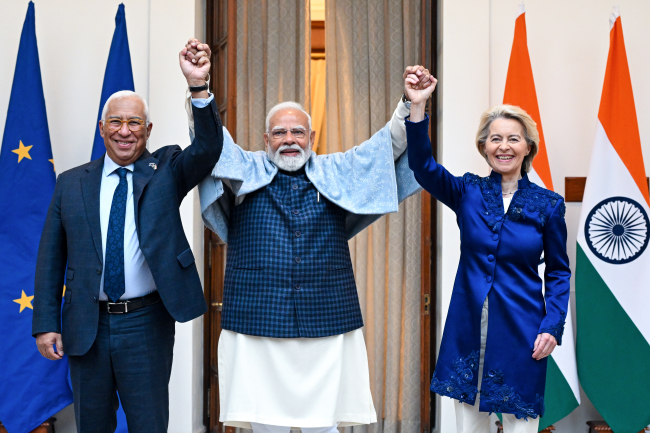
From Ambition to Action: Exploring Technological Partnerships with India
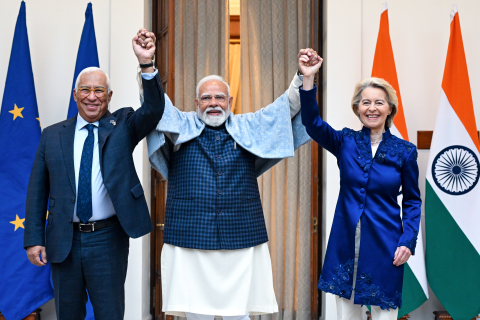
The 16th EU-India Summit, held on January 27th in New Delhi with European leaders António Costa, Ursula von der Leyen, and Prime Minister Narendra Modi, marks a significant milestone in deepening EU-India relations. At the same time, official bilateral visits from EU member states are on the rise, including that of the French President, who visited India in February to participate in the Artificial Intelligence Summit. As India asserts its technological ambitions and seeks to reduce its dependence on China, Europe is stepping up its efforts to diversify its strategic partnerships.
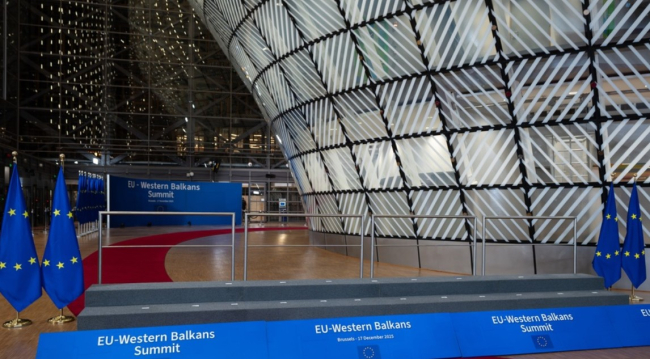
The Enlargement of the European Union: A Strategic Choice? France, the Western Balkans and the EU in an Uncertain Geopolitical Context
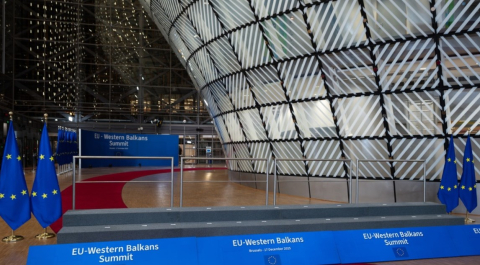
Russia’s war against Ukraine has brought the enlargement of the European Union back to the centre of European strategic debates. In this context, the Western Balkans have regained heightened visibility in discussions on the continent’s security, at a time when the international environment is marked by a growing number of destabilising factors.