







Practical information
A roundtable conference with Michel CRUCIANI, Associate Research Fellow to Ifri, Senior Advisor to CGEMP, University Paris-Dauphine, and author of “The Cost of Renewable Energy Sources”, Note de l'Ifri, 2014, Tom HOWES, Deputy Head, Unit A4, Economic Analysis and Financial Instruments, DG Energy, European Commission, Mike WALDRON, Senior Markets Analyst, Renewable Energy Division, IEA.
Chaired by Marie-Claire AOUN, Director of Ifri Energy Center
While Europe and many parts of the world are threatened by a period of economic turmoil, a good understanding of the costs of renewable energy is crucial, especially because renewable energy sources are often seen as a policy option to come out of crisis. We often hear that renewable energy sources have now achieved cost parity with conventional energy. This is a major benefit for project developers, but, what about end-users? The purpose of this event is to discuss the evolution of costs, direct costs (energy and grid related) but also indirect costs, notably those related to public supports. The debate will also aim at understanding how the traditional utility value chain is evolving, and, to what extent this change is affecting the economy as a whole.
Other events
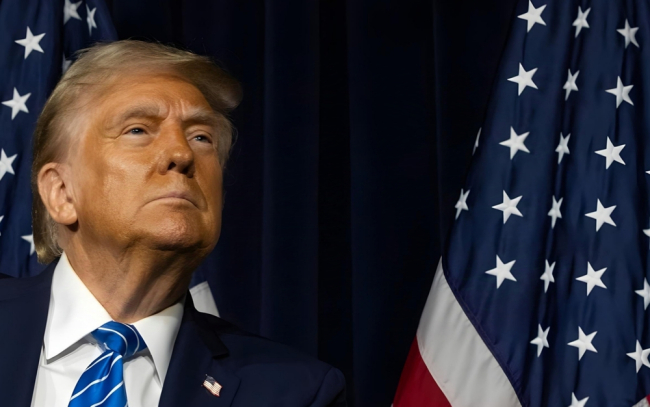
One Month Ahead of the Midterms: Where Is Trump’s America Headed?
The 24th edition of the Ifri Americas Programme Annual Conference will examine the dynamics at play in the United States and their implications for Europe and the transatlantic relationship. will examine the dynamics at play in the United States and their implications for Europe and the transatlantic relationship.
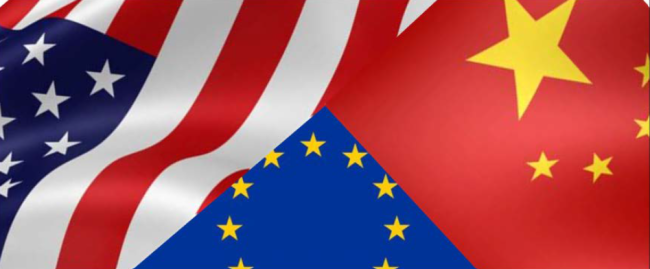
The EU in a World of Economic Warfare: Trade, Geopolitics, and the Battle for Economic Sovereignty
The international trading system has become a primary theatre of geopolitical competition. Tariffs, sanctions, and technology controls have replaced dialogue as the default instruments of economic relations.
Navigating Uncertainty: Asian Powers amid US-China Competition
As relations between China and the United States oscillate between hardening competition and strategic stability, regional powers in Asia must adapt to greater uncertainty. The increasing weaponization of trade and economic dependencies, the rise of disruptive technologies, and the ever-growing risk of armed conflict are among the destabilizing factors shaping the region’s trajectory.