





Practical information
Local democracy has informed political life in Britain for a long time. Postcolonial migrants mainly settled in the big industrial cities of Britain and made the city the area where the issue of ethnicity would be managed by local politicians, civil society organizations, and institutions. British race relations policies gave local authorities the task of eliminating racial discrimination and promoting equal opportunities.
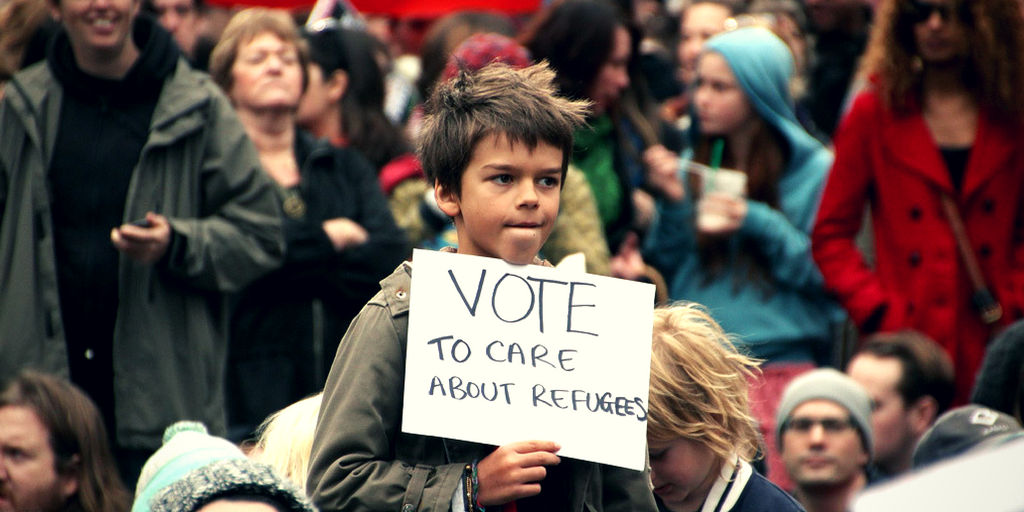
As a result, local politics have been a site for the participation of elected representatives from ethnic minority backgrounds, keeping their distance from racist and xenophobic politics that could be found at the national level in the 1980s and 1990s. Two decades later, do multicultural cities in Britain keep their central role in the making of an inclusive and participative citizenship? Will local politics be resilient to the negative stances on present day migration that have suffused the Brexit referendum campaign? Will local democracy in British cities be negatively impacted by Britain leaving the EU?
The challenges faced by local democracy in Britain today can illuminate our understanding of the complex interplay between multiculturalism, immigration, and participative democracy in Europe. Migrants and minority groups are more often than not put in a remote position and have very little say on the policies that affect them. On the other hand, however, migration and multiculturalism also enhance civic participation, given the conditions for equal participation and inclusion are provided. In that context, cities are key to bridge the gap between migrants and minority groups and local and national institutions. They play a significant role in supporting immigrants’ participation and dialogue within society.
In order to address these questions and to discuss the role of cities for democracy in Europe, the French Institute of International Relations organize a conference which brings together key representatives from 6 multicultural cities in Europe – Amsterdam, Athens, Birmingham, Budapest, Lisbon and Paris.
Roundtable in English
With city representatives from Birmingham and 5 other cities in Europe (Amsterdam, Athens, Budapest, Lisbon and Paris), representatives of civil society organizations from Birmingham and the area.
The debate will be opened by John Clancy, Leader of the Birmingham City Council - Christophe Bertossi, Director of the Centre for Migration and Citizenship, Ifri – Ivana d’Alessandro, Project Manager, Intercultural Cities Programme of the Council of Europe – Paulette Hamilton, Councillor and Cabinet Member for Health and Social Care, City of Birmingham.
This conference is organised as part of the “Making of Citizenship” project by the French institute of international relations (Ifri) in partnership with the Calouste Gulbenkian Foundation, the French network of institutes of advanced study, the University of Warwick and the University of Amsterdam, and with the support of the “Europe for Citizens” programme of the European Union.
Other events
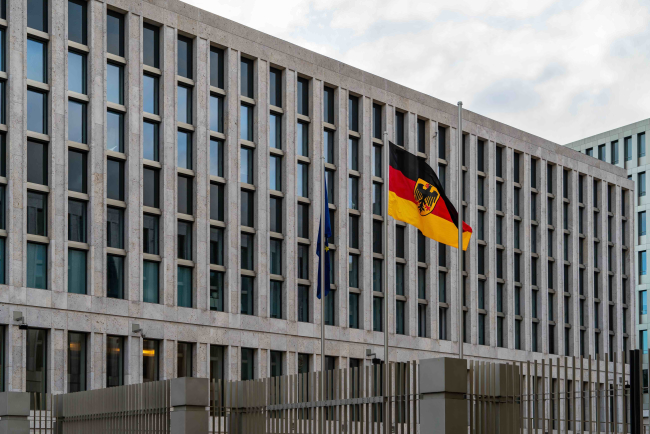
Role of Intelligence for Political Decision Making
As part of the intelligence-focused BBS, organized in partnership with the Intelligence College in Europe, Ifri welcomes Mr. Philipp Wolff, Coordinator of the German Federal Intelligence services at the Federal Chancellery.

Nuclear Sharing in Europe: A Contested Policy That Endures
Since the end of the Cold War, the number of US nuclear weapons stationed in Europe has fallen more than seventy-fold, yet their presence in Belgium, Germany, Italy, the Netherlands, and Turkey remains a quiet pillar of NATO's deterrence posture. This "nuclear sharing" arrangement, central to the Alliance since its founding, has long been contested by public opinion, political parties, and civil society across Europe, without ever being abandoned by host governments. This paradox lies at the heart of the seminar: why does such an unpopular policy persist?