





Practical information
Local democracy is at the forefront of the challenges facing the EU today. In a context of growing socio-economic difficulties and attacks against the values of citizenship, what can local representatives do in order to support the participation and inclusion of all the citizens?
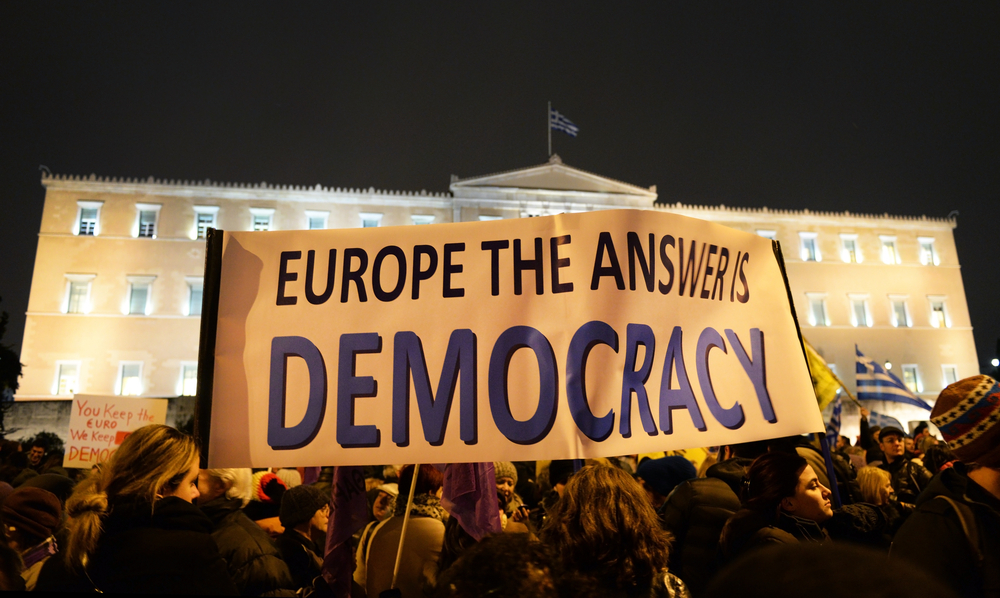
Europe is facing a series of crises that weakens the capacity of European societies to build citizenship based on equality, inclusion, social progress and tolerance. Citizens’ participation seems to be challenged by a decade of severe economic and financial crisis while nationalistic and xenophobic divisions are tearing Europeans apart through various forms of populist and nativist discourses.
The responses to the so-called “refugee crisis”, the British “leave vote” or the threats to democratic principles, for example in Hungary, highlight that the goal of a more integrated EU, based on human rights and democracy, cannot be taken for granted. In such a context, major elections in 2017 in France, the Netherlands and Germany are a cause for concerns.
Local institutions and civil societies are at the forefront of these challenges. The lack of social cohesion, exclusion and the growing vulnerability of a substantial part of the European population constitute direct challenges for local policies and the ability of civil society actors to mobilize in favor of more integrated societies. At the same time, local authorities can address this situation through various policy tools aimed at supporting social cohesion and democratic participation and inclusion.
Final conference of a 12-month project with elected representatives from 6 European cities
Throughout 2016, the Centre for Migration and Citizenship of the IFRI brought together 28 representatives from 6 European cities (Amsterdam, Athens, Birmingham, Budapest, Lisbon, and Paris) to address this situation. The objective was to launch a discussion about the role of local elected representatives in the making of citizenship in Europe, and the synergies that could be created between local initiatives and EU policies of civic participation.
The project’s final meeting in Brussels aims to broaden the dialogue with European policymakers and stakeholders, including EU institutions, networks of local authorities, civil society organizations active in the fields of migration and democracy, groups of citizens, foundations and political parties.
With the contributions of João Afonso (Vice-Mayor for Social Rights, Lisbon), Paulette Hamilton (Cabinet Member for Heath and Social Care, Birmingham), Gergely Karacsony (Mayor of the Budapest-Zuglo district), Sofyan Mbarki (City Councillor, Amsterdam), Gilles Pelayo (Head of Unit, Education, Audiovisuel and Culture Executive Agency, European Commission), Hermano Sanches Ruivo (Paris Councillor, Delegate in charge of Europe), Maria Stratigaki (Vice-Mayor for Social Solidarity, Welfare and Equality, Athens).
Chair and discussant: Prof. Jan Willem Duyvendak (University of Amsterdam).
Other events
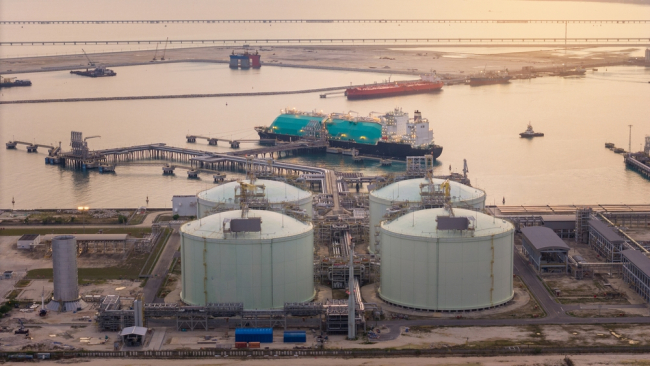
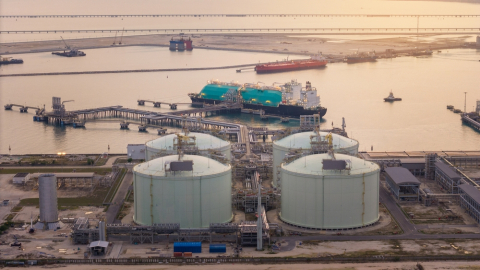
Europe Bracing for a Tough Winter: Prospects for Tighter Oil and Gas Markets
Summer witnessed a sharp escalation in the Russia-Europe confrontation, amidst continued partial closure of Hormuz and major extreme weather events. Oil and gas prices are high, and the price and supply outlooks for Europe this winter are very challenging for oil products, LNG and possibly, electricity markets which see growing contamination from the Hormuz crisis and growing risks of disbalances. Moreover, the phase-out of Russian gas supplies comes with renewed risks.
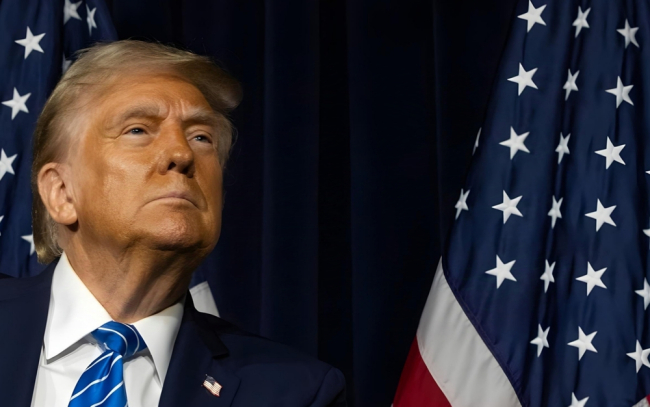
One Month Ahead of the Midterms: Where Is Trump’s America Headed?
The 24th edition of the Ifri Americas Programme Annual Conference will examine the dynamics at play in the United States and their implications for Europe and the transatlantic relationship. will examine the dynamics at play in the United States and their implications for Europe and the transatlantic relationship.
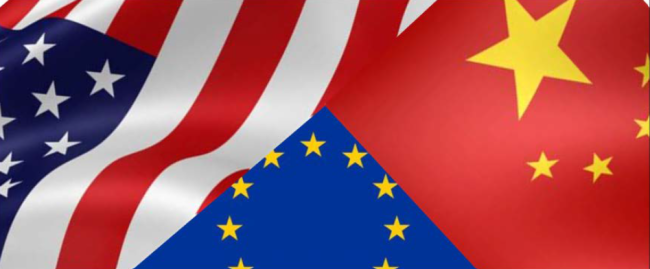
The EU in a World of Economic Warfare: Trade, Geopolitics, and the Battle for Economic Sovereignty
The international trading system has become a primary theatre of geopolitical competition. Tariffs, sanctions, and technology controls have replaced dialogue as the default instruments of economic relations.