




Practical information
A luncheon debate with Dorothée SCHMID, research fellow, in charge of the Turkey resaerch program.
On 17 December, a large investigation for fraud and corruption led in Turkey to the dramatic arrest of personalities very close to the government, directly threatening the power of Recep Tayyip Erdoğan. The affair is seen as the last episode of a secret settling of accounts between AKP and the very powerful confrérie of Fethullah Gülen, that would like to bring the Prime Minister down. Six month after the massive demonstrations of the "Taksim spring", and three months before the local elections, the Turkish democracy is going through difficult times. Internal political instability, diplomatic difficulties, decline of the Turkish lira: can Erdoğan still have the control?
Chair: Dominique DAVID, Executive Director, Ifri
This luncheon debate is supported by
Other events
Role of Intelligence for Political Decision Making
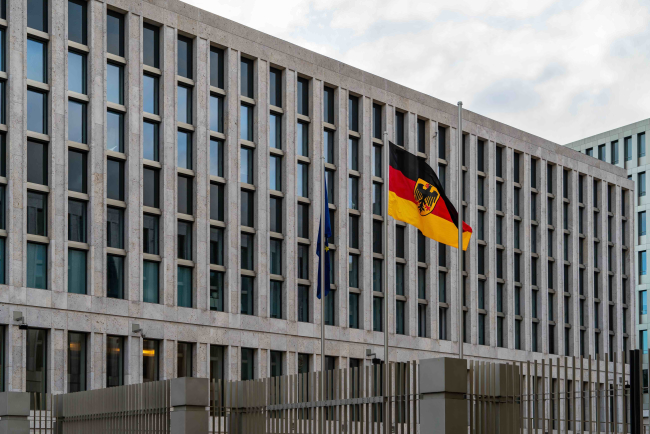
As part of the intelligence-focused BBS, organized in partnership with the Intelligence College in Europe, Ifri welcomes Mr. Philipp Wolff, Coordinator of the German Federal Intelligence services at the Federal Chancellery.
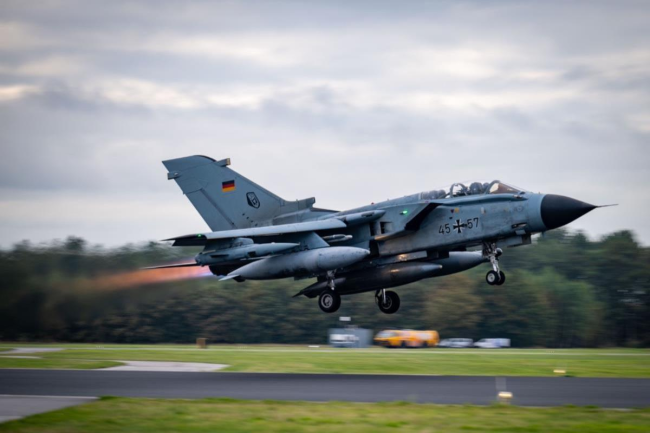
Nuclear Sharing in Europe: A Contested Policy That Endures
Since the end of the Cold War, the number of US nuclear weapons stationed in Europe has fallen more than seventy-fold, yet their presence in Belgium, Germany, Italy, the Netherlands, and Turkey remains a quiet pillar of NATO's deterrence posture. This "nuclear sharing" arrangement, central to the Alliance since its founding, has long been contested by public opinion, political parties, and civil society across Europe, without ever being abandoned by host governments. This paradox lies at the heart of the seminar: why does such an unpopular policy persist?