





Practical information
Séminaire organisé à Bruxelles avec Didier Beutier, Vice President for Economic and Prospective Studies, Areva ; Alice de Brauer, VP Strategic Environmental Planning, Renault ; Koen Coppenholler, Head of European Government Relations, Arcelor Mittal ; Marc Duhem, Regional Manager for Europe, Solvay ; Mattias Dürr, Head of Office, RWE AG Liaison Office Brussels ; Jan Horst Keppler, Professor of Economics at University of Paris-Dauphine and Senior Research associate with Ifri Energy Program ; Krish Krishnamurthy, Linde AG ; Jacques Lesourne, Chairman of the Scientific Committee of the Ifri Energy Program ; Assaad Saab, Vice President International Affairs, EdF ; Arve Thorvik, Vice President StatoilHydro EU Affairs ; William Ramsay, Deputy Director, International Energy Agency ; Yves Smeers, Tractebel, Professor of Ecomics at the Catholic University of Louvain, Wolfgang Weber, Head of Energy and Climate Policy, BASF.
Programme (pdf)
Présentations de Mukund Bhagwat (pdf- 399k), Philippe Eydaleine (pdf- 521k) et Geert Meynckens (pdf- 378k)
Lire le compte-rendu
Other events
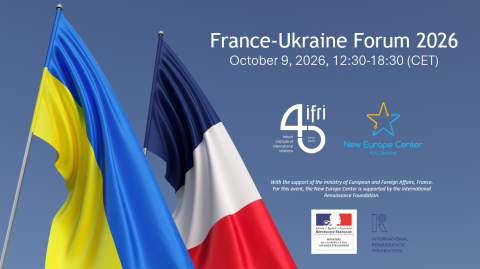
France-Ukraine Forum 2026
More than four and a half years after the start of the full-scale war launched by Russia against Ukraine, the 2026 France-Ukraine Forum will bring together policymakers, experts, academics, and civil society representatives from both countries to discuss three main topics: the formats and conditions for a lasting diplomatic settlement; Ukraine’s Euro-Atlantic integration, encompassing both the EU accession process and closer ties with NATO; and the societal transformations of postwar Ukraine, as well as its prospects for reconstruction.
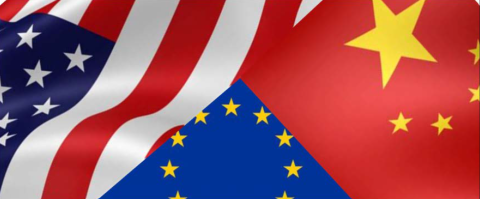
The EU in a World of Economic Warfare: Trade, Geopolitics, and the Battle for Economic Sovereignty
The international trading system has become a primary theatre of geopolitical competition. Tariffs, sanctions, and technology controls have replaced dialogue as the default instruments of economic relations.
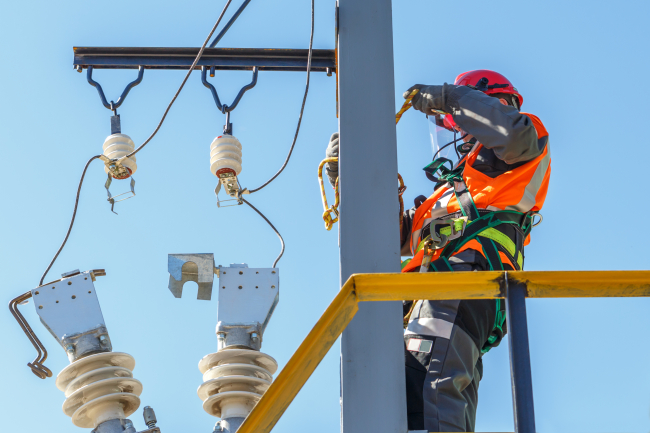
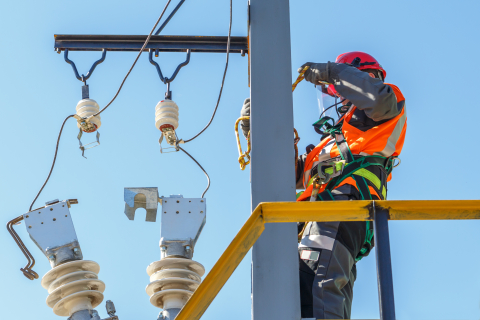
The Road to 27 Electrification Action Plans: Planning and Investing in Europe’s Electric Future
The European Commission’s Electrification Action Plan places the continent on an electric path to structurally reduce dependence on fossil fuel imports and boost the energy transition in industry, transport and buildings.