

Between Inner Balance and International Standings: Whither Independence for South Soudan?

Practical information

Les débats s'articuleront autour de trois tables rondes :
9h30-11h00 : Sud-Soudan et Nord-Soudan : quel face-à-face de deux Etats recomposés ?
Avec Douglas H. Johnson, James Currey ; Raphaëlle Guibert, Université d'Auvergne/université de Nice et Stéphane Gompertz, MAEE
11h30-13h00 : L'impact régional de l'indépendance, de la Corne à l'Afrique centrale et au continent
Avec Roland Marchal, CNRS/CERI ; Frank van Acker, Consultant, Anvers et Markus Hoehne, Max Planck Institut
14h30-17h00 : Construire l'Etat au Sud-Soudan
Avec Christian Delmet, CNRS ; Nicolas Vercken, Oxfam France ; Sophie Vanhaeverbeke, Office d'aide humanitaire de la Commission européenne (ECHO) et Mawan Muortat, commentateur politique soudanais
17h00-17h30 : Conclusions
Laurent d'Ersu, ministère des Affaires étrangères et europénnes
Les interventions auront lieu en français ou en anglais, sans traduction
Retrouvez le programme prévisionnel complet en pièce jointe
Speakers

Our team
Other events
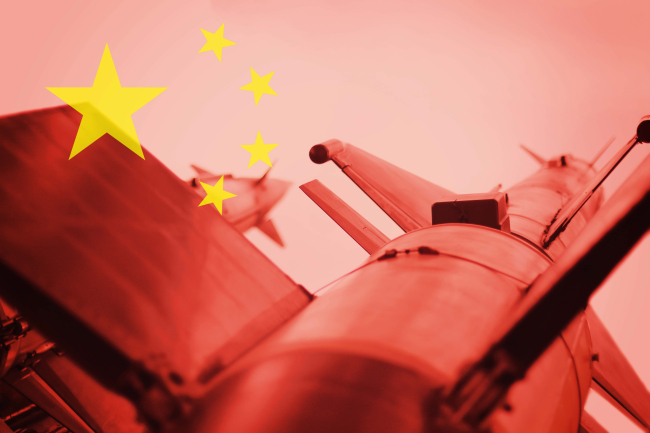
China’s Nuclear Buildup: Developments, Drivers, and Implications for Major-Power Relations and Arms Control
China has been steadily expanding its nuclear arsenal for several years amid levels of geopolitical tension unseen since the end of the Cold War, marked by a resurgence in nuclear proliferation and a broader, global arms race.
Reinventing Coordination in an Age of Fragmentation 3rd Paris Geoeconomic Dialogue
The world economy is being reordered. The certainties of the post-Cold War era, open trade, dollar centrality, predictable multilateral coordination, are giving way to a landscape shaped by rivalry between the United States and China, the weaponization of interdependence, and a scramble to secure supply chains, technologies and critical resources. What once looked like a stable architecture now appears fragile, contested, and in places actively being dismantled.