





Practical information
Themes and regions
Related centers and programs
Italy is firmly committed to decarbonizing its economy, with policy measures including phasing out coal by 2025, encouraging home renovations with generous tax breaks and expanding the use of renewables in the electricity, heating, and transport sectors.
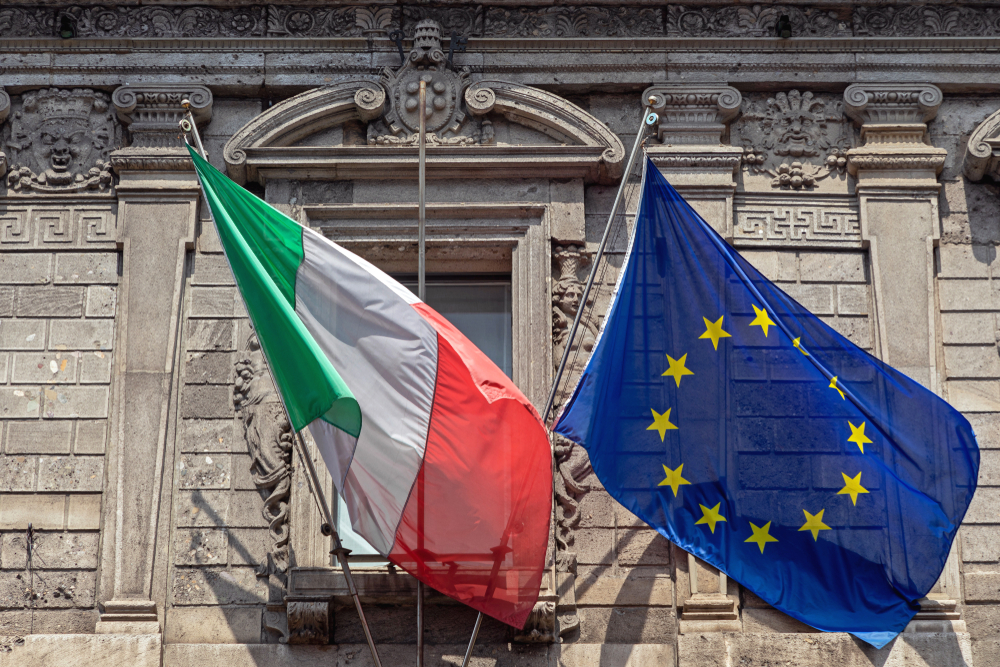
As the largest recipient of Europe’s recovery fund, Rome is expected to step up climate-friendly investments and accelerate overall progress towards the new European target of a -55% net emissions cut by 2030.
This webinar aims to discuss Italy’s energy and climate strategy, from a domestic perspective but also in the context of the European Green Deal negotiations and the upcoming COP26 climate conference, of which Italy is assuming the co-presidency while also chairing the G20.
Chair: Marc-Antoine Eyl-Mazzega, Director, Center for Energy & Climate, Ifri
- Wolfgang D’Innocenzo, Energy Attaché, Permanent Representation of Italy to the EU / Ministry of Economic Development
- Federico Pontoni, Research Fellow, Bocconi University
- Piero Gattoni, President, Consorzio Italiano Biogas
- Luca Franza, Head of the Energy, Climate and Resources Programme, Istituto Affari Internazionali
Moderation: Carole Mathieu, Head of EU Energy & Climate Policies, Ifri
This webinar will be held in English.
Find out more

The Renovation Wave: A Make or Break for the European Green Deal
European buildings are old and too often inefficient, past policies have not delivered and the amount of investment into energy efficiency must be scaled up dramatically to meet the 2030 targets and ultimately, the carbon neutrality objective.
Perspectives on a Hydrogen Strategy for the European Union
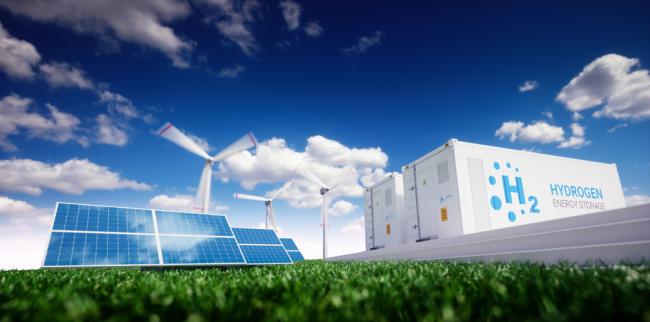
There is now a wide understanding that larger use of clean hydrogen in future can be an important mean to achieve decarbonisation of the European economy.
Related Subjects
Other events
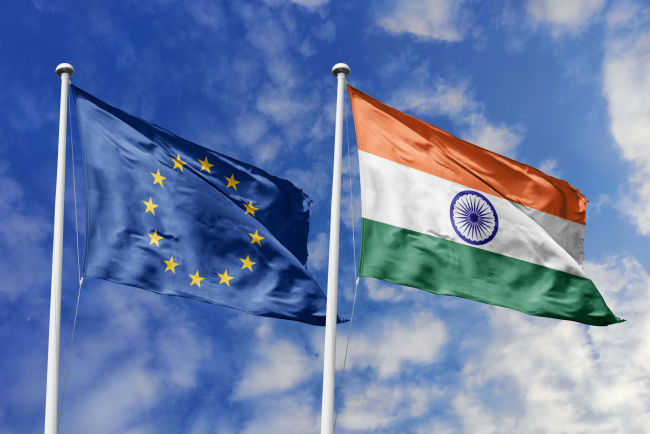
The EU–India Defense Partnership in an Evolving Security Environment
On 27 January 2026, the European Union and India signed a Security and Defence Partnership on the sidelines of the EU-India Summit. This agreement marks an important step in the evolution of the strategic partnership between the two sides, placing security and defence at the heart of a relationship that has until now been driven primarily by trade and economic cooperation.
One Month Ahead of the Midterms: Where Is Trump’s America Headed?
The 24th edition of the Ifri Americas Programme Annual Conference will examine the dynamics at play in the United States and their implications for Europe and the transatlantic relationship. will examine the dynamics at play in the United States and their implications for Europe and the transatlantic relationship.