





What kind of future for the European neighbourhood policy (ENP)? The view from the EU and the neighbouring countries
Practical information
The ENP review launched in July 2010 is almost complete. This work was accomplished in a very difficult time, with the launch of the EEAS and the crises in the neighbourhood (the revolution in Tunisia, Egypt and the civil war in Libya, the clampdowns in Belarus) to which the EU is not always prepared to respond in an appropriate way.
Undoubtedly, the above processes and events trigger extensive reflections over the ENP: What has been achieved under this policy so far? What are the chances for the implementation of its main goals in the future? What should the EU"s relations with its neighbours be like over the next 10-15 years?
What role could the EEAS play in the neighbourhood policy? With this conference, we will try to answer these questions both from the perspective of the EU and of the partner states.
Sessions :
- I. Stabilisation or Democratisation - What are the EU's interests in the Neighbourhood?
- II. Migration: challenge and opportunities - How to build a smart migration framework?
- III. Reaching beyond cooperation: Is there a chance for economic integration?
- IV. What kind of future for the ENP?
In partnership with :
Other events
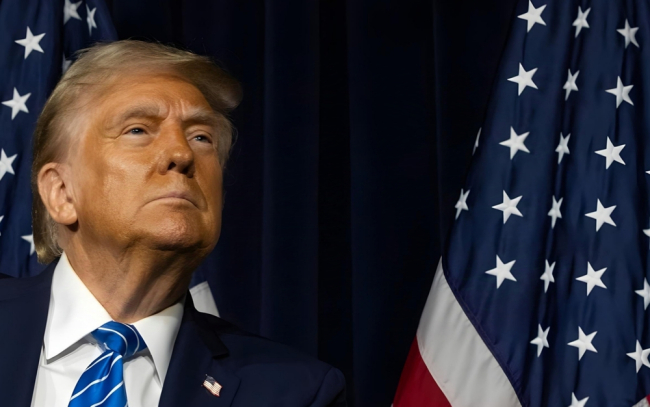
One Month Ahead of the Midterms: Where Is Trump’s America Headed?
The 24th edition of the Ifri Americas Programme Annual Conference will examine the dynamics at play in the United States and their implications for Europe and the transatlantic relationship. will examine the dynamics at play in the United States and their implications for Europe and the transatlantic relationship.
France-Ukraine Forum 2026
More than four and a half years after the start of the full-scale war launched by Russia against Ukraine, the 2026 France-Ukraine Forum will bring together policymakers, experts, academics, and civil society representatives from both countries to discuss three main topics: the formats and conditions for a lasting diplomatic settlement; Ukraine’s Euro-Atlantic integration, encompassing both the EU accession process and closer ties with NATO; and the societal transformations of postwar Ukraine, as well as its prospects for reconstruction.
The EU in a World of Economic Warfare: Trade, Geopolitics, and the Battle for Economic Sovereignty
The international trading system has become a primary theatre of geopolitical competition. Tariffs, sanctions, and technology controls have replaced dialogue as the default instruments of economic relations.