




Practical information
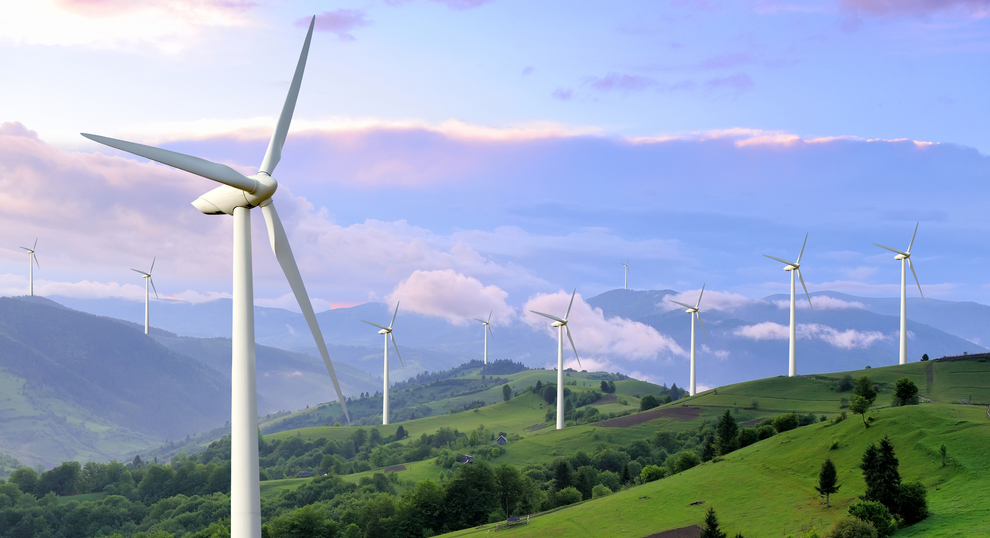
The energy sector is responsible for over 60% of global CO2 emissions and the December 2015 Paris Agreement on climate represents a historical step towards reducing carbon emission worldwide. However, commitments undertaken by signatory countries will not only need to be implemented, but also further adjusted and strengthened in order to reduce emissions further so as to limit the temperature rise to around +1.5°C by 2100.
France is in a unique position because its electricity sector is low carbon emitting thanks to the large share of nuclear power generation. The loi relative à la transition énergétique pour la croissance verte was adopted in 2015, with the objective to reduce carbon emissions, improve the competitiveness of energy supplies and reduce the dependence on external supplies, notably by further deploying renewable energy sources, reducing the share of nuclear in the electricity mix and improving energy efficiency.
The International Energy Agency (www.iea.org) has recently published its review of France’s energy policies (https://www.iea.org/newsroom/news/2017/january/energy-policies-of-iea-countries-france-2016.html). This review offers an in-depth analysis of achievements, challenges and opportunities that remain to foster the energy transition process in France. Ifri thus intends to trigger a discussion on France’s energy transition, based on the IEA’s recent findings, on the government’s policies and on the example of Sweden.
Speakers:
Conference chaired by Marc-Antoine Eyl-Mazzega, Director of the Ifri Center for Energy and moderated by Olivier Appert, Senior Advisor, Center for Energy, Ifri
- Key findings of the 2016 Energy policies of IEA Countries - France
Paul Simons, Deputy Executive Director, IEA
- Challenges, opportunities and perspectives for the French energy transition
Mario Pain, Executive Director, Direction de l’énergie, Ministère de la Transition écologique et solidaire
- Lessons from a comparison of the French and Swedish energy transition experiences
Bo Diczfalusy, Former CEO of the Swedish Energy Policy Commission
- France's energy transition in a strategic and European perspective
Claude Mandil, former Executive Director, IEA
The conference will be held in English.
Related Subjects
Other events
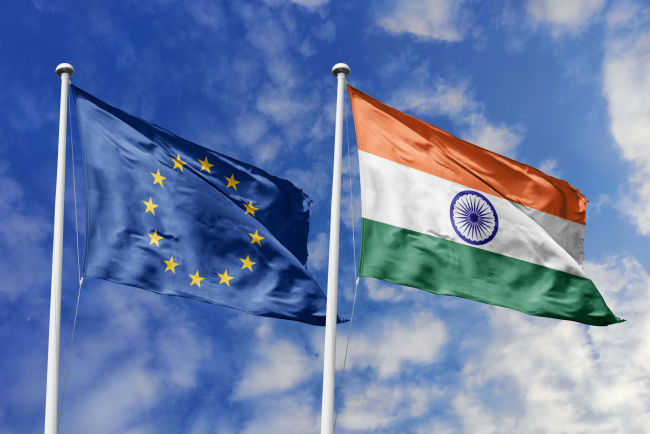
The EU–India Defense Partnership in an Evolving Security Environment
On 27 January 2026, the European Union and India signed a Security and Defence Partnership on the sidelines of the EU-India Summit. This agreement marks an important step in the evolution of the strategic partnership between the two sides, placing security and defence at the heart of a relationship that has until now been driven primarily by trade and economic cooperation.
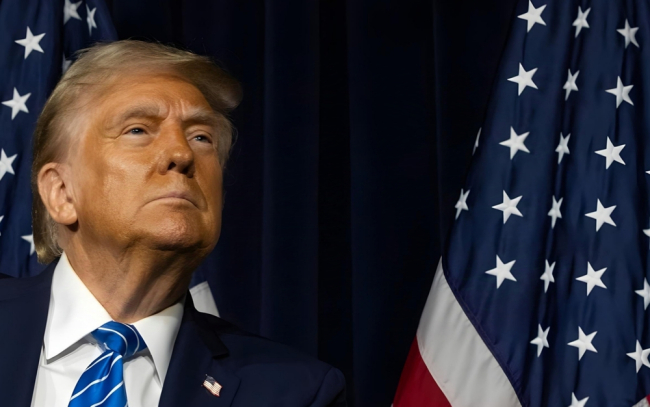
One Month Ahead of the Midterms: Where Is Trump’s America Headed?
The 24th edition of the Ifri Americas Programme Annual Conference will examine the dynamics at play in the United States and their implications for Europe and the transatlantic relationship. will examine the dynamics at play in the United States and their implications for Europe and the transatlantic relationship.