





Practical information
Related centers and programs
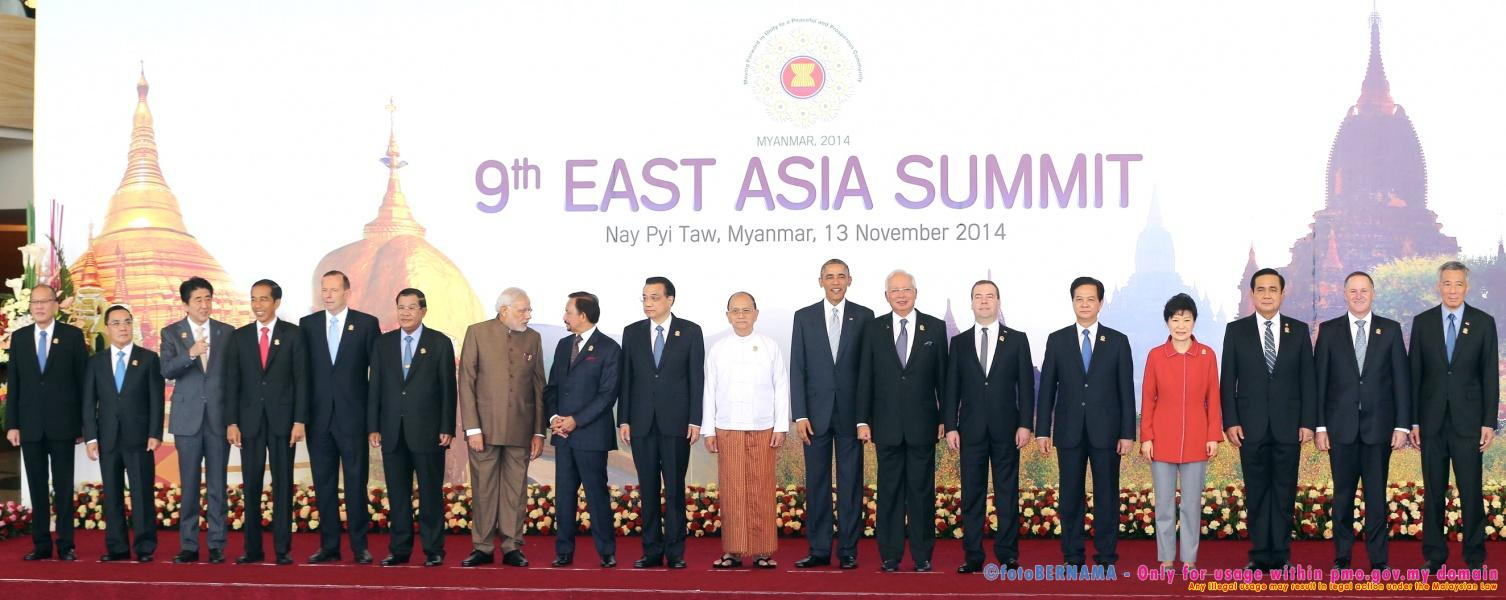
Asia’s future will be largely determined by the visions and strategies of key actors in the region and their ability to inspire and shape the regional order in the years and decades to come. In this context, Ifri is piloting a discussion with experts from a range of major players in Asia to exchange views on the course of Asian regionalism, and the geopolitical, economic and security factors that are simultaneously bringing the region together and splitting it apart.
9:45 Opening Remarks
Dominique David, Executive Vice President, Ifri
Justin Vaïsse, Director of Policy Planning (CAPS), French Ministry of Foreign Affairs
H.E. Michel Ching-long Lu, Representative, Taipei Representative Office in France
Morning Session
Debate: Competing visions of regionalization in Asia
10:15-12:30
- Visions and strategies of key regional actors towards regional integration in Asia
- Geopolitics of regionalization and the shifting balance of power
Wook Chae, Professor, Graduate School of Pan-Pacific International Studies, Kyung Hee University, Former President (2008-2013), Korea Institute for International Economic Policy (KIEP)
Euan Graham, Senior Fellow, Maritime Security Programme, Rajaratnam School of International Studies (RSIS)
Richard W.X. Hu, Professor, Department of Politics and Public Administration, The University of Hong Kong
Christopher Johnson, Senior Advisor and Freeman Chair in China Studies, Center for Strategic and International Studies (CSIS), and Managing Director for China, Bower Group Asia
Francis Yi-hua Kan, Associate Research Fellow, Institute of International Relations, National Chengchi University
Toshiro Iijima, Deputy Director-General, Japan Institute of International Affairs (JIIA)
GVC Naidu, Professor of International Relations, Jawaharlal Nehru University, New Delhi
Simon Tay, Chairman, Singapore Institute of International Affairs (SIIA), Associate Professor of Law, National University of Singapore
Debate led by Marc Epstein, Foreign News Editor, L'Express
Lunch break
12:30-14:00
Afternoon sessions
Panel 1. A new impetus for economic/trade integration in Asia?
14:00-15:30
- Competing for leadership in economics and trade
- Horizontal regionalization: the changing integration of production networks
- Bottom-up VS top-down regionalization: Does Asia need institutions for economic governance?
Wook Chae, Professor, Graduate School of Pan-Pacific International Studies, Kyung Hee University, Former President (2008-2013), Korea Institute for International Economic Policy (KIEP)
Chun-fu Chang, Economic Counselor, Ministry of Economic Affairs, Taiwan
Yukiko Fukagawa, Professor, Graduate School of Economics, Waseda University
Françoise Nicolas, Senior Economist and Director, Center for Asian Studies, Ifri
Chair: Hubert Testard, Counselor, French Ministry of Economy and Finance
Panel 2. Pulling together or falling apart – Responding to Asia’s growing security challenges
15:45-17:15
- The danger of nationalism, historical animosity and territorial disputes
- The growing security cooperation in the region
- Does Asia need stronger mechanisms for security cooperation and dialogue?
Euan Graham, Senior Fellow, Maritime Security Programme, Rajaratnam School of International Studies (RSIS)
Richard W.X. Hu, Professor, Department of Politics and Public Administration, The University of Hong Kong
Francis Yi-hua Kan, Associate Research Fellow, Institute of International Relations, National Chengchi University
GVC Naidu, Professor of International Relations, Jawaharlal Nehru University, New Delhi
Chair: Jean-Christophe Noël, Advisor for Strategic Affairs, Policy Planning Staff (CAPS), French Ministry of Foreign Affairs
Scroll down to read the PPT presentations of the participants:
Related Subjects
Other events
COP31 in Antalaya: State of the Global Climate Governance, Issues, Perspectives
COPs have become a year-end marathon to revigorate a world now entering the era of climate overshoot. While Türkiye exhibits the largest coal-fired power generation in OECD Europe, it has embraced the electrification agenda and aims at joining forces with Australia on fostering action and implementation. This is an unusual de facto co-presidency arrangement, but one that could yield promising results. This webinar will take stock of what climate governance has achieved and of the issues still to be negotiated, and explore what impetus this Turkish–Australian partnership could provide.
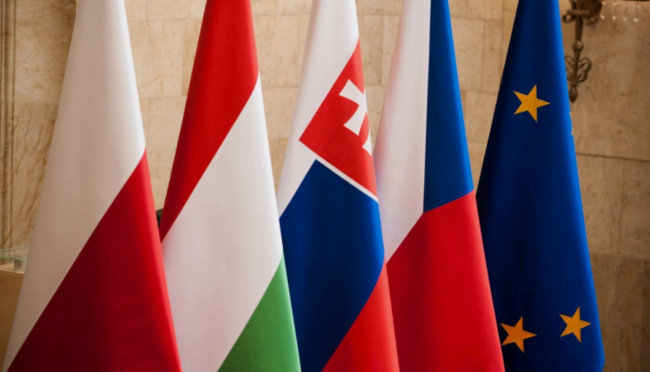
A New Moment for Central Europe? Regional Cooperation in a Time of European Strategic Choices
Recent political developments in Central Europe have revived the debate about the future of regional cooperation and the Visegrád Group. Changes in Hungary, Poland, the Czech Republic and Slovakia, together with Austria’s growing interest in closer cooperation with its neighbours, could create new opportunities for dialogue and coordination around shared priorities.