





Practical information
Themes and regions
Related centers and programs
Faced with an unprecedented environmental, sanitary and economic crisis, the European Union is determined to turn the challenges into an opportunity: adopting the 750 billion EUR European recovery plan and making the Green Deal centre stage.

The European Commission’s EU Strategy for Energy System Integration published on 08 July 2020 has been timely and critical: achieving climate neutrality requires connecting the missing links in the energy system. But with mounting costs, not least for the decarbonisation of electricity generation, the roll out of clean hydrogen and the electrification of end-uses, it is paramount that market rules incentivize a smart planning and operation of the system as a whole.
Ifri’s webinar aims to discuss some of the policy adjustments needed to foster the smart energy system integration.
Chair: Marc-Antoine Eyl-Mazzega, Director, Center for Energy & Climate, Ifri
- Marine Binet, Head of EU office, RTE
- Malte Nyenhuis, Senior Adviser European Energy Policy, German Association of Energy- and Water Industries BDEW
- Pierre Loaëc, Policy Officer, Directorate-General Energy, European Commission
Moderation: Carole Mathieu, Head of EU energy & climate policies, Ifri
This webinar will be held in English.
Find out more
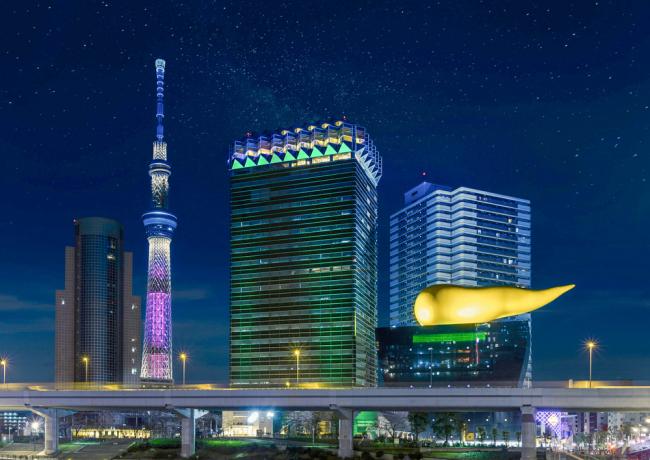
Japan’s Hydrogen Society Ambition: 2020 Status and Perspectives
Japan has been steadfastly promoting the development of its hydrogen economy at all levels: political, diplomatic, economic and industrial. It is yet to be seen if this excitement can be turned into a credible, cost-effective and large scale deployment.
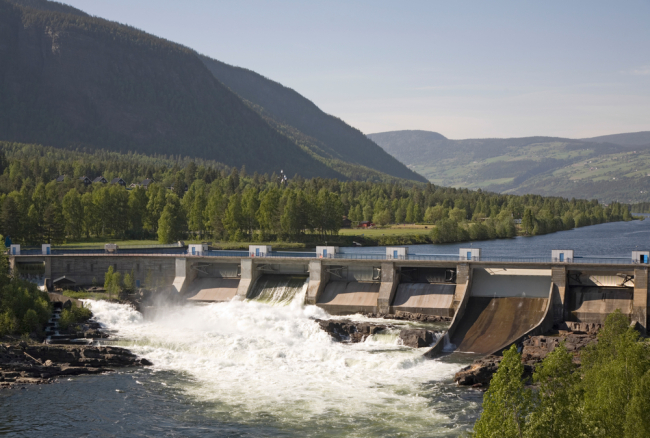
Norway as a Decarbonization Hub for the European Union
The European Union (EU) is committed to reach climate neutrality by 2050. Similarly, Norway aims to create a zero-emission society by that same year.
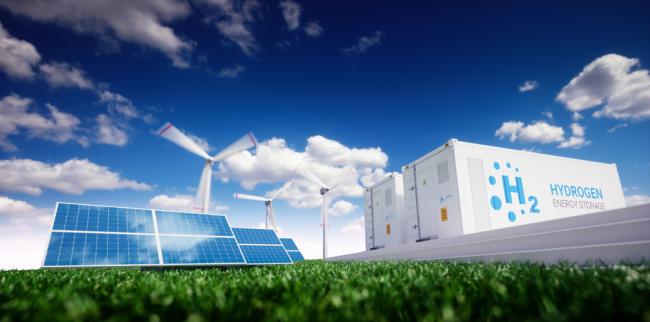
Perspectives on a Hydrogen Strategy for the European Union
There is now a wide understanding that larger use of clean hydrogen in future can be an important mean to achieve decarbonisation of the European economy.
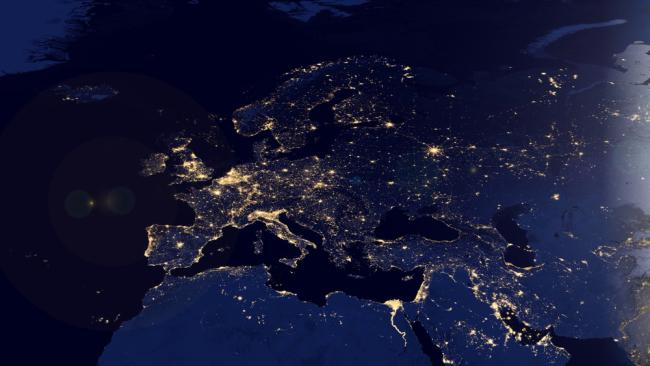
The Green Deal’s External Dimension. Re-Engaging with Neighbors to Avoid Carbon Walls
The European Union (EU)’s Green Deal is a game changer with attention so far focused on forthcoming actions plans, the Climate Law, financial resources, the revision of the 2030 targets and of the emissions trading system (ETS).
Related Subjects
Other events
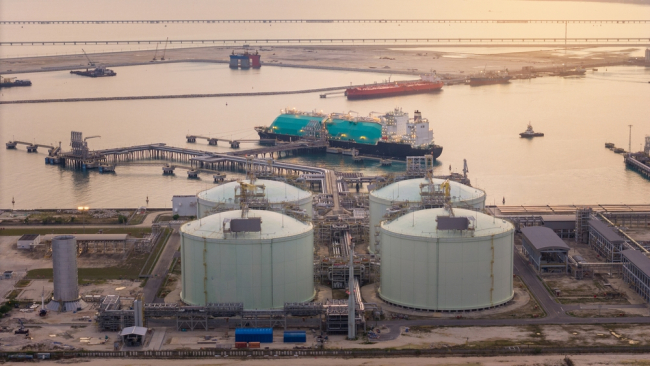
Europe Bracing for a Tough Winter: Prospects for Tighter Oil and Gas Markets
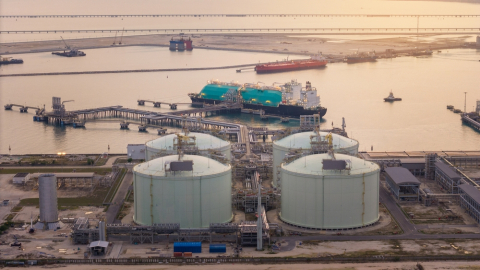
Summer witnessed a sharp escalation in the Russia-Europe confrontation, amidst continued partial closure of Hormuz and major extreme weather events. Oil and gas prices are high, and the price and supply outlooks for Europe this winter are very challenging for oil products, LNG and possibly, electricity markets which see growing contamination from the Hormuz crisis and growing risks of disbalances. Moreover, the phase-out of Russian gas supplies comes with renewed risks.
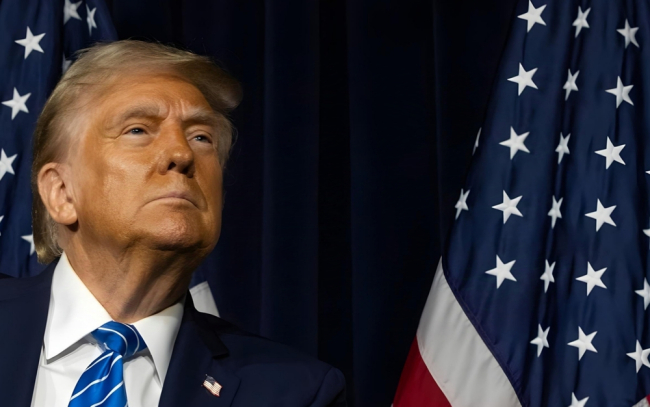
One Month Ahead of the Midterms: Where Is Trump’s America Headed?
The 24th edition of the Ifri Americas Programme Annual Conference will examine the dynamics at play in the United States and their implications for Europe and the transatlantic relationship. will examine the dynamics at play in the United States and their implications for Europe and the transatlantic relationship.
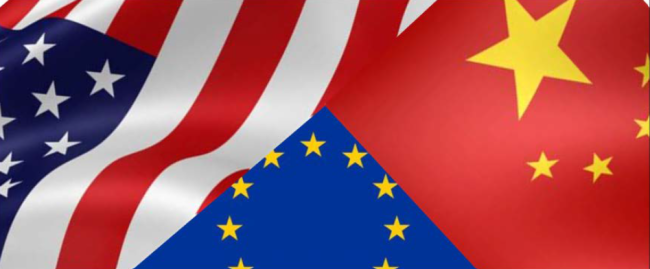
The EU in a World of Economic Warfare: Trade, Geopolitics, and the Battle for Economic Sovereignty
The international trading system has become a primary theatre of geopolitical competition. Tariffs, sanctions, and technology controls have replaced dialogue as the default instruments of economic relations.