




The EU’s Power System by 2030: Navigating the Crisis and Keeping the Decarbonization Cap

Practical information
The combination of the climate crisis and Russia’s war in Ukraine makes the case for a much faster transition to a fully decarbonized power system.
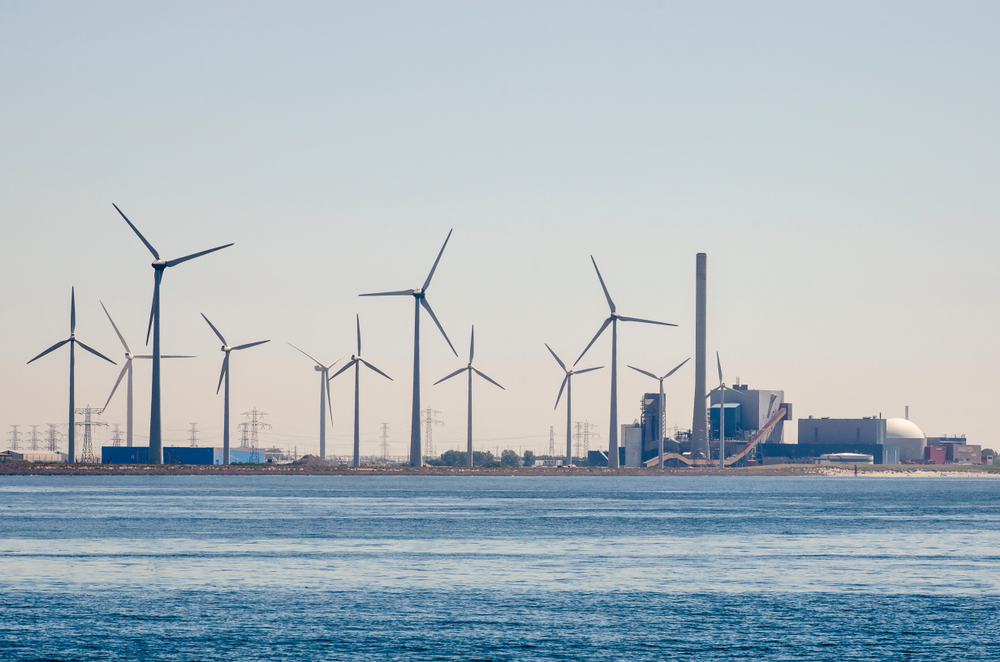
To get there, the European Union must deliver a massive scale up of its renewable electricity generation capacity and upgrade of its grids, while phasing out dispatchable fossil fuel assets and enhancing the electrification of energy demand.
Yet, making 2030 the new 2035 comes with significant implementation hurdles at a time when supply chains are severely disrupted, raw material costs soar, interest rates increase, and questions arise as to whether the current market design is still fit for purpose.
This event co-organised by EIT InnoEnergy and the Ifri Center for Energy & Climate will explore the implications of the REPowerEU plan for the power sector in a context of increasing sector integration and discuss policy responses to security of supply and industrial challenges.
AGENDA
13:30 Welcome coffee
14:00 Welcome remarks by EIT InnoEnergy and Ifri
14:05 Introductory remarks by MEP Claudia Gamon
14:20 Introductory remarks by Stefano Soro, Head of Green and Circular Economy Unit,
DG GROW, European Commission
14:30 Panel discussion #1 - Market design options and technology solutions to get through the crisis and cover growing flexibility needs
- Paula Ceballos Coloma, Internal Energy Market Unit, DG ENER, European Commission
- Pierre-Laurent Lucille, Chief Economist, Engie
- Johan Söderbom, Thematic Leader Smart Grids & Storage, EIT InnoEnergy
- Frauke Thies, Executive Director, Agora Energiewende
- Fabienne Salaun, Economist, Strategy Department, EDF
Moderation: Diana Gherasim, Research Fellow, Center for Energy & Climate, Ifri
15:45 Coffee break
16:00 Panel discussion #2 - Strengthening the EU's industrial capacities to match its power decarbonization and system integration ambitions
- Marc-Antoine Eyl-Mazzega, Director, Center for Energy & Climate, Ifri
- Luca Demicheli, Green and Circular Economy Unit, DG GROW, European Commission
- Gøran Bye, CEO, Norwegian Crystals
- Patrick Crombez, General Manager Heating & Renewables SBU, Daikin Europe
- Olivier Grabette, Senior Executive Vice-President in charge of European industrial affairs, RTE
- Jon Lezamiz, Head of Public Affairs, Siemens Gamesa
Moderation: Philippe Bozier, Public Infrastructure and Project Finance Leader, Mazars
17:15 Closing remarks by MEP Christophe Grudler
17:30 Cocktail Reception
Registration is closed. For more information on the event, please contact Lea Metke ([email protected]).
Related Subjects
Other events
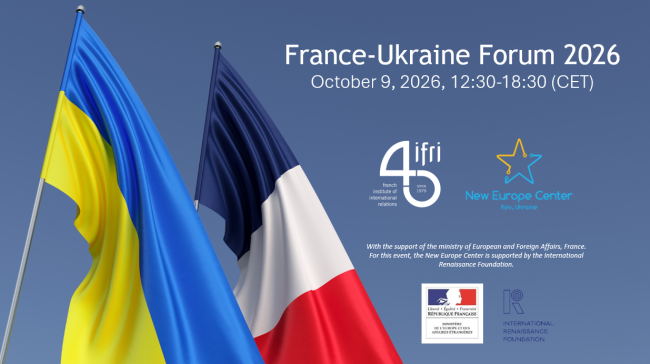
France-Ukraine Forum 2026
More than four and a half years after the start of the full-scale war launched by Russia against Ukraine, the 2026 France-Ukraine Forum will bring together policymakers, experts, academics, and civil society representatives from both countries to discuss three main topics: the formats and conditions for a lasting diplomatic settlement; Ukraine’s Euro-Atlantic integration, encompassing both the EU accession process and closer ties with NATO; and the societal transformations of postwar Ukraine, as well as its prospects for reconstruction.
The EU in a World of Economic Warfare: Trade, Geopolitics, and the Battle for Economic Sovereignty
The international trading system has become a primary theatre of geopolitical competition. Tariffs, sanctions, and technology controls have replaced dialogue as the default instruments of economic relations.
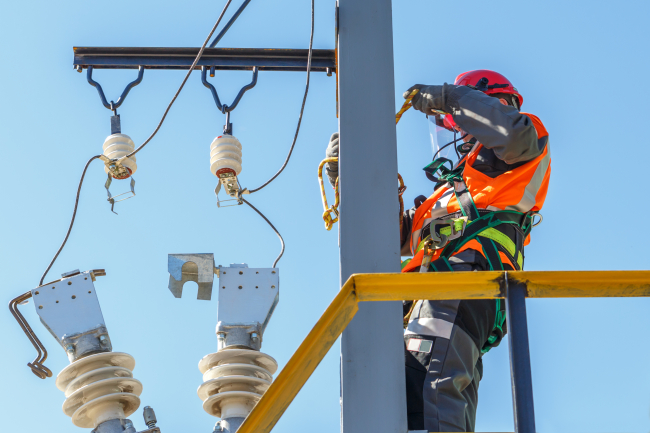
The Road to 27 Electrification Action Plans: Planning and Investing in Europe’s Electric Future
The European Commission’s Electrification Action Plan places the continent on an electric path to structurally reduce dependence on fossil fuel imports and boost the energy transition in industry, transport and buildings.