





Investing in the development of solar energy in sub-Saharan Africa to achieve full potential

Practical information
Scaling up reliable, low-carbon and affordable electricity is essential for the economic and social development of sub-Saharan Africa.
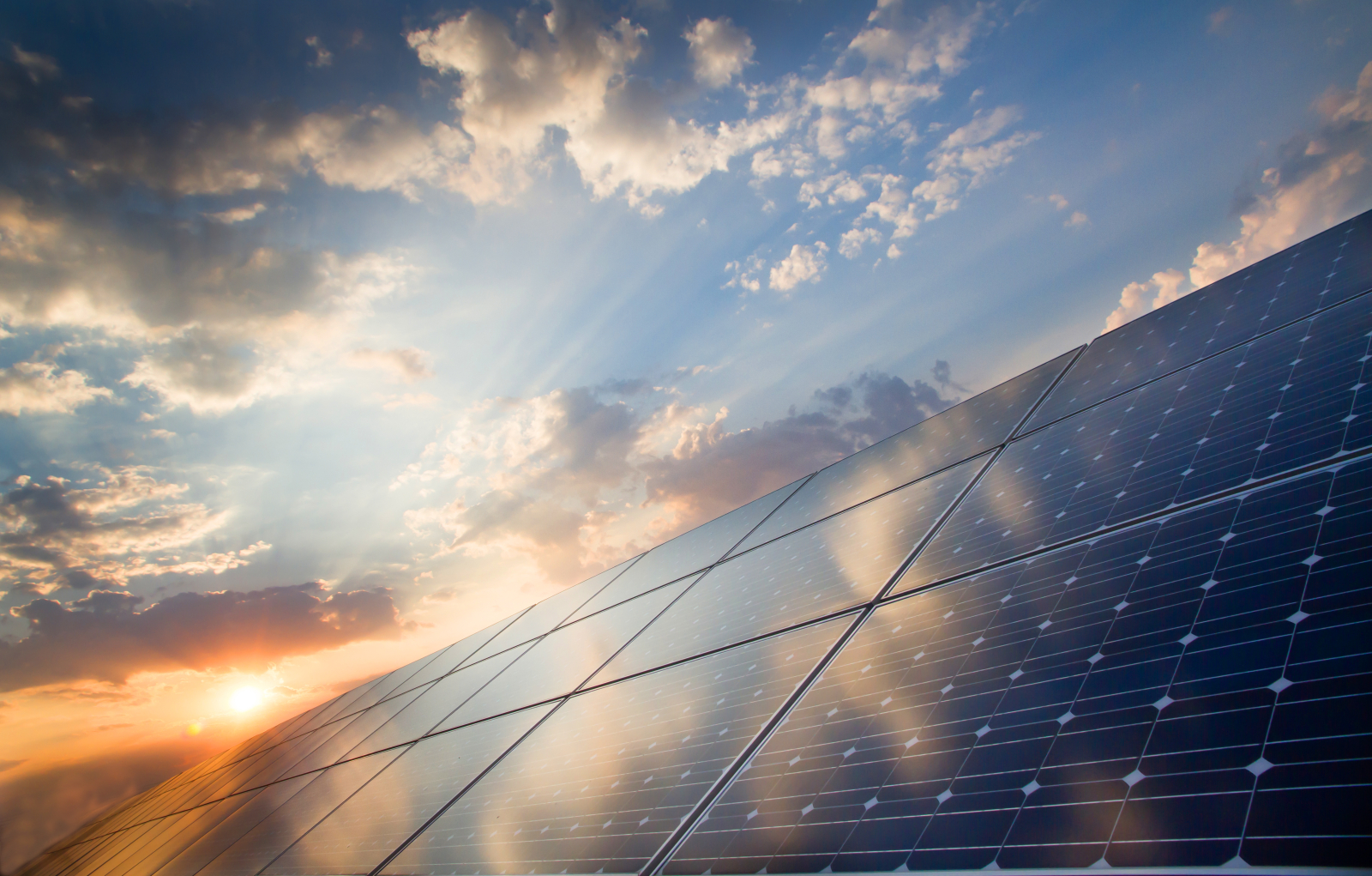
Scaling up reliable, low-carbon and affordable electricity is essential for the economic and social development of sub-Saharan Africa. An enabling investment framework alongside good coordination between the public and private actors, as well as between the industry’s business segments are all essential conditions for the multiplication of solar projects. A change of scale is highly needed but the Covid-19 related crises will have major repercussions on the economies of sub-Saharan countries and possibly on the development of solar projects. Hence why coordination and recovery strategies will play a key role for the future of solar electricity in the region.
This debate will be held in English.
Speakers:
- Dr. Jan Martin Witte, Director Central Africa and Regional Funds, KfW
- Stefan Rajaonarivo, Senior Investment Officer, IFC
- Christophe Fleurence, Vice-President, Business Development, Africa, Total Eren
- Xavier Mallet, Head of Strategy & ESR, Engie Afrique
Introduction by Marc-Antoine Eyl-Mazzega, Director of the Center for Energy & Climate, Ifri
Moderated by Hugo Le Picard, Research Fellow, Center for Energy & Climate, Ifri
Other events
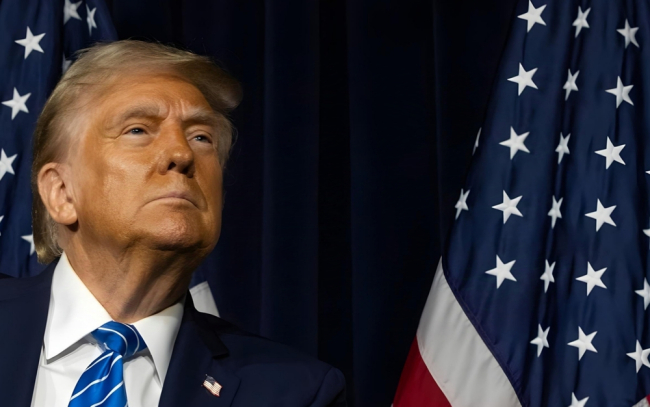
One Month Ahead of the Midterms: Where Is Trump’s America Headed?
The 24th edition of the Ifri Americas Programme Annual Conference will examine the dynamics at play in the United States and their implications for Europe and the transatlantic relationship. will examine the dynamics at play in the United States and their implications for Europe and the transatlantic relationship.
France-Ukraine Forum 2026
More than four and a half years after the start of the full-scale war launched by Russia against Ukraine, the 2026 France-Ukraine Forum will bring together policymakers, experts, academics, and civil society representatives from both countries to discuss three main topics: the formats and conditions for a lasting diplomatic settlement; Ukraine’s Euro-Atlantic integration, encompassing both the EU accession process and closer ties with NATO; and the societal transformations of postwar Ukraine, as well as its prospects for reconstruction.
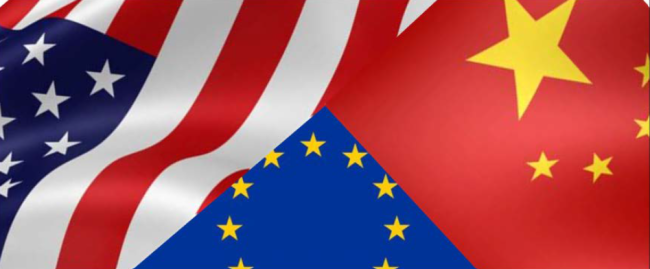
The EU in a World of Economic Warfare: Trade, Geopolitics, and the Battle for Economic Sovereignty
The international trading system has become a primary theatre of geopolitical competition. Tariffs, sanctions, and technology controls have replaced dialogue as the default instruments of economic relations.