






Practical information
This event is dedicated to the Russia/NIS Centre Corporate supports. By personal invitation only.
A seminar with Dr. Celeste WALLANDER, President and CEO of the U.S.-Russia Foundation, Special Assistant to the President and Senior Director for Russia/Eurasia on the National Security Council (2013-2017).

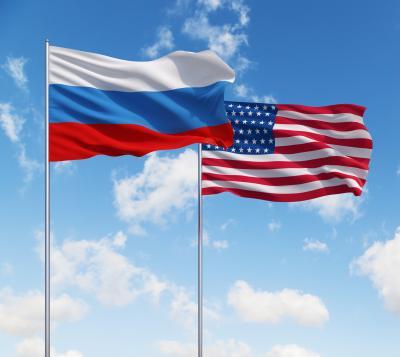
Barack Obama’s presidency was marked by a deterioration of U.S.-Russian relations, in particular following the Ukraine crisis. Despite the intentions of Trump during his campaign for a rapprochement with Moscow, his first days in office have been derailed by Russian interference in the U.S. elections and the alleged links between Trump’s inner circle and the Kremlin. Given these setbacks, how are U.S.-Russian relations progressing in the context of several key issues at stake (INF, Ukrainian crisis, Syria, strategic stability, etc.)?
Chair: Tatiana KASTOUÉVA-JEAN, Head of Ifri’s Russia/NIS Center
This seminar will be held in English under the Rule of Chatham House.
This event will be held within the framework of the “Observatoire Russie, Europe orientale et Caucase” with the support of DGRIS (Directorate General for International Relations and Strategy), French Ministry of Defence.
Related Subjects
Other events
One Month Ahead of the Midterms: Where Is Trump’s America Headed?
The 24th edition of the Ifri Americas Programme Annual Conference will examine the dynamics at play in the United States and their implications for Europe and the transatlantic relationship. will examine the dynamics at play in the United States and their implications for Europe and the transatlantic relationship.
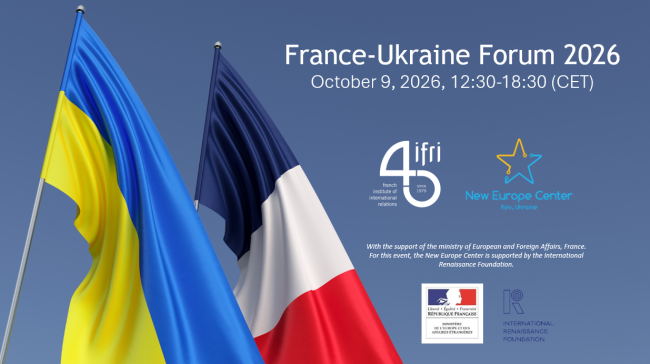
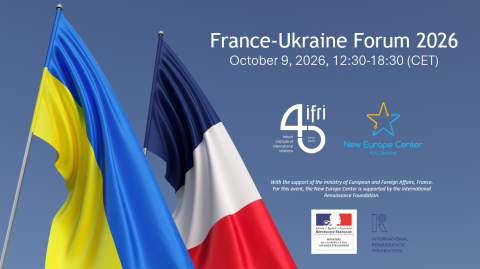
France-Ukraine Forum 2026
More than four and a half years after the start of the full-scale war launched by Russia against Ukraine, the 2026 France-Ukraine Forum will bring together policymakers, experts, academics, and civil society representatives from both countries to discuss three main topics: the formats and conditions for a lasting diplomatic settlement; Ukraine’s Euro-Atlantic integration, encompassing both the EU accession process and closer ties with NATO; and the societal transformations of postwar Ukraine, as well as its prospects for reconstruction.
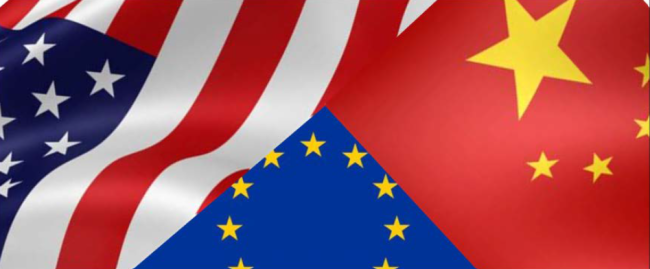
The EU in a World of Economic Warfare: Trade, Geopolitics, and the Battle for Economic Sovereignty
The international trading system has become a primary theatre of geopolitical competition. Tariffs, sanctions, and technology controls have replaced dialogue as the default instruments of economic relations.