





Practical information
This event is dedicated to the Russia/NIS Centre Corporate supports. By personal invitation only.
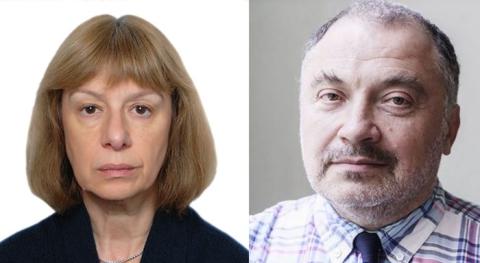
A round table with Maria Lipman, political scientist, Editor-in-Chief of Counterpoint journal, published by the Institute for European, Russian and Eurasian Studies, George Washington University and Nikolay Petrov, professor of political science at the Higher School of Economics, Moscow.
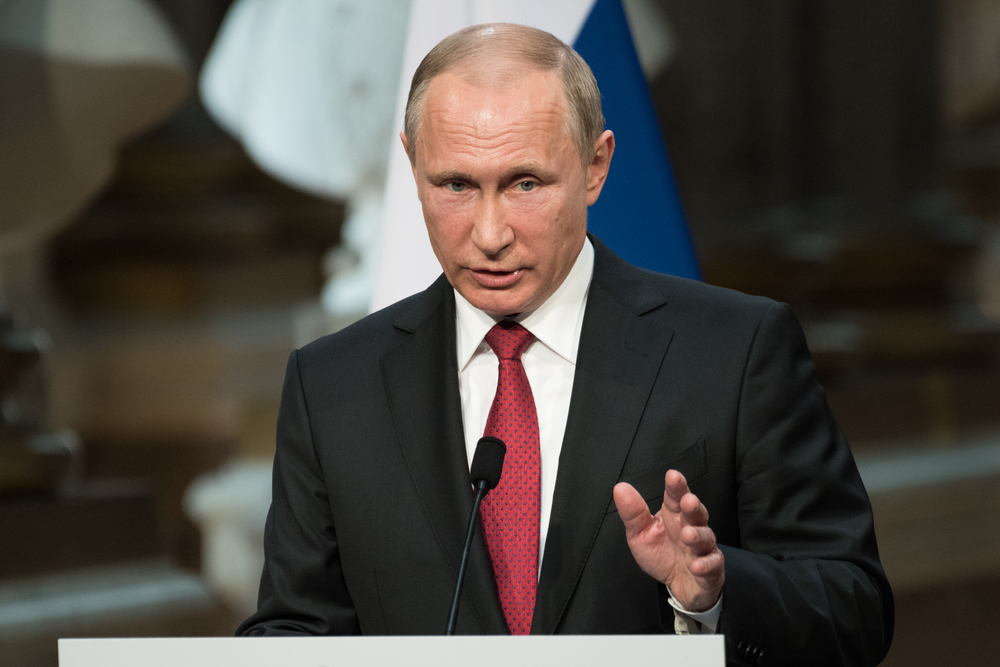
The presidential elections of March 2018 should enshrine V. Putin's hold on power for a fourth mandate. However, if the concluding one was dominated by the return of the Russian power on the international stage, the next one could well be marked by tensions linked to V. Putin's probable succession in 2024. Foreign policy, which was at the center of his renewed popularity, will remain a mainstay of Russian strategy, but a period of political uncertainty looms on the horizon for the Kremlin, driven by an exacerbation of the struggle for power among the elites in a difficult economic and social environment.
Chair : Tatiana KASTOUÉVA-JEAN, Head of Ifri’s Russia/NIS Center
This seminar will be held in English under the Rule of Chatham House.
This event will be held within the framework of the “Observatoire Russie, Europe orientale et Caucase” with the support of DGRIS (Directorate General for International Relations and Strategy), French Ministry of Defence.