




Practical information
Since taking over as head of the Ethiopian government in April 2018, Abiy Ahmed has increased his openness: the lifting of the state of emergency, the release of political prisoners, the announcements of economic openness and privatization of national enterprises. Regarding foreign policy, Abiy Ahmed surprisingly initiated a historic rapprochement with Eritrea.
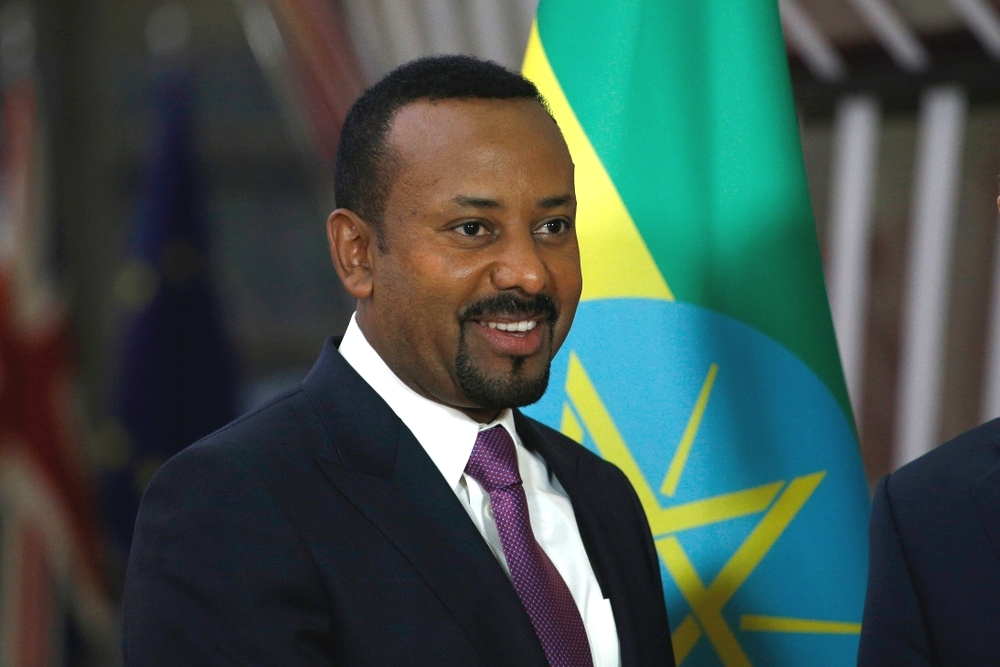
As Ethiopia was stranded in a severely repressed wave of protests with unprecedented scale and duration, the new government seems to break the circle of violence and raises tremendous hopes. Regarding the economic situation, the international media portrays an "African tiger" with spectacular growth rates, engaged in a promising privatization process. But what is really going on behind these signs of openness? To what extent do they promise a profound change? In which direction is the State of Ethiopia heading? The situation is all the more uncertain as inequalities and tensions persist in the country. This conference questions the current period of reorientations of the Ethiopian state, in political and economic terms.
14h-16h What political openness?
René Lefort, Journalist and Independent Researcher
Merera Gudina, Associate Professor, University of Addis Ababa and Chairman, Oromo Federalist Congress
Mehdi Labzaé, Researcher, University Paris 1, Panthéon-Sorbonne
16h15-18h30 Towards neoliberal Ethiopia?
Olivier Poujade, President of EAGate Holdings SAS and co-founder of East Africa Gate, Vice President of the French Business Club in Ethiopia
Edegilign Hailu Woldegebrael, Researcher, Paris-Nanterre University
Sabine Planel, Researcher, Institute of Research for Development, Institute of African Worlds
Chair: Clélie Nallet, Researcher, Ifri
The conference will be in French and in English with a translation from French into English
Other events
COP31 in Antalaya: State of the Global Climate Governance, Issues, Perspectives
COPs have become a year-end marathon to revigorate a world now entering the era of climate overshoot. While Türkiye exhibits the largest coal-fired power generation in OECD Europe, it has embraced the electrification agenda and aims at joining forces with Australia on fostering action and implementation. This is an unusual de facto co-presidency arrangement, but one that could yield promising results. This webinar will take stock of what climate governance has achieved and of the issues still to be negotiated, and explore what impetus this Turkish–Australian partnership could provide.