




Practical information

On the 10th of May, controversial Jacob Zuma will celebrate his first year as President of the Republic of South Africa; position where many analysts did not think he would fit the job. What is the situation one year later? While he claims to be in Nelson Mandela's tradition, Marianne Séverin will question if he wouldn't rather be the "original copy" of his predecessor Thabo Mbeki - ex-friend for about 30 years, and if Zuma has really operated a shift within the administration?
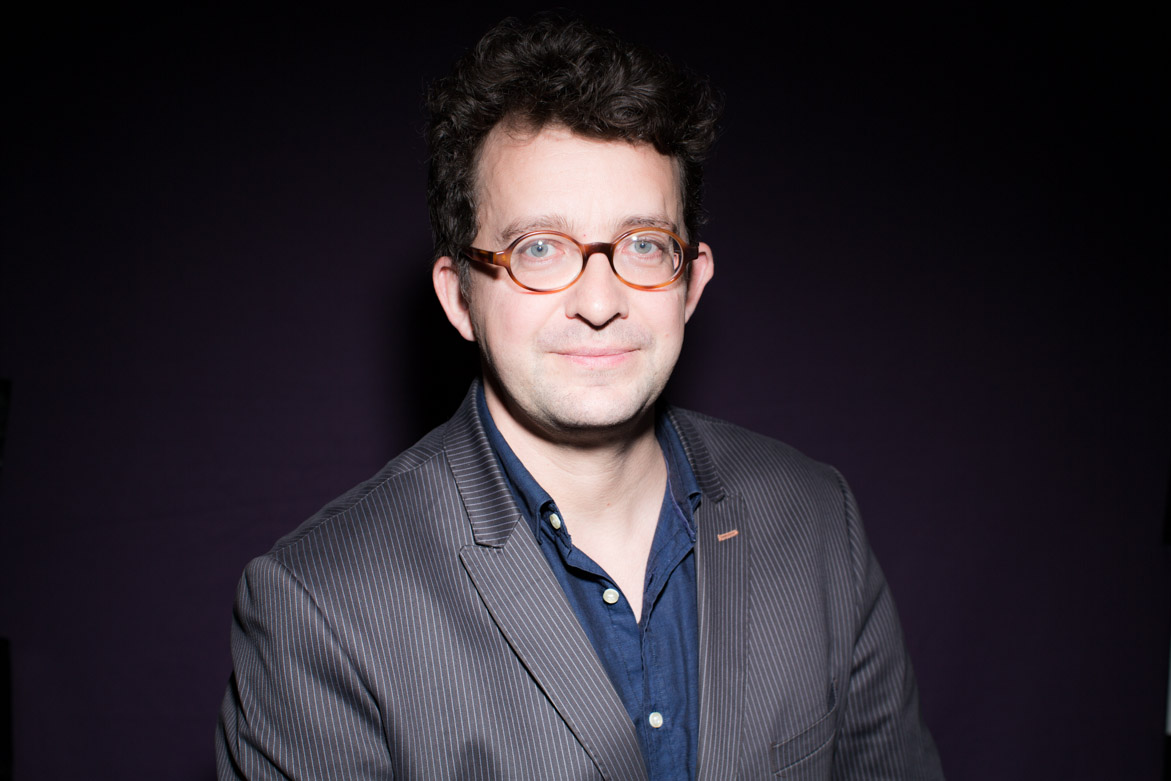
Around Marianne Séverin, Doctor in Political Sciences, Consultant and Research Fellow at the African Studies Center of Bordeaux Political Studies School. Her 2006 Phd Thesis was named: ANC networks (1910-2004) - An History of leadership-building in the new South Africa". There is a link towards her last paper:
La nouvelle ère politique sud-africaine : Des élections d’avril 2009 aux premiers pas du nouveau Président Jacob Zuma, Fondation Jean-Jaurès, march 2010
Chairman: Alain Antil, Head of Ifri's Sub-Saharan African program
Speakers
Other events
Managing nuclear escalation: what's in intrawar deterrence?
Since the return of high-intensity warfare in Europe and the rise of strategic tensions in the Indo-Pacific, the issue of managing escalation between nuclear powers has taken center stage in U.S. strategic thinking and, to a lesser extent, in the European one.
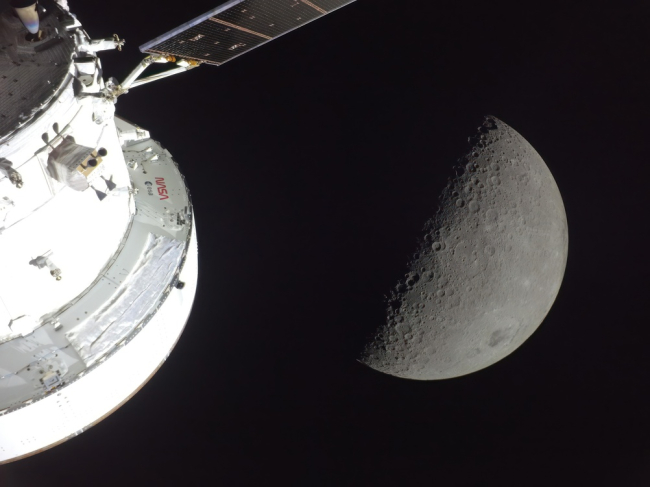
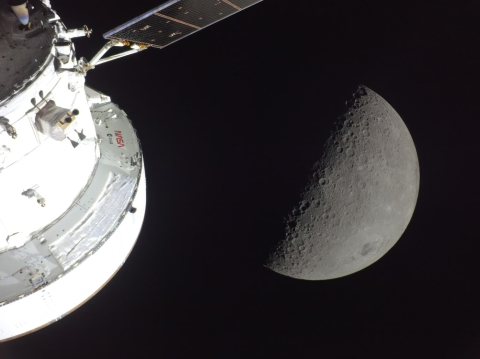
Geopolitical stakes of the New Moon race
As the United States, China, and India solidify their lunar ambitions, Europe is still seeking to define its stance: should it be a reliable partner or an autonomous strategic player? This conference will examine the stakes of this new race to the Moon and Europe’s interest in asserting itself as a lunar power through partnerships, industrial ambitions, and whether its participation in the new lunar race serves as a lever for strategic autonomy and internal cohesion, or an illustration of its dependence.