






The digital transformation of sub-Saharan electricity networks: Smart Grids for sustainable cities

Practical information
Affordable and reliable electricity access is a prerequisite for the development of sustainable cities in sub-Saharan Africa. Improving the financial and operational viability of the region’s power sectors is a prerequisite for the multiplication of solar projects.
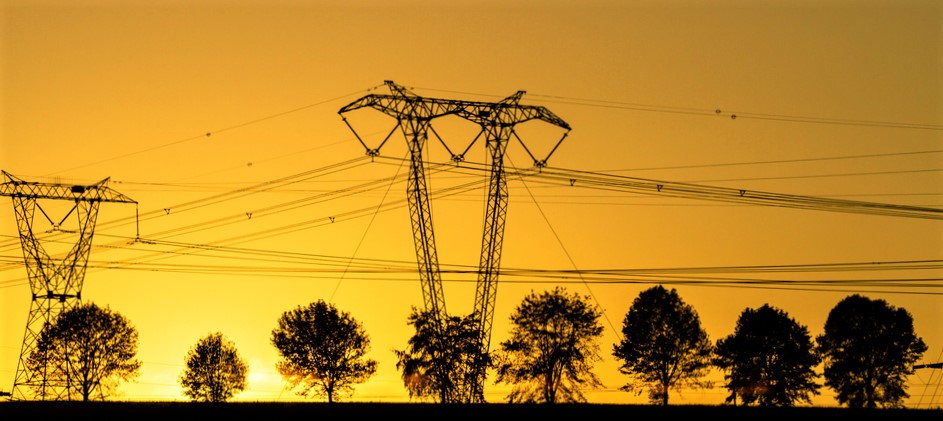
In this regard, the digital transformation taking place in Africa and which affects all segments of the electricity sector value chain, offers many opportunities. It should enable obsolete sub-Saharan networks to evolve towards smart grids. However, these developments will not be straightforward. This webinar will discuss how networks can be improved in the short-term while facilitating their gradual evolution towards smart grids.
Speakers:
- Oumar Sylla, Acting Director Regional Office for Africa, UN-Habitat
- Nat-Sy Missamou, Energy Director, Orange Middle East and Africa
- Moussa Bagayoko, General Director, Yélé Consulting
- Shawn Papi, Senior Technologist Smart Metering, Eskom
- Anthony Mburu, General Director & Founder, Enerstore Africa
Chair: Hugo Le Picard, Research Fellow, Center for Energy & Climate, Ifri
Webinar held in English from 15:00 to 17:00 CEST.
The day prior to the debate, registered participants will receive the link to join the session.
Find out more
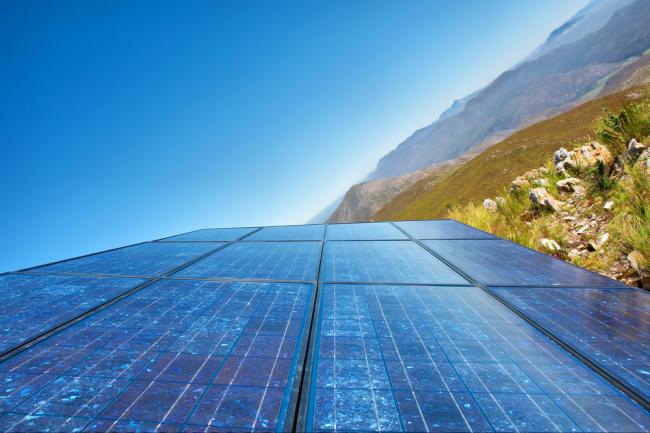
Solar Power in Sub-Saharan Africa after COVID-19: Healing the Ills of the Sector
The electrification of sub-Saharan Africa is one of the great challenges of the 21st century. It is essential if we are to succeed in creating the 20 million jobs each year necessary to absorb the demographic growth of the region,[1] which is set to have 2.1 billion inhabitants in 2050, compared to 1.1 billion today.[2]
Other events

France-Ukraine Forum 2026
More than four and a half years after the start of the full-scale war launched by Russia against Ukraine, the 2026 France-Ukraine Forum will bring together policymakers, experts, academics, and civil society representatives from both countries to discuss three main topics: the formats and conditions for a lasting diplomatic settlement; Ukraine’s Euro-Atlantic integration, encompassing both the EU accession process and closer ties with NATO; and the societal transformations of postwar Ukraine, as well as its prospects for reconstruction.

The EU in a World of Economic Warfare: Trade, Geopolitics, and the Battle for Economic Sovereignty
The international trading system has become a primary theatre of geopolitical competition. Tariffs, sanctions, and technology controls have replaced dialogue as the default instruments of economic relations.
The Road to 27 Electrification Action Plans: Planning and Investing in Europe’s Electric Future
The European Commission’s Electrification Action Plan places the continent on an electric path to structurally reduce dependence on fossil fuel imports and boost the energy transition in industry, transport and buildings.