





What to expect from the COP26 Climate Conference? Shifts in global attitudes and diplomatic strategies

Practical information
Themes and regions
Related centers and programs
In spite of President Biden’s Leaders Summit in April, there has been little improvement in national climate pledges. The world is still heading for a >2.5°C warming and the 1.5°C trajectory looks increasingly unlikely, if not impossible. Chances to bridge the pledges gap before COP26 in Glasgow from 1 to 12 November 2021 are limited and climate talks are now at risk of being derailed by the pandemic, the US-China rivalry, tensions over climate finance and the looming energy price crisis.

However, the latest survey from the Pew Research Center also confirms that a record high share of citizens in advanced economies are greatly concerned about the impact of climate change. This webinar will discuss these shifts in global perception, their influence on international climate negotiations and the implications for Europe’s climate diplomacy.
Chair: Marc-Antoine Eyl-Mazzega, Director, Center for Energy & Climate, Ifri
- Jacob Poushter, Associate Director, Pew Research Center
- Stéphane Crouzat, French Climate Ambassador
Moderator: Carole Mathieu, Head of EU Policies, Center for Energy & Climate, Ifri
Closed-door videoconference - by invitation only
Related Subjects
Other events
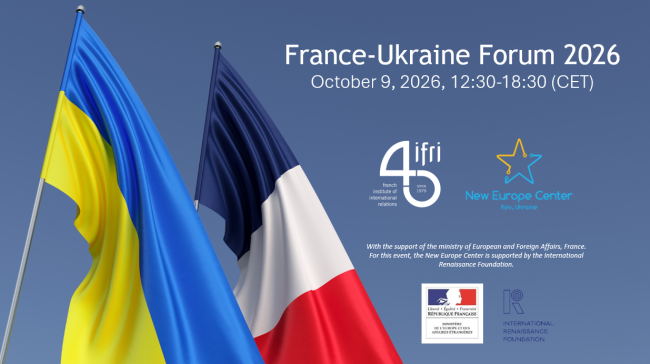
France-Ukraine Forum 2026
More than four and a half years after the start of the full-scale war launched by Russia against Ukraine, the 2026 France-Ukraine Forum will bring together policymakers, experts, academics, and civil society representatives from both countries to discuss three main topics: the formats and conditions for a lasting diplomatic settlement; Ukraine’s Euro-Atlantic integration, encompassing both the EU accession process and closer ties with NATO; and the societal transformations of postwar Ukraine, as well as its prospects for reconstruction.

The EU in a World of Economic Warfare: Trade, Geopolitics, and the Battle for Economic Sovereignty
The international trading system has become a primary theatre of geopolitical competition. Tariffs, sanctions, and technology controls have replaced dialogue as the default instruments of economic relations.
The Road to 27 Electrification Action Plans: Planning and Investing in Europe’s Electric Future
The European Commission’s Electrification Action Plan places the continent on an electric path to structurally reduce dependence on fossil fuel imports and boost the energy transition in industry, transport and buildings.