



European security: from words to deeds - lessons from the Franco-Danish partnership

Practical information
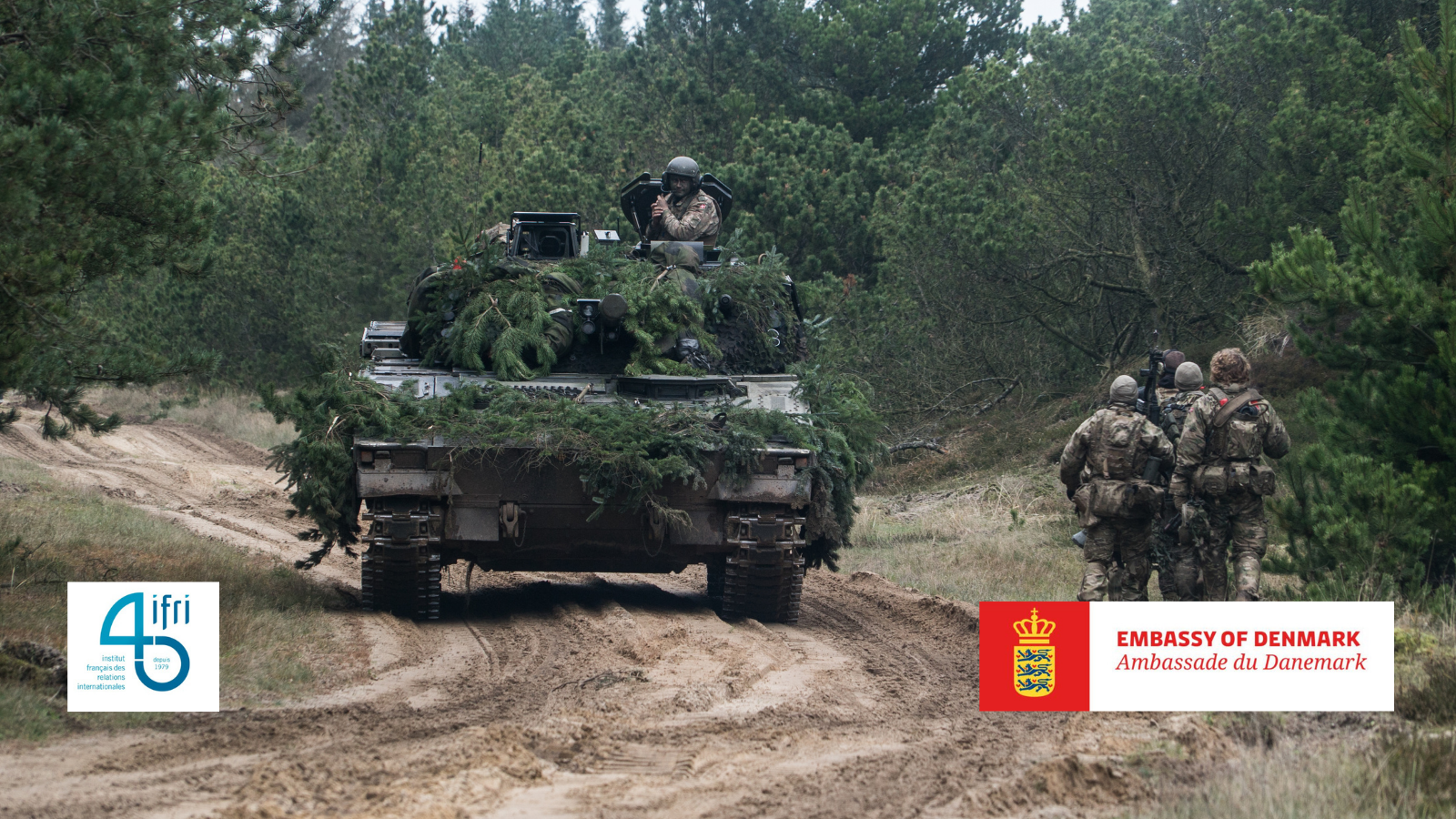
Global power competition, growing unpredictability, mounting military pressures, hybrid threats and the persistence of terrorism... Europe is now facing a deterioration of its strategic environment.
The best way to respond to these challenges remains highly debated and the two main organisations responsible for European security and prosperity, NATO and the EU, are preparing new strategic visions to navigate the troubled waters in the next decade. This provides an opportunity to seek convergence of views among Europeans and chart a way forward.
Denmark and France, members of both the EU and NATO, have different characteristics and approaches, but have managed to build a close cooperation in the field of security and defense. This is encapsulated in the Franco-Danish Declaration on European Security and is exemplified by joint actions in key strategic areas, such as Sahel or the Hormuz Strait.
This conference will bring together representatives of the Danish and French foreign ministries, and experts, to get to grips with the challenges ahead and how the two partners work together to ensure the security of Europe.
Introduction :
Michael Starbæk Christensen, Denmark's Ambassador to France
Participants :
- Christian Grønbech-Jensen, Director of Security Policy, Ministry of Foreign Affairs of Denmark
- Philippe Bertoux, Head of Directorate for Strategic Affairs, Security and Disarmament, Ministry of Europe and Foreign Affairs of France
- Peter Viggo Jakobsen, Associate Professor, Institute for Strategy, Royal Danish Defence College
- Alice Pannier, Research Fellow at IFRI’s Security Studies Center, Head of IFRI's Geopolitics of Technology Program
Présidence :
Thomas Gomart, Director of IFRI
This webinar will be held in English on Zoom. Please click on the pencil icon to register.
Related Subjects
Other events
COP31 in Antalaya: State of the Global Climate Governance, Issues, Perspectives
COPs have become a year-end marathon to revigorate a world now entering the era of climate overshoot. While Türkiye exhibits the largest coal-fired power generation in OECD Europe, it has embraced the electrification agenda and aims at joining forces with Australia on fostering action and implementation. This is an unusual de facto co-presidency arrangement, but one that could yield promising results. This webinar will take stock of what climate governance has achieved and of the issues still to be negotiated, and explore what impetus this Turkish–Australian partnership could provide.
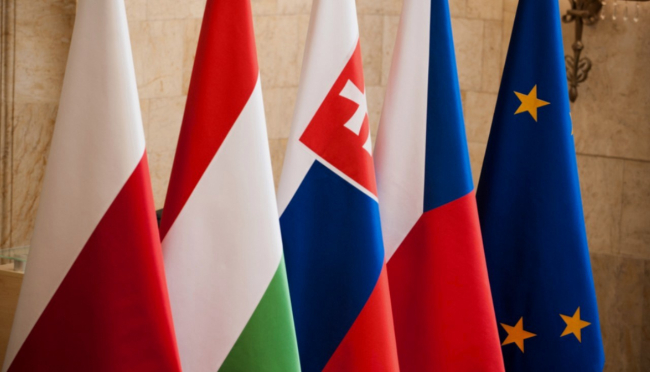
A New Moment for Central Europe? Regional Cooperation in a Time of European Strategic Choices
Recent political developments in Central Europe have revived the debate about the future of regional cooperation and the Visegrád Group. Changes in Hungary, Poland, the Czech Republic and Slovakia, together with Austria’s growing interest in closer cooperation with its neighbours, could create new opportunities for dialogue and coordination around shared priorities.
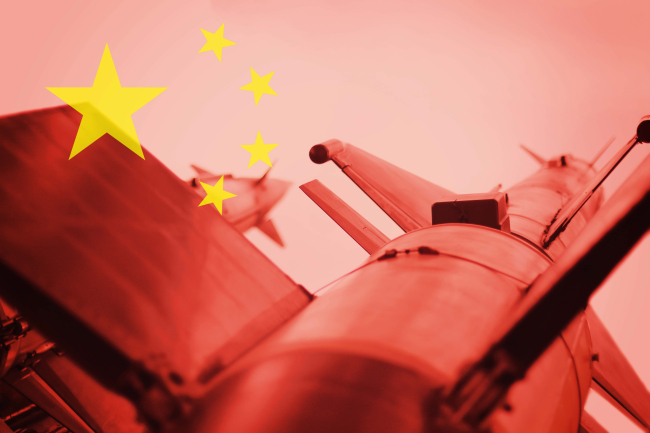
China’s Nuclear Buildup: Developments, Drivers, and Implications for Major-Power Relations and Arms Control
China has been steadily expanding its nuclear arsenal for several years amid levels of geopolitical tension unseen since the end of the Cold War, marked by a resurgence in nuclear proliferation and a broader, global arms race.