


Protection of Refugees and Displaced Persons in Libya: A Challenge for the UNHCR
Practical information
Conference-debate with Roberto Mignone, United Nations High Commissioner for Refugees (UNHCR) Representative in Libya.
Moderation:
Matthieu Tardis, Research Fellow at the Centre for Migration and Citizenship, IFRI
Roberto Mignone has worked for the UNHCR for almost 25 years, particularly in Mozambique, Guatemala, Colombia, Sweden, Australia, India and Costa Rica, and then at the headquarter in Geneva, in a global emergency response team. He is currently the UNHCR Representative in Libya, based in Tunisia.
Libya has been the scene of a conflict that has provoked the displacement of hundreds of thousands of Libyans. As of today, more than 180.000 internally displaced people are in need of humanitarian assistance, and 335.000 people have recently returned to their homes. Not only in an unstable and violent situation, Libya is also confronted with some of the most complex mixed migration movements in the world. The key challenges consist of the protection of refugees present on the Libyan territory and the search for reliable alternatives to dangerous sea crossings pursued by refugees and immigrants on the Central Mediterranean Route.
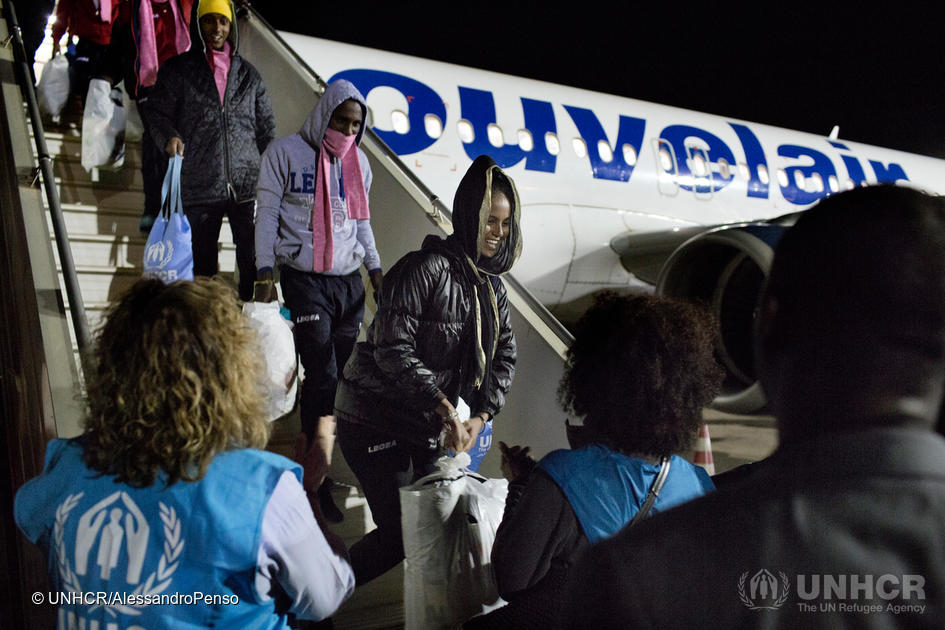
This is the context in which the UNHCR comes to the relief of both displaced Libyans and refugees, by organizing the evacuation of more than 1300 vulnerable refugees and by searching for sustainable solutions in third countries.
The objective of this conference is to present the UNHCR’s missions in Libya and to provide a space for exchange on the evacuation operations for refugees.
In partnership with the UNHCR Office in Paris


Media Relations : [email protected] / 01 40 61 60 22
Other events
COP31 in Antalaya: State of the Global Climate Governance, Issues, Perspectives
COPs have become a year-end marathon to revigorate a world now entering the era of climate overshoot. While Türkiye exhibits the largest coal-fired power generation in OECD Europe, it has embraced the electrification agenda and aims at joining forces with Australia on fostering action and implementation. This is an unusual de facto co-presidency arrangement, but one that could yield promising results. This webinar will take stock of what climate governance has achieved and of the issues still to be negotiated, and explore what impetus this Turkish–Australian partnership could provide.
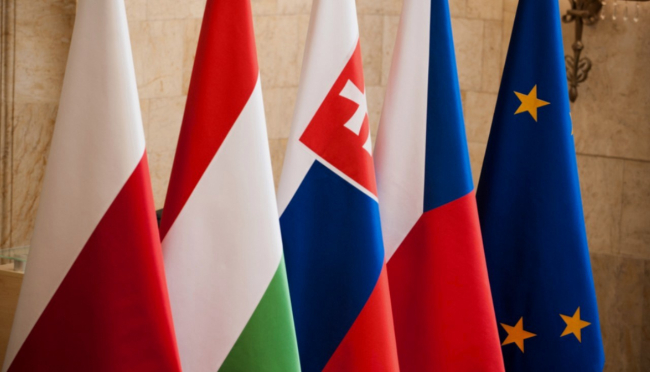
A New Moment for Central Europe? Regional Cooperation in a Time of European Strategic Choices
Recent political developments in Central Europe have revived the debate about the future of regional cooperation and the Visegrád Group. Changes in Hungary, Poland, the Czech Republic and Slovakia, together with Austria’s growing interest in closer cooperation with its neighbours, could create new opportunities for dialogue and coordination around shared priorities.
China’s Nuclear Buildup: Developments, Drivers, and Implications for Major-Power Relations and Arms Control
China has been steadily expanding its nuclear arsenal for several years amid levels of geopolitical tension unseen since the end of the Cold War, marked by a resurgence in nuclear proliferation and a broader, global arms race.