






Protection of Refugees and Displaced Persons in Libya: A Challenge for the UNHCR

Practical information
Conference-debate with Roberto Mignone, United Nations High Commissioner for Refugees (UNHCR) Representative in Libya.
Moderation:
Matthieu Tardis, Research Fellow at the Centre for Migration and Citizenship, IFRI
Roberto Mignone has worked for the UNHCR for almost 25 years, particularly in Mozambique, Guatemala, Colombia, Sweden, Australia, India and Costa Rica, and then at the headquarter in Geneva, in a global emergency response team. He is currently the UNHCR Representative in Libya, based in Tunisia.
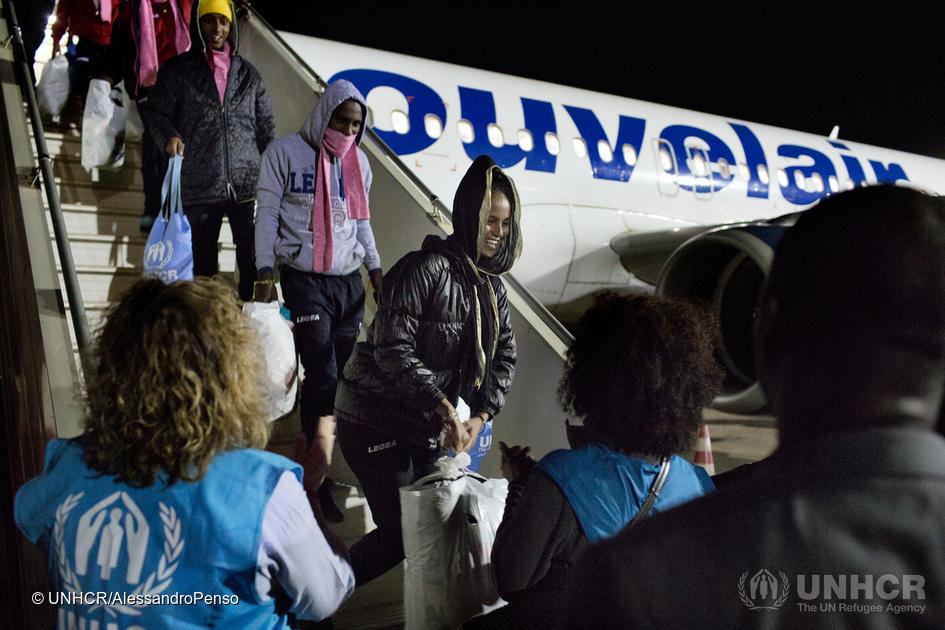
Libya has been the scene of a conflict that has provoked the displacement of hundreds of thousands of Libyans. As of today, more than 180.000 internally displaced people are in need of humanitarian assistance, and 335.000 people have recently returned to their homes. Not only in an unstable and violent situation, Libya is also confronted with some of the most complex mixed migration movements in the world. The key challenges consist of the protection of refugees present on the Libyan territory and the search for reliable alternatives to dangerous sea crossings pursued by refugees and immigrants on the Central Mediterranean Route.
This is the context in which the UNHCR comes to the relief of both displaced Libyans and refugees, by organizing the evacuation of more than 1300 vulnerable refugees and by searching for sustainable solutions in third countries.
The objective of this conference is to present the UNHCR’s missions in Libya and to provide a space for exchange on the evacuation operations for refugees.
In partnership with the UNHCR Office in Paris


Media Relations : [email protected] / 01 40 61 60 22
Other events
One Month Ahead of the Midterms: Where Is Trump’s America Headed?
The 24th edition of the Ifri Americas Programme Annual Conference will examine the dynamics at play in the United States and their implications for Europe and the transatlantic relationship. will examine the dynamics at play in the United States and their implications for Europe and the transatlantic relationship.
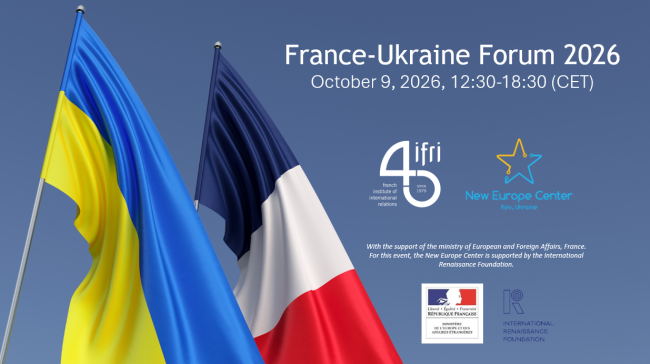
France-Ukraine Forum 2026
More than four and a half years after the start of the full-scale war launched by Russia against Ukraine, the 2026 France-Ukraine Forum will bring together policymakers, experts, academics, and civil society representatives from both countries to discuss three main topics: the formats and conditions for a lasting diplomatic settlement; Ukraine’s Euro-Atlantic integration, encompassing both the EU accession process and closer ties with NATO; and the societal transformations of postwar Ukraine, as well as its prospects for reconstruction.
The EU in a World of Economic Warfare: Trade, Geopolitics, and the Battle for Economic Sovereignty
The international trading system has become a primary theatre of geopolitical competition. Tariffs, sanctions, and technology controls have replaced dialogue as the default instruments of economic relations.