






Practical information
Themes and regions
Related centers and programs
South Africa benefits from a successful renewable energy program and a certain status as the only nuclear power plant operator on the African continent. These assets have been increasingly overshadowed by structural and mounting challenges affecting the energy sector and entire economy: load shedding, financial meltdown of Eskom, poor regulation and governance, inadequate planning, lack of transparency.
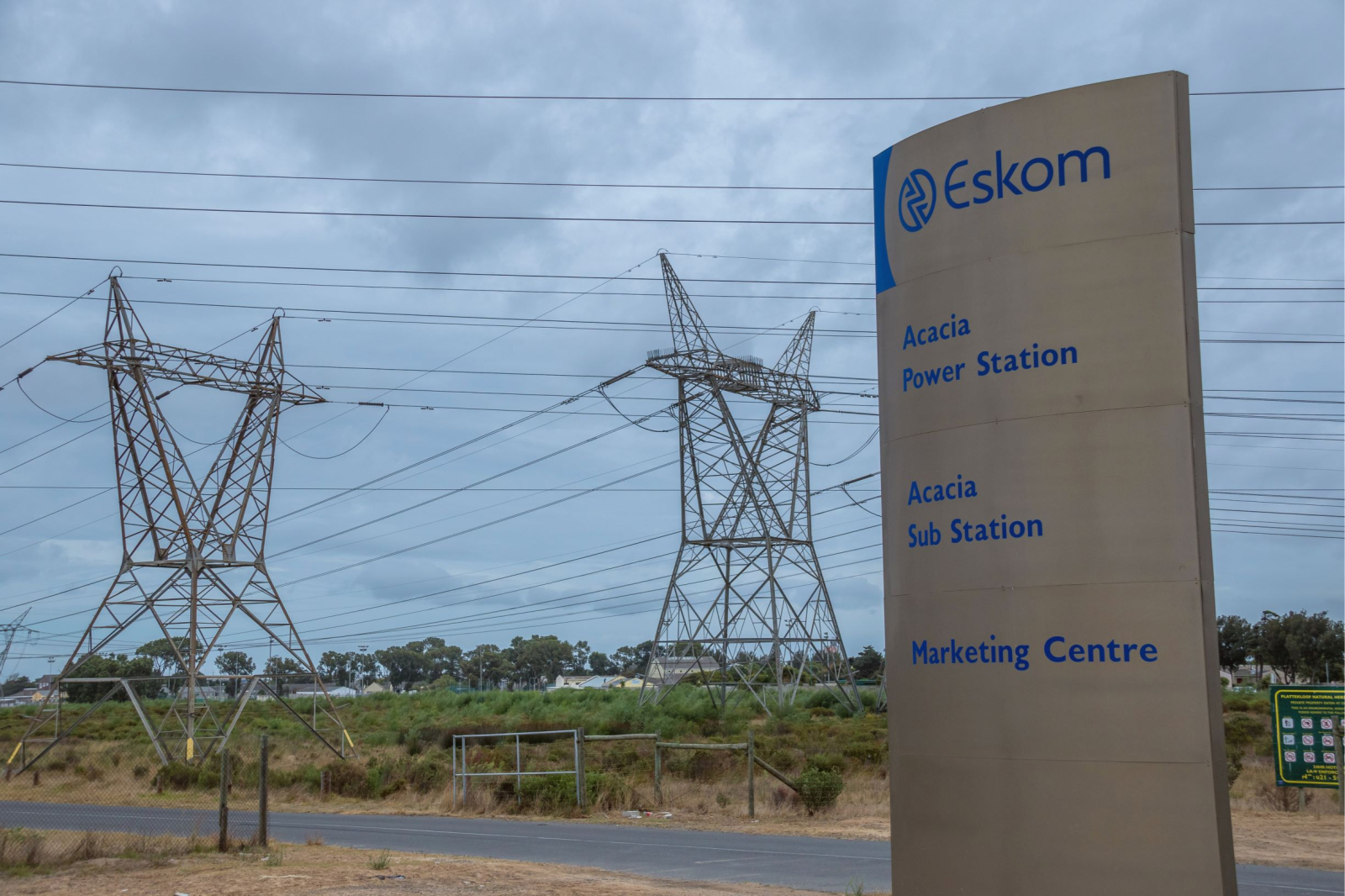
Are things changing under President Ramaphosa's leadership and will the latest financial pressures, and new gas discoveries, bring much needed reforms?
Chair and discussant: Marc-Antoine Eyl-Mazzega, Director, Center for Energy & Climate, Ifri
South Africa's energy policies at a turning point: Chris Yelland, Managing Director, EE Business Intelligence
This seminar will be held in English.
Find out more

South Africa’s Energy Policies: Are Changes Finally Coming?
Energy and electricity policy, planning and regulation in South Africa has been slow and bureaucratic, lacking visionary leadership, and marred by uncertainty. Policy positions and actions taken have tended to be reactive, and driven more by crisis management than by forward-looking leadership.

The Potential of Digital Technologies for Centralized Electricity Systems in Sub-Saharan Africa
Affordable and reliable electricity access is a prerequisite for the economic development of sub-Saharan Africa.
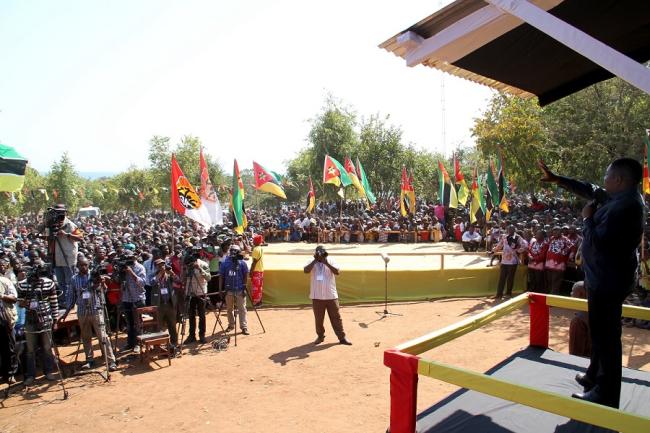
Mozambique: Security, Political and Geopolitical Challenges of the Gas Boom
The vast gas discoveries in Mozambique, some 160 trillion cubic feet (4,530 billion cubic meters), will make this very poor country (6th lowest gross national income (GNI) per capita – the lowest in Africa) one of the world’s future major producers of liquefied natural gas (LNG) within two decades.
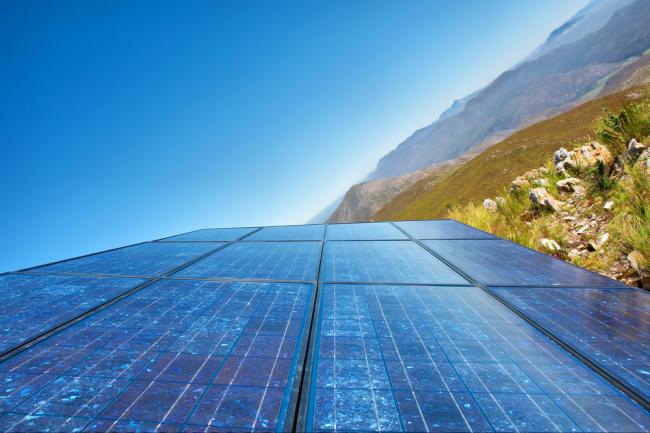
Solar Power in Sub-Saharan Africa after COVID-19: Healing the Ills of the Sector
The electrification of sub-Saharan Africa is one of the great challenges of the 21st century. It is essential if we are to succeed in creating the 20 million jobs each year necessary to absorb the demographic growth of the region,[1] which is set to have 2.1 billion inhabitants in 2050, compared to 1.1 billion today.[2]
Related Subjects
Other events
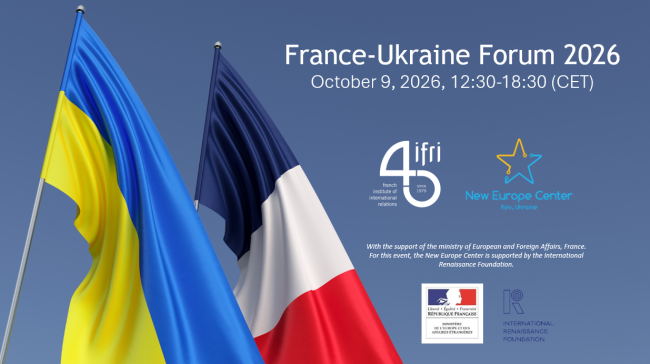
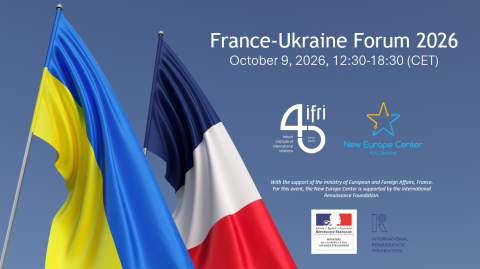
France-Ukraine Forum 2026
More than four and a half years after the start of the full-scale war launched by Russia against Ukraine, the 2026 France-Ukraine Forum will bring together policymakers, experts, academics, and civil society representatives from both countries to discuss three main topics: the formats and conditions for a lasting diplomatic settlement; Ukraine’s Euro-Atlantic integration, encompassing both the EU accession process and closer ties with NATO; and the societal transformations of postwar Ukraine, as well as its prospects for reconstruction.
The EU in a World of Economic Warfare: Trade, Geopolitics, and the Battle for Economic Sovereignty
The international trading system has become a primary theatre of geopolitical competition. Tariffs, sanctions, and technology controls have replaced dialogue as the default instruments of economic relations.
The Road to 27 Electrification Action Plans: Planning and Investing in Europe’s Electric Future
The European Commission’s Electrification Action Plan places the continent on an electric path to structurally reduce dependence on fossil fuel imports and boost the energy transition in industry, transport and buildings.