


Sub-Saharan Africa Center
Founded in 2007, Ifri's Sub-Saharan Africa center produces an in-depth analysis of the African continent and its security, geopolitical, political and socio-economic dynamics (in particular the phenomenon of urbanization). The Center aims to be both, through various publications and conferences, a space for disseminating analyzes intended for the media and the public but also a decision-making tool for political and economic actors with regard to the continent.
The center produces analyses for various organizations such as the Ministry of the Armed Forces, the Ministry of Europe and Foreign Affairs, the Organization for Economic Cooperation and Development (OECD), the French Development Agency (AFD) and even for various private supports. Its researchers are regularly interviewed by parliamentary committees.
The organization of events of various formats complements the production of analyzes by bringing the different spheres of the public space (academic, political, media, economic and civil society) to meet and exchange analytical tools and visions of the continent. The Sub-Saharan Africa Center regularly welcomes political leaders from different sub-Saharan African countries.
Read more

Researcher and Head of the Sub-Saharan Africa Center, Ifri
Publications
See all our interventions
Flagship Publications
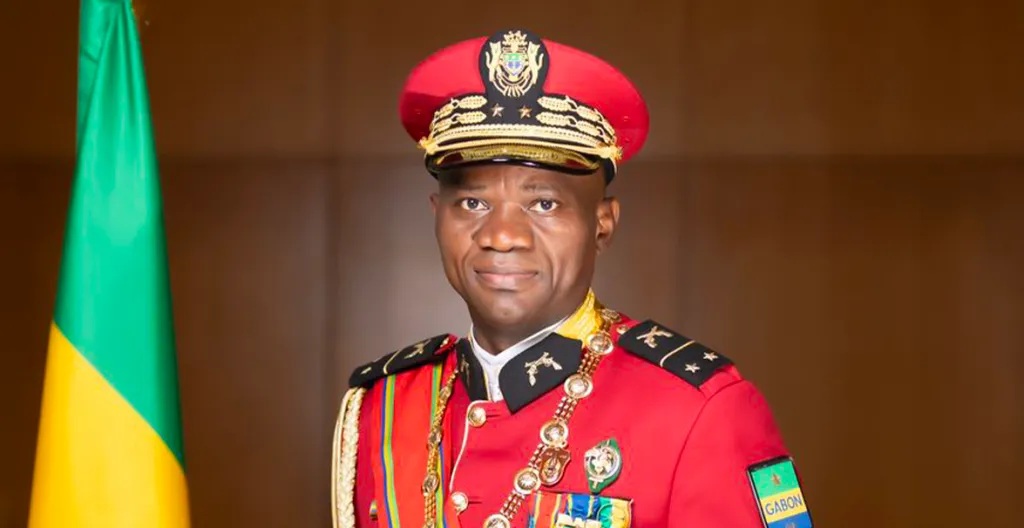
Gabon: Has an — Almost — Exemplary Transition Produced a New Political Model?

Titre Bloc Axe
Areas of Research
See all our interventions
Titre Axe de recherche
Governing the Urban Transition in Africa
Governing the Urban Transition in Africa Research Program, created within the Ifri Sub-Saharan Africa Center, addresses the major challenges of urban development in Africa through a sectoral and transversal approach structured around three key sectors: land issues, urban infrastructure and mobility.

Titre Axe de recherche
Africa on the International Scene
The Africa on the International Scene research axis whithin Ifri's Sub-Saharan Africa Center aims at analyzing the African policies established by the traditional partners of the African continent (France, UK, etc.) as well as by the emerging States (China, Turkey, Brazil, etc.).
Titre Axe de recherche
Security Issues
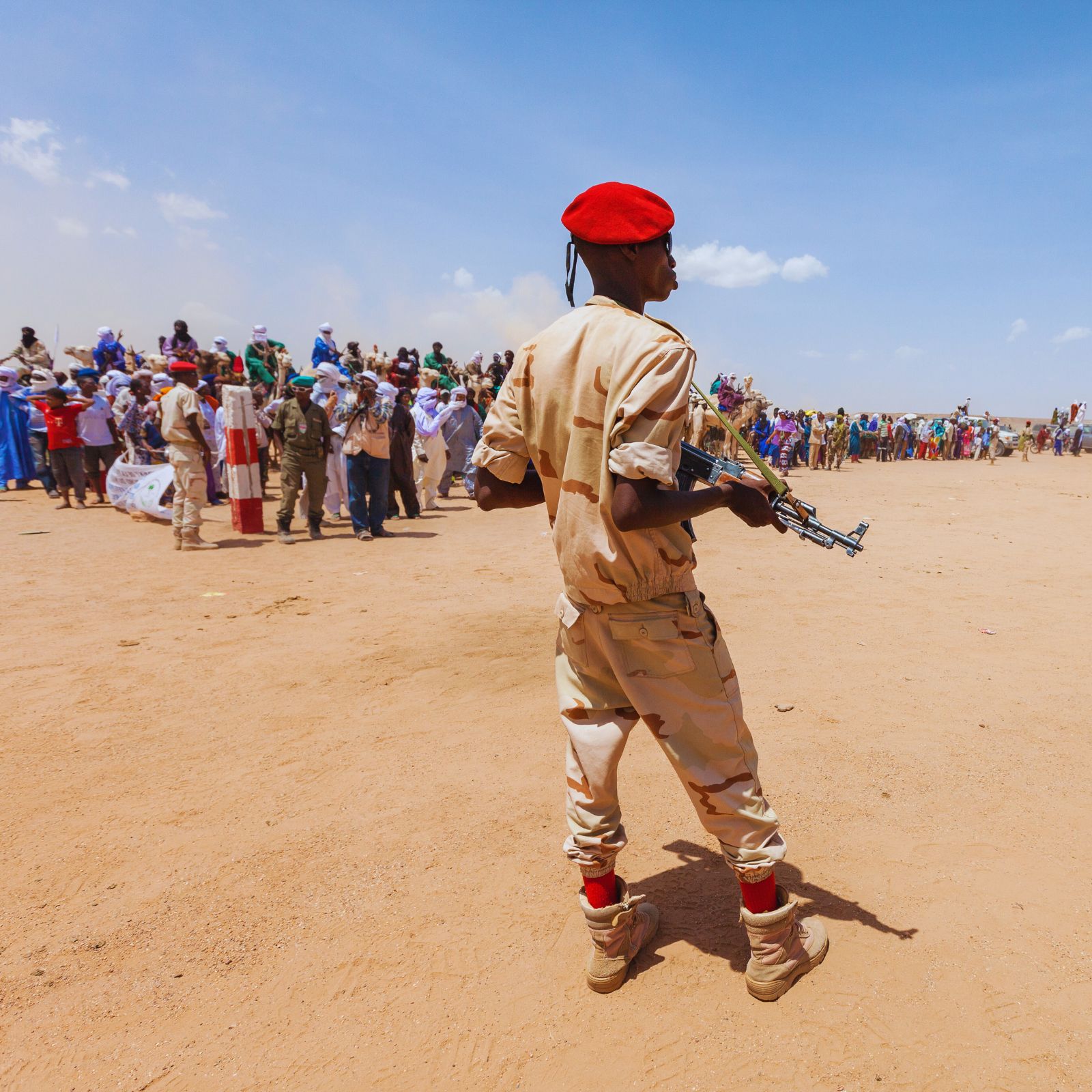
The Security Issues research axis of Ifri's Sub-Saharan Africa Center explores the security stakes at play in the Sahel and in the Great Lakes regions. It notably examines the armed movements, the economies of illicit trades and the tensions surrounding natural ressources.
Titre Axe de recherche
Elections, Governance and Evolution of the State in Africa
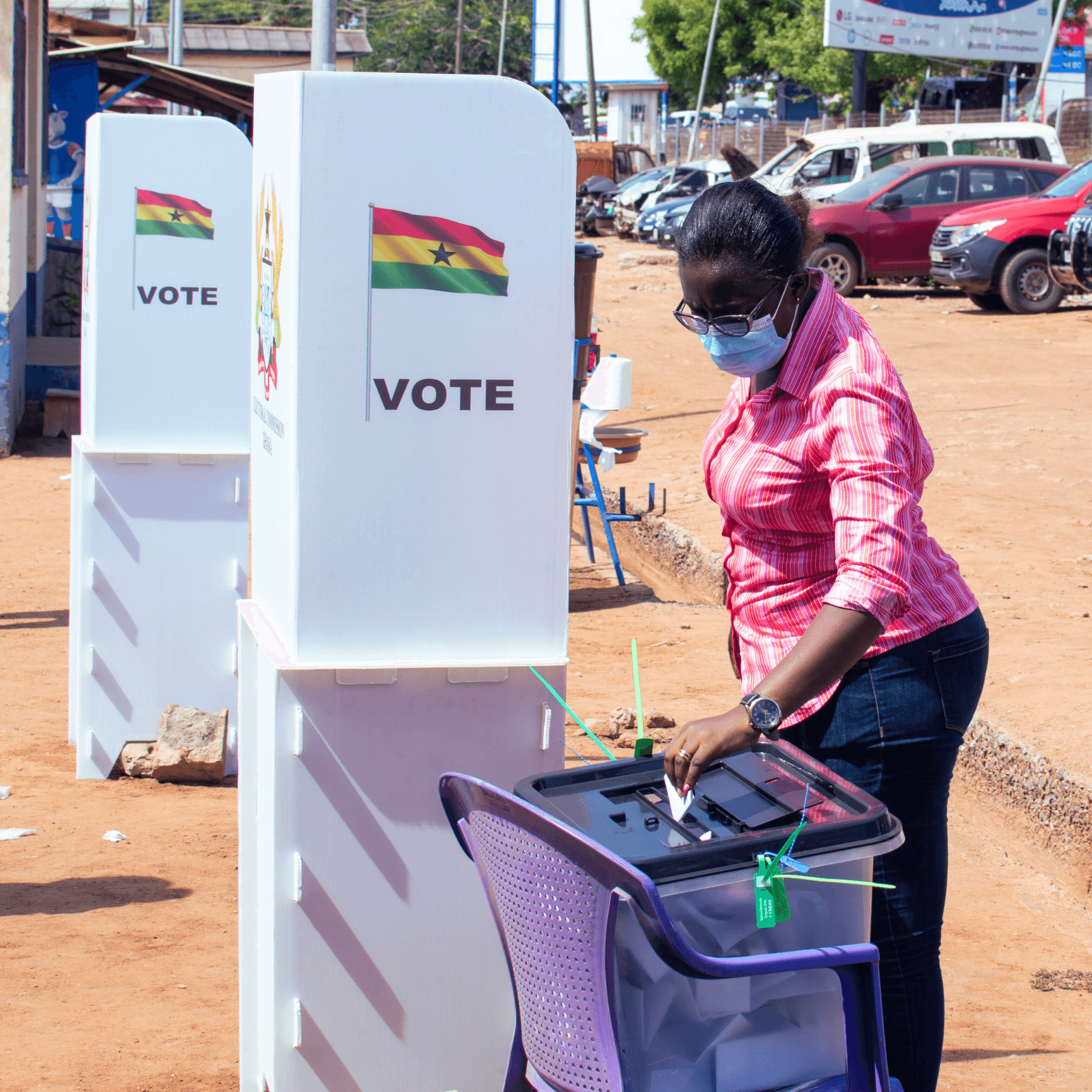
The Elections, Governance and Evolution of the State in Africa research axis whithin Ifri's Sub-Saharan Africa Center covers electoral processes, domestic political dynamics, public policies, State governance practices, as well as State model evolutions on the African continent.
Titre Axe de recherche
Socio-economic Transformation of Africa
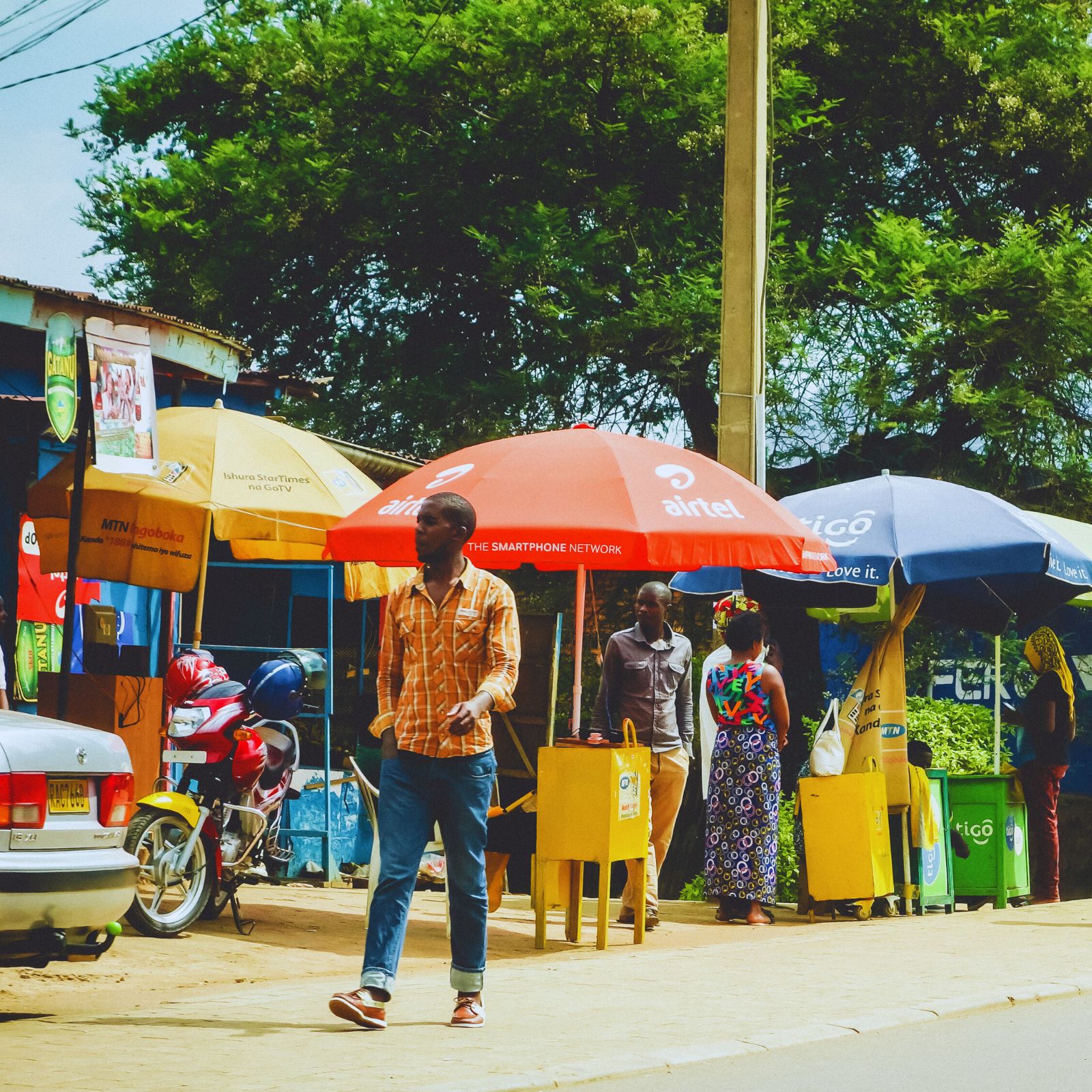
The Socio-economic Transformation of Africa research axis whithin Ifri's Sub-Saharan Africa Center focuses on African middle-classes, on African cities as a growth factor, on the urbanization of the continent as an element of transformation of African societies as well as on competition for access to land.
Titre Axe de recherche
Energy Challenges in Africa
The Energy Challenges in Africa research axis whithin Ifri's Sub-Saharan Africa Center adresses the exploitation of extractive natural resources on the African continent. It also covers the geopolitical stakes that derive from it, and the governance practices in this sector implemented by producing countries and by those about to become producing, such as East African States.

Publications
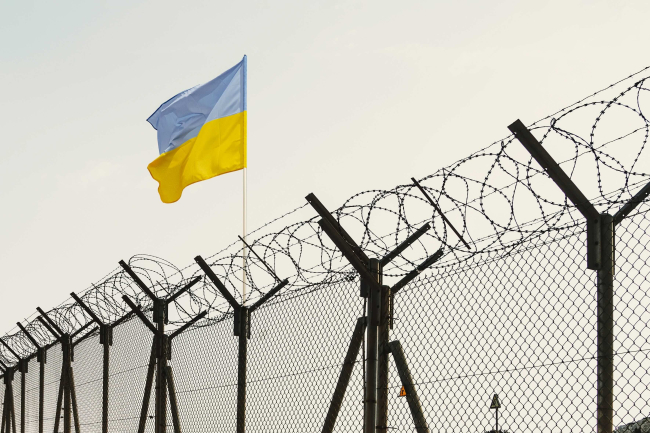
From Africa to Ukraine: An Investigation into African Prisoners of War
When T. W. received an invitation letter to travel to Russia in November 2025, he could hardly believe it. Two months earlier, he had met a young Russian woman who was ill at the hospital in Kampala where he worked as a nurse. After she returned to Russia, they had kept in touch through social media. Much to his surprise, she invited him to come and study and work in her country, even offering to pay for his plane ticket. Delighted by the opportunity, T. W. left without informing either his family or his employer.
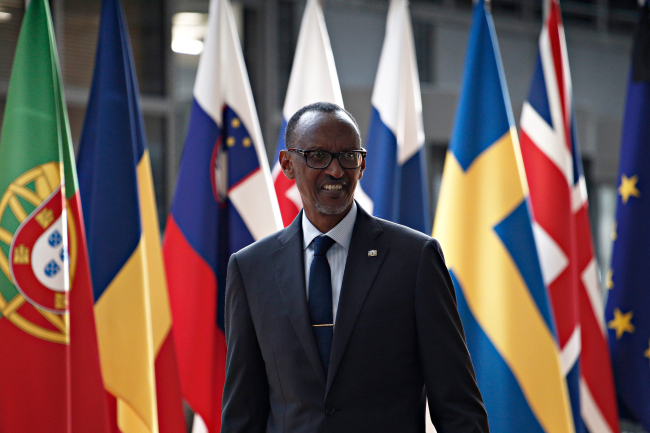
The Vectors and Means of Rwanda’s Growing External Influence under Paul Kagame
For three decades, Paul Kagame’s Rwanda has pursued a foreign policy aimed at increasing investment in the national economy, maximizing military cooperation and intelligence sharing, and promoting a model of post-genocide state reconstruction.
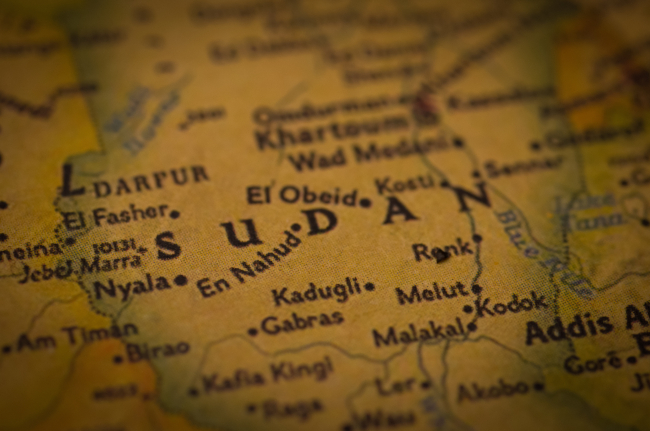
Sudan Wartime Online Propaganda
In the Sudan conflict, the propaganda battle between the Sudan Armed Forces (SAF) and the Rapid Support Forces (RSF) on mainstream and social media makes it hard to distinguish real, false, and manipulated information. Furthermore, the lack of field press coverage allows fake and misleading news to spread more easily. Although the SAF and RSF work hard to shape the war narrative by building large supporter networks and using various methods such as disinformation and censorship, it is clear they no longer fully control the flow of information. Social media analysis shows that Sudanese politicians, military figures, influencers, and followers weave a tangled web of exchanges filled with rivalries, lies, and propaganda.
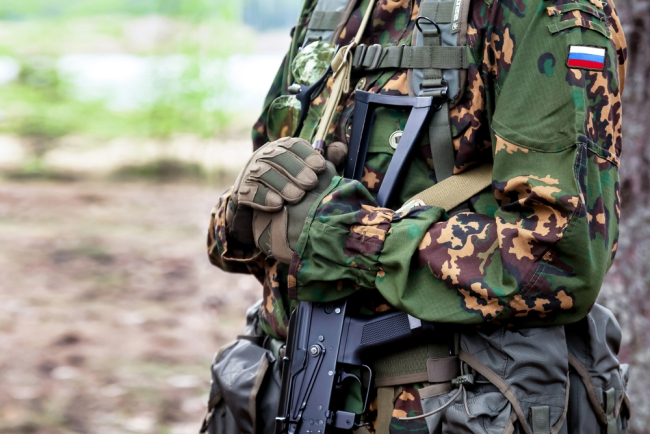
Russia’s Policy of Recruiting Fighters and Female Workers in Sub-Saharan Africa
The Russo-Ukrainian war, which began on February 24, 2022, quickly became internationalized. Russia and Ukraine were both quick to mobilize their allies in order to secure political and diplomatic support, as well as military and economic resources. But both belligerents also sought to recruit foreigners on a private basis to support their respective war efforts. This policy is global, extending from Latin America to the Far East. Sub-Saharan Africa, in this landscape, is of particular interest because it constitutes a vast and easily accessible recruitment pool, owing to high poverty rates in most countries of the region combined with a strong desire to emigrate.
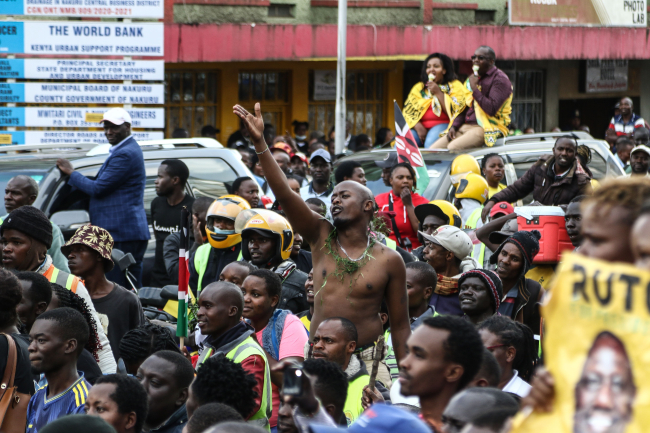
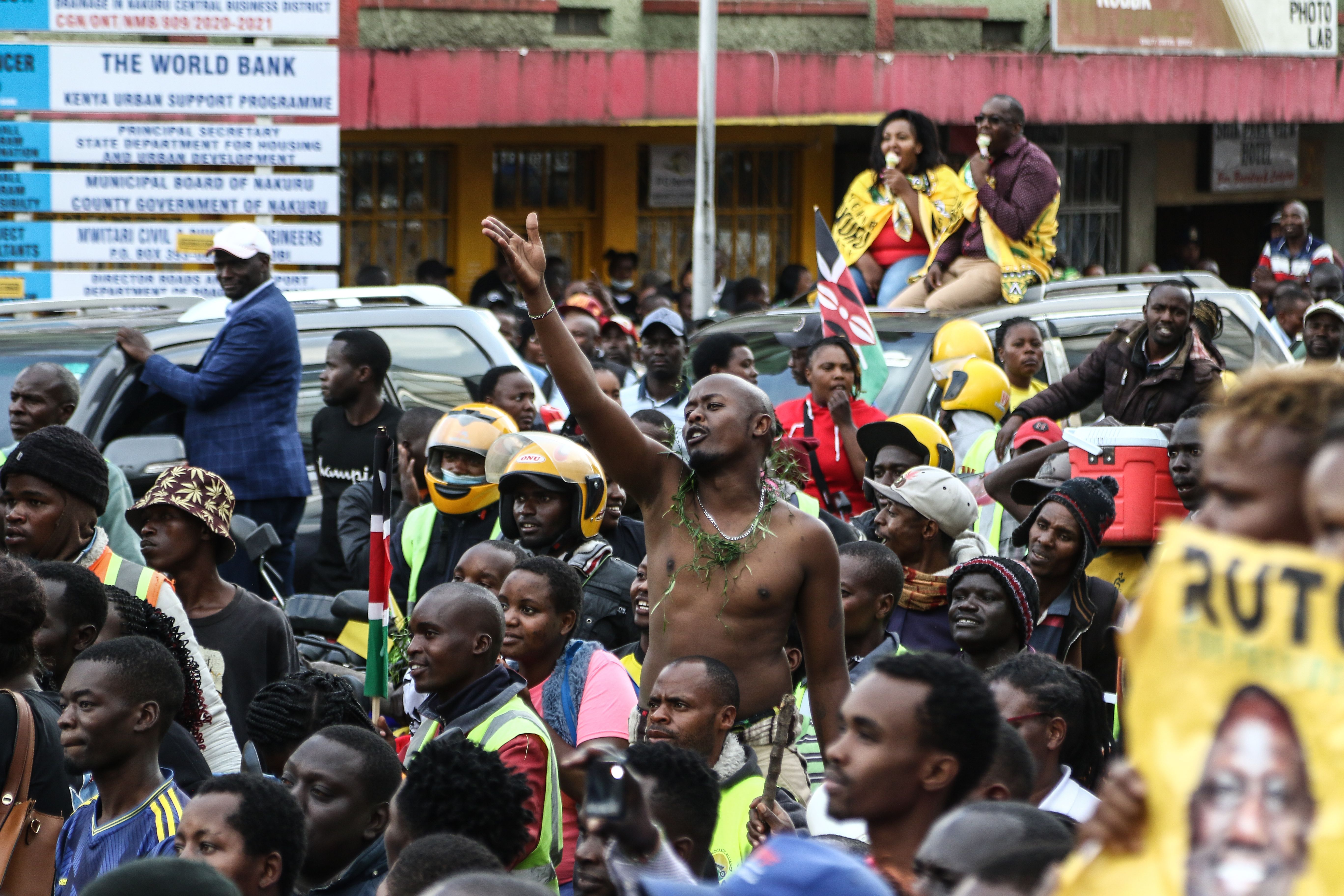
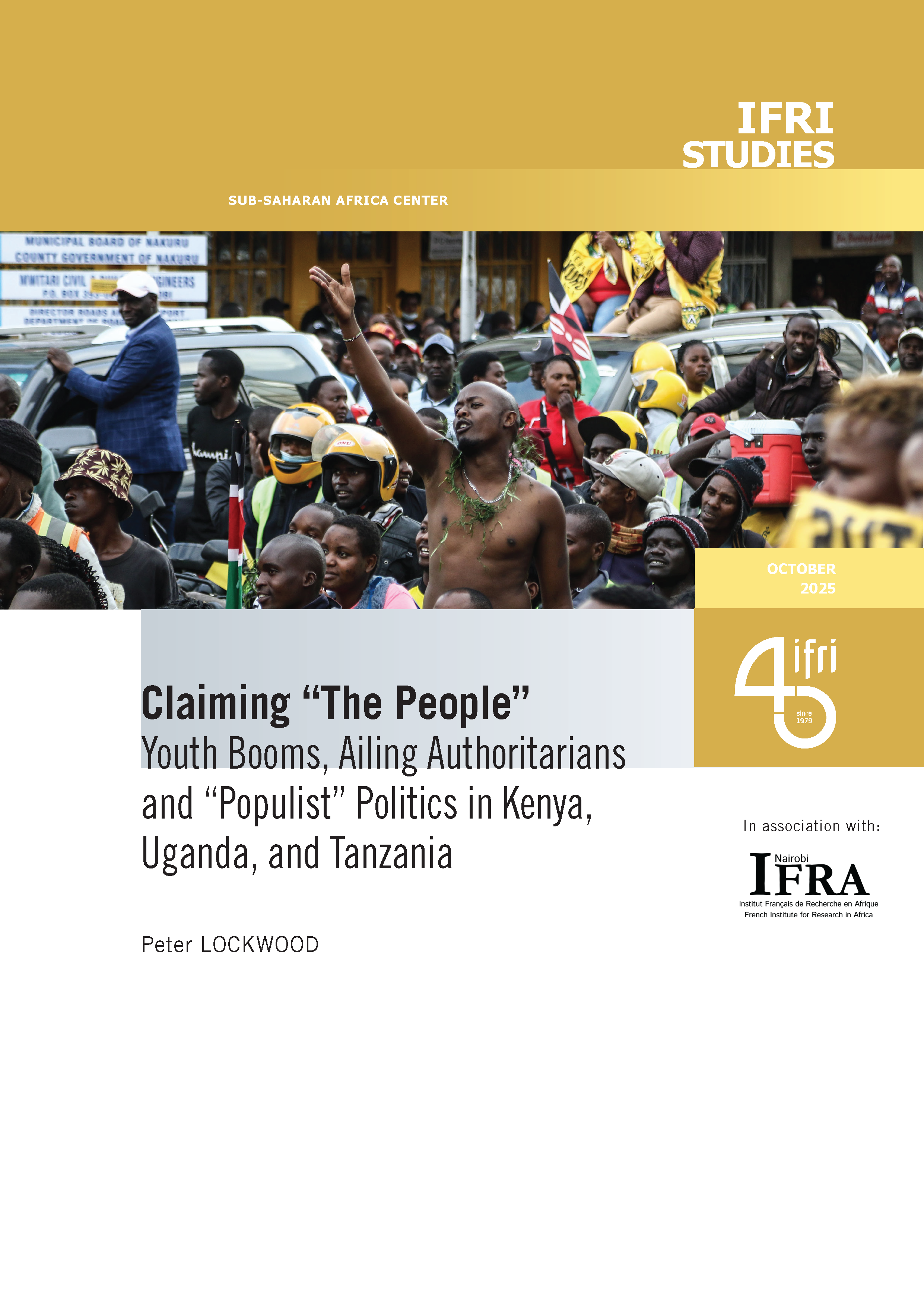
Claiming "The People": Youth Booms, Ailing Authoritarians and "Populist" Politics in Kenya, Uganda, and Tanzania
This study analyses the emergence of so-called “populist” political tendencies in three East African countries: Kenya, Uganda and Tanzania. It builds its analysis on a wider discussion of the term “populism”, its use and applicability in (eastern) African settings before going on to examine the drivers of three cases of populism: William Ruto’s 2022 election victory in Kenya and the “Hustler Nation”; Bobi Wine’s opposition to Yoweri Museveni in Uganda; and John Magufuli highly personal style of government in Tanzania.
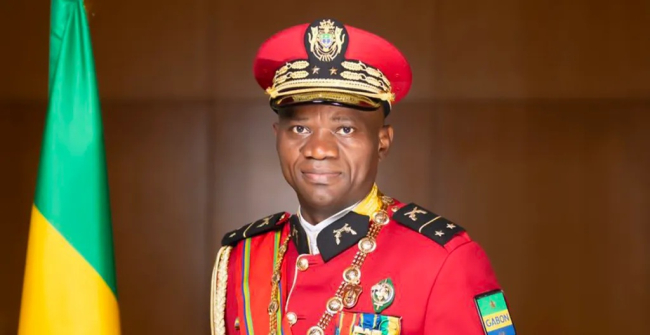
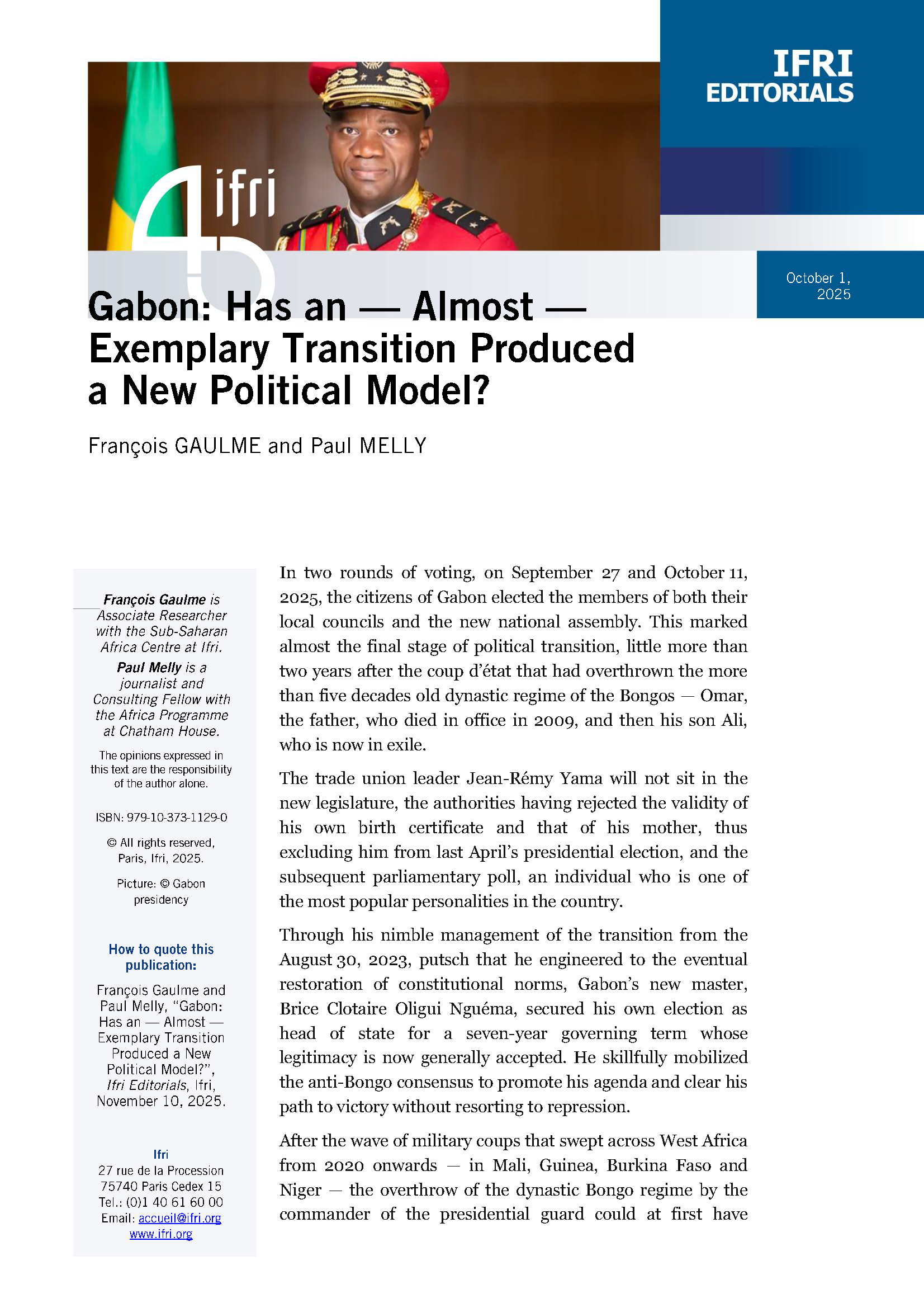
Gabon: Has an — Almost — Exemplary Transition Produced a New Political Model?
In two rounds of voting, on September 27 and October 11, 2025, the citizens of Gabon elected the members of both their local councils and the new national assembly. This marked almost the final stage of political transition, little more than two years after the coup d’état that had overthrown the more than five decades old dynastic regime of the Bongos — Omar, the father, who died in office in 2009, and then his son Ali, who is now in exile.
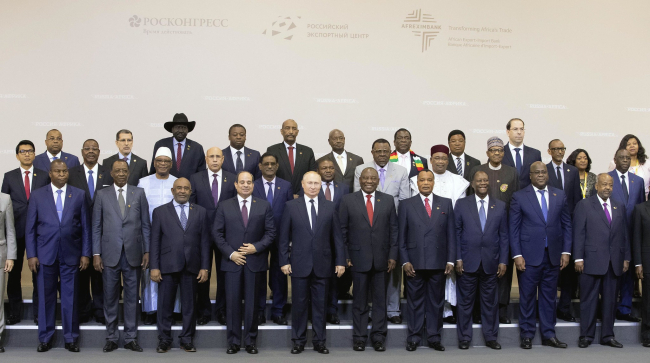
The Contradictory Impacts of Western Sanctions on Economic Relations between Russia and Sub-Saharan Africa
How does Russia maintain economic ties with Africa despite Western sanctions? An analysis of investments, trade, and the circumvention strategies deployed by Moscow.
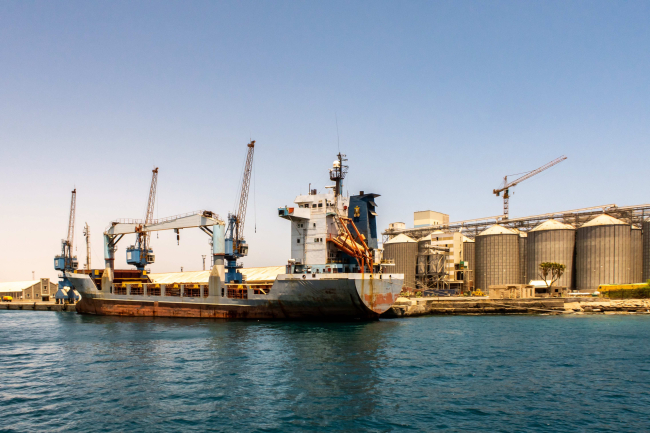
The Revenue Sources Sustaining Sudan’s Civil War. Lessons for the year 2023
Wars require money and resources, and often, most conflicts involve controlling sources of income and supply lines or denying them to enemies. This has been the case in Sudan’s past conflicts and is again as the civil war—between the Sudan Armed Forces (SAF), commanded by General Abdelfattah al-Burhan, and the paramilitary Rapid Support Forces (RSF), commanded by General Mohammed Hamdan Daglo “Hemedti” —has sunk into a protracted conflict.
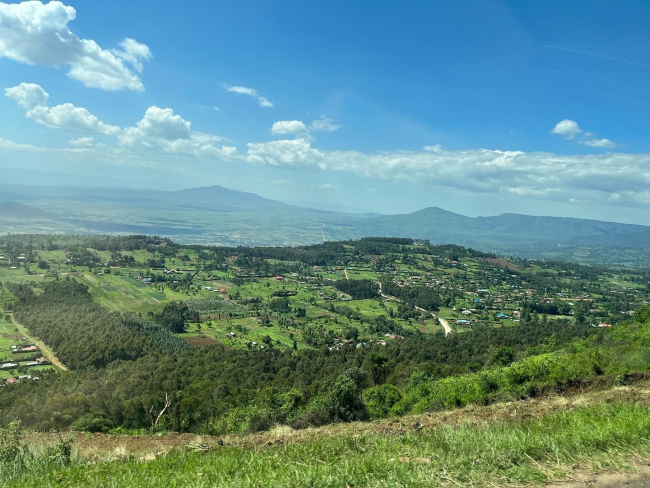
Anglo-Kenyan Relations (1920-2024) : Conflict, Alliance and a Redemptive Arc
This article provides an evidentiary basis for postcolonial policy in its analysis of Anglo-Kenyan relations in a decolonization era.

When City Diplomacy Meets Geopolitics: A Framework to Help Cities Navigate Geopolitical Risk
Crises and the increasing polarization of international relations make political risk analysis an indispensable resource for internationally active public and private entities.
The Team
Our research fellows: Sub-Saharan Africa Center
Alain ANTIL
Researcher and Head of the Sub-Saharan Africa Center, Ifri

Benjamin AUGÉ
Associate Research Fellow, Sub-Saharan Africa Center, Ifri

Elisa DOMINGUES DOS SANTOS
Associate Research Fellow, Sub-Saharan Africa Center and Turkey/Middle East Program, Ifri
François GAULME
Associate Research Fellow, Sub-Saharan Africa Center, Ifri

Mathieu PELLERIN
Associate Research Fellow, Sub-Saharan Africa Center, Ifri
Thierry VIRCOULON
Associate Research Fellow, Coordinator of the Observatory of Central and Southern Africa, Sub-Saharan Africa Center, Ifri

Julia AMOURA
Assistant to the Sub-Saharan Africa Center and the Turkey/Middle East Program, Ifri
Related research programs
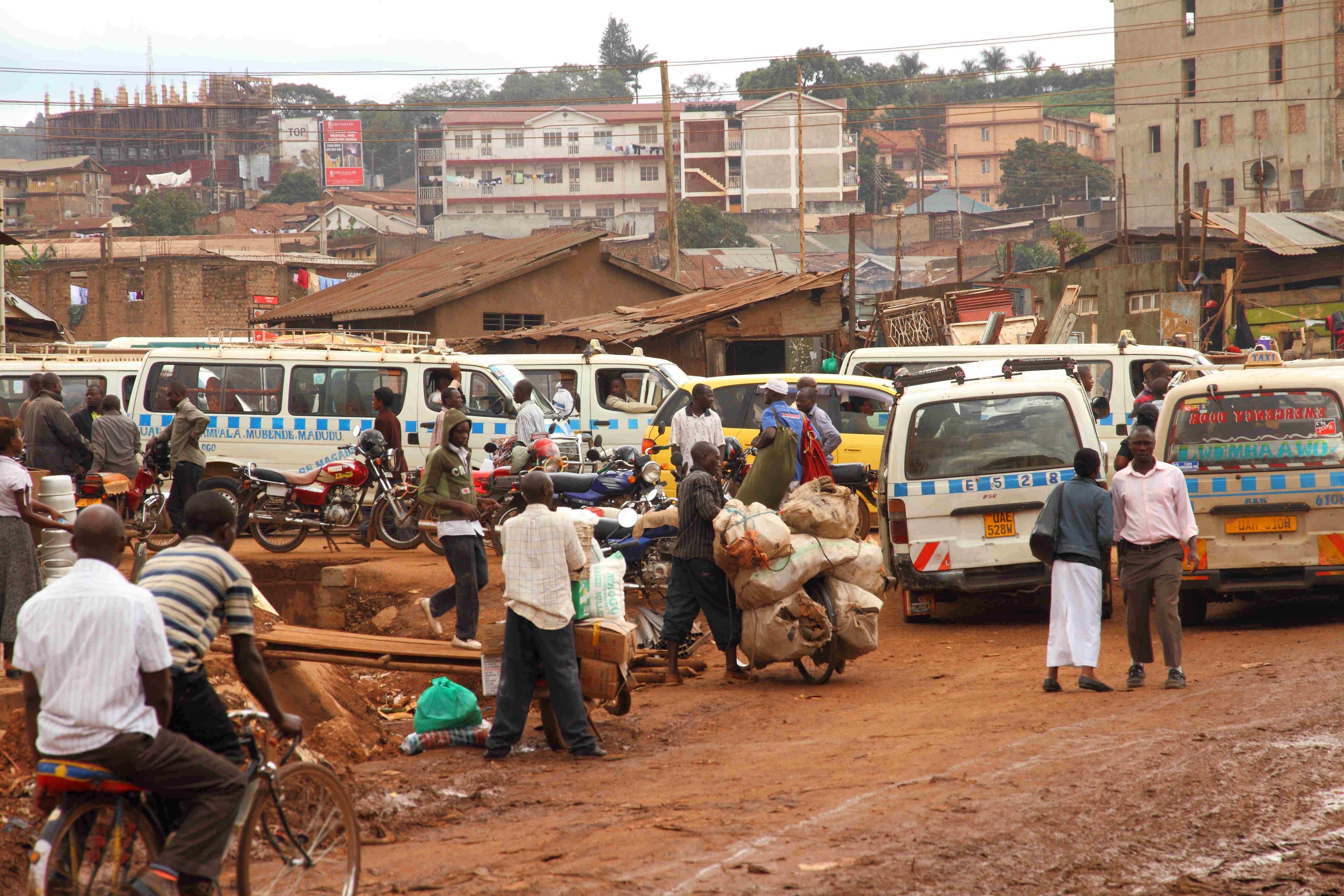
Sub-Saharan Africa's cities are experiencing the fastest growth rates in the world. By 2050, most of the countries in the region will have made an urban transition, meaning that more than 50% of their population will live in urban areas. Urban growth is often presented as a cornerstone of the continent's socio-economic development.
To assess these challenges Ifri’s Sub-Saharan Africa Center is launching, in May 2022, a research program looking into the major socio-economic and geopolitical challenges of urban dynamics on the continent.
The program deals with urban development in Africa through a sectoral and cross-cutting approach based on three key sectors:
- Land issues are the foundation of urban life. Each urban project triggers changes within the relationship between land and its inhabitants.
- Urban infrastructure is often presented as a solution to the challenges of demographic growth in cities. However, the lack of infrastructure and its financing remains a concern for specialists.
- The mobility of goods, people and financial flows is characteristic of urban life and drives the multiple links between cities and the countryside. Analyzing the urban-rural continuum is at the heart of this program's objectives.
Research will be conducted at the macro (continental), meso (country), and micro (city/neighborhood) levels and will be promoted through events and publications.
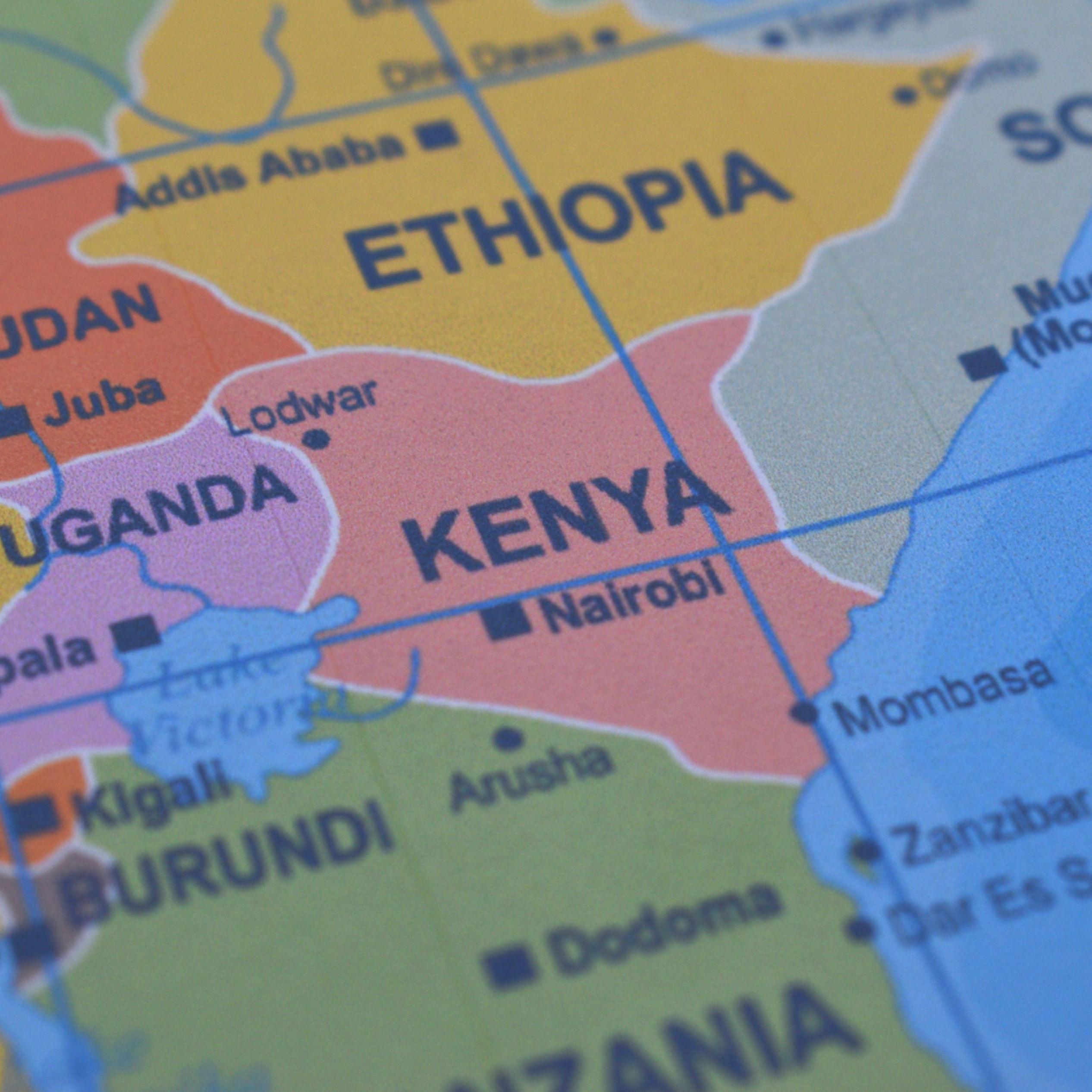
The East and Central Africa Observatory is a 3-year research project (2023-2025) that Ifri is carrying out jointly with the French Institute of Research in Africa (IFRA) in Nairobi for the French Ministry of Defense, and more specifically its International Relations and Strategy Division (DGRIS). This observatory focuses on the main political, security and geopolitical developments taking place in the geographical areas covered by itself. This is achieved through the regular production of research notes, in English or French and the organization of an annual seminar around a key theme. For our research notes and conferences, we call on internationally acknowledged experts in the topics covered. This Observatory began in 2016, under the title of Observatory of Central and Southern Africa within Ifri's Sub-Saharan Africa Center. 55 notes were drafted between 2016 and 2020.
Ifri, a foundation recognized as being of public utility, relies largely on private donors – companies and individuals – to guarantee its sustainability and intellectual independence. Through their funding, donors help maintain the Institute's position among the world's leading think tanks. By benefiting from an internationally recognized network and expertise, donors refine their understanding of geopolitical risk and its consequences on global politics and the economy. In 2026, Ifri partners with over 90 French and international companies and organizations.
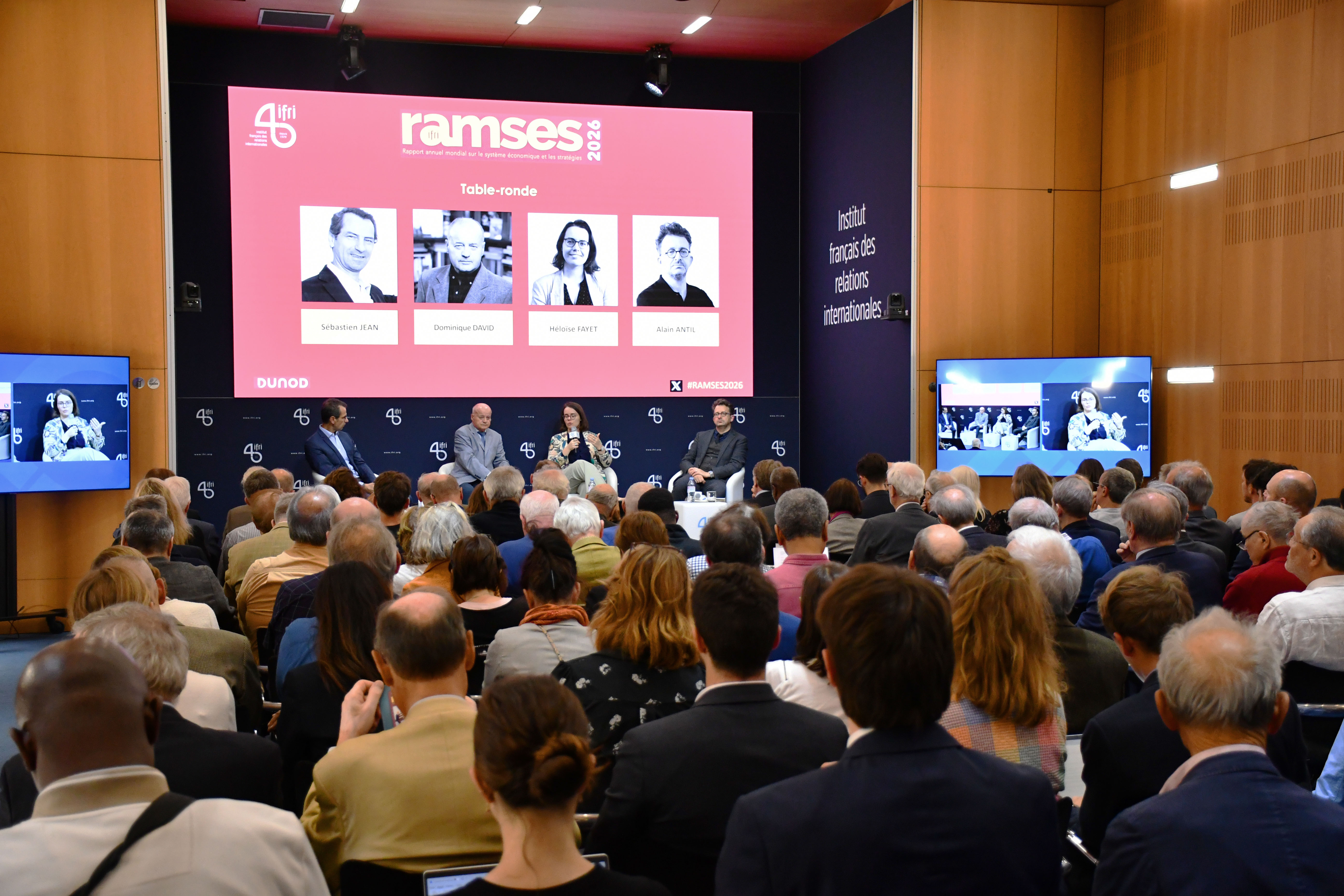
Discover our other research centers and programs
The European Think-tank Network on China (ETNC) is a gathering of China experts from a selection of European research institutes. It is devoted to the policy-oriented study of Chinese foreign policy and relations between China and European countries as well as China and the EU. It facilitates regular exchanges among participating researchers with a view to deepening the understanding within the European policy and research community and the broader public of how Europe, as a complex set of actors, relates with China and how China’s development and evolving global role is likely to impact the future of Europe. The network’s discussions and analyses take a decidedly ‘bottom-up’ approach, accounting for the various aspects of bilateral relations between European countries and China, and the points of convergence and divergence among EU member states in order to examine EU-China relations in a realistic and comprehensive way. The views presented in ETNC reports are the sole responsibility of the signed authors and do not in any way represent the views of all members of the ETNC, its participating institutions, nor the institutions with which the authors are affiliated.
The East and Central Africa Observatory is a 3-year research project (2023-2025) that Ifri is carrying out jointly with the French Institute of Research in Africa (IFRA) in Nairobi for the French Ministry of Defense, and more specifically its International Relations and Strategy Division (DGRIS). This observatory focuses on the main political, security and geopolitical developments taking place in the geographical areas covered by itself. This is achieved through the regular production of research notes, in English or French and the organization of an annual seminar around a key theme. For our research notes and conferences, we call on internationally acknowledged experts in the topics covered. This Observatory began in 2016, under the title of Observatory of Central and Southern Africa within Ifri's Sub-Saharan Africa Center. 55 notes were drafted between 2016 and 2020.
The Turkey 2050 Program develops a forward-looking analysis of the country to anticipate its dynamics over the next 30 years. The reflection is structured around three key themes:
• Domestic politics, to assess the stability of the AKP regime and the prospects for political change;
• The economy, to understand Turkey's capacity for recovery, the evolution of its production model, and its regional integration prospects;
• Foreign policy, to monitor the rise of Turkey's diplomacy and military capabilities, and to map the country's new spheres of influence.
This research, funded by companies and institutions active in Turkey, is based on field missions that aim to shed light on the blind spots and lesser-known areas of the Turkish landscape. Program partners benefit from personalized monitoring of relevant indicators to inform their decision-making, supported by monthly strategic briefings, sectoral reports, and access to a network of Turkish and French experts. The exchanges surrounding the program ultimately seek to define the concept of "Turkish risk" in a broad sense, in order to adapt our working methods accordingly.
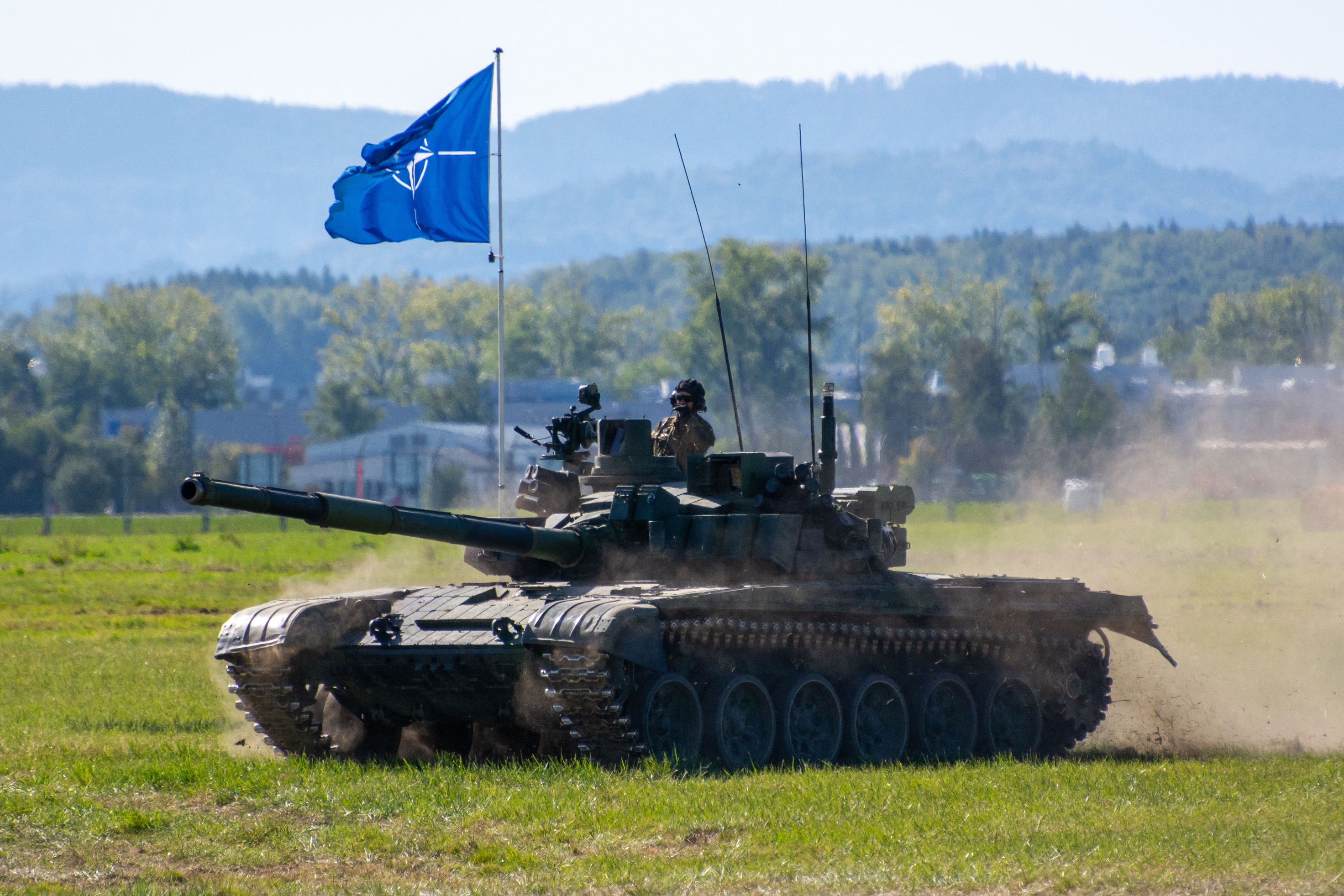
The European & Transatlantic Security Program aims to contribute to the strategic debate by developing analyses around three main axes: European defense and the security architecture of the European continent, institutional and strategic links between the Treaty Organization of North Atlantic (NATO) and the European Union (EU), as well as the evolution of the transatlantic relationship.
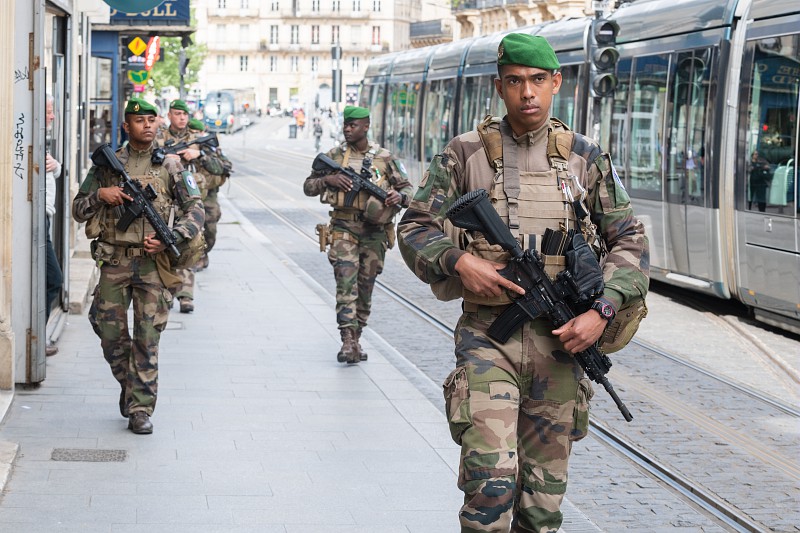
The distinction between internal and external threats is often exaggerated, as the borders are so porous. Conflicts taking place thousands of kilometers from France can have tragic resonances on national territory. Radicalization, terrorism and even organized crime have an international dimension that cannot be ignored.
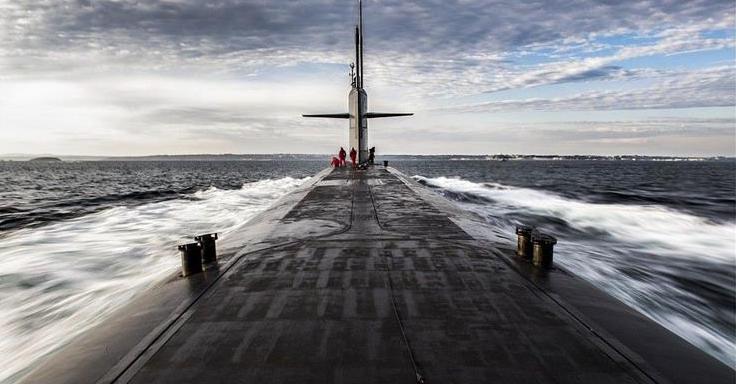
The conflicts in Europe, Asia and the Middle East demonstrate a return of nuclear power to the balance of power. Arsenals are being modernized and expanded, while arms control is collapsing. This research program aims to analyze these phenomena.
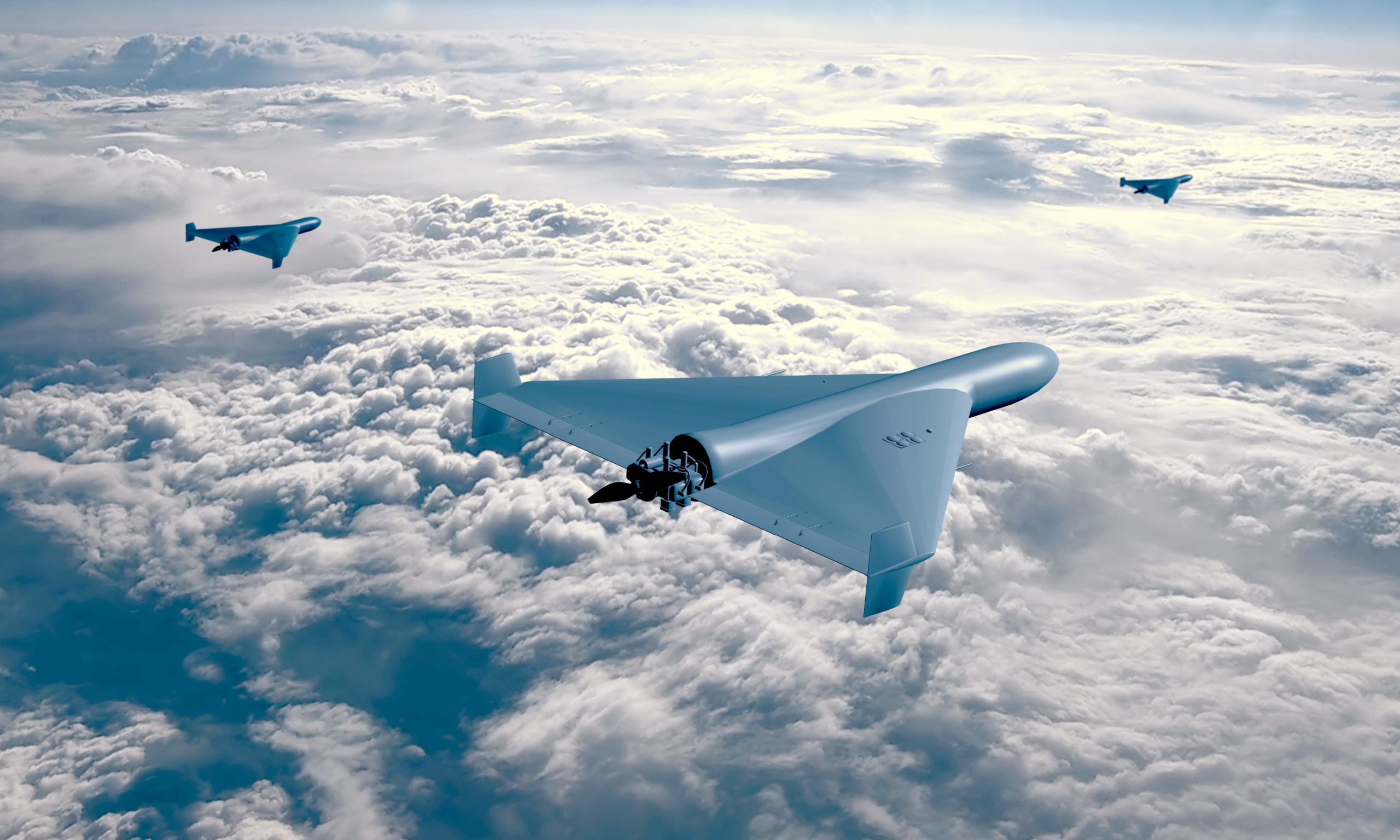
The Observatory of Future Conflicts is a research program carried out by the French Institute of International Relations and the Foundation for Strategic Research on behalf of the three army headquarters aimed at studying developments in tensions and armaments at the horizon 2040 in a transversal perspective, taking into account the issues of each army.
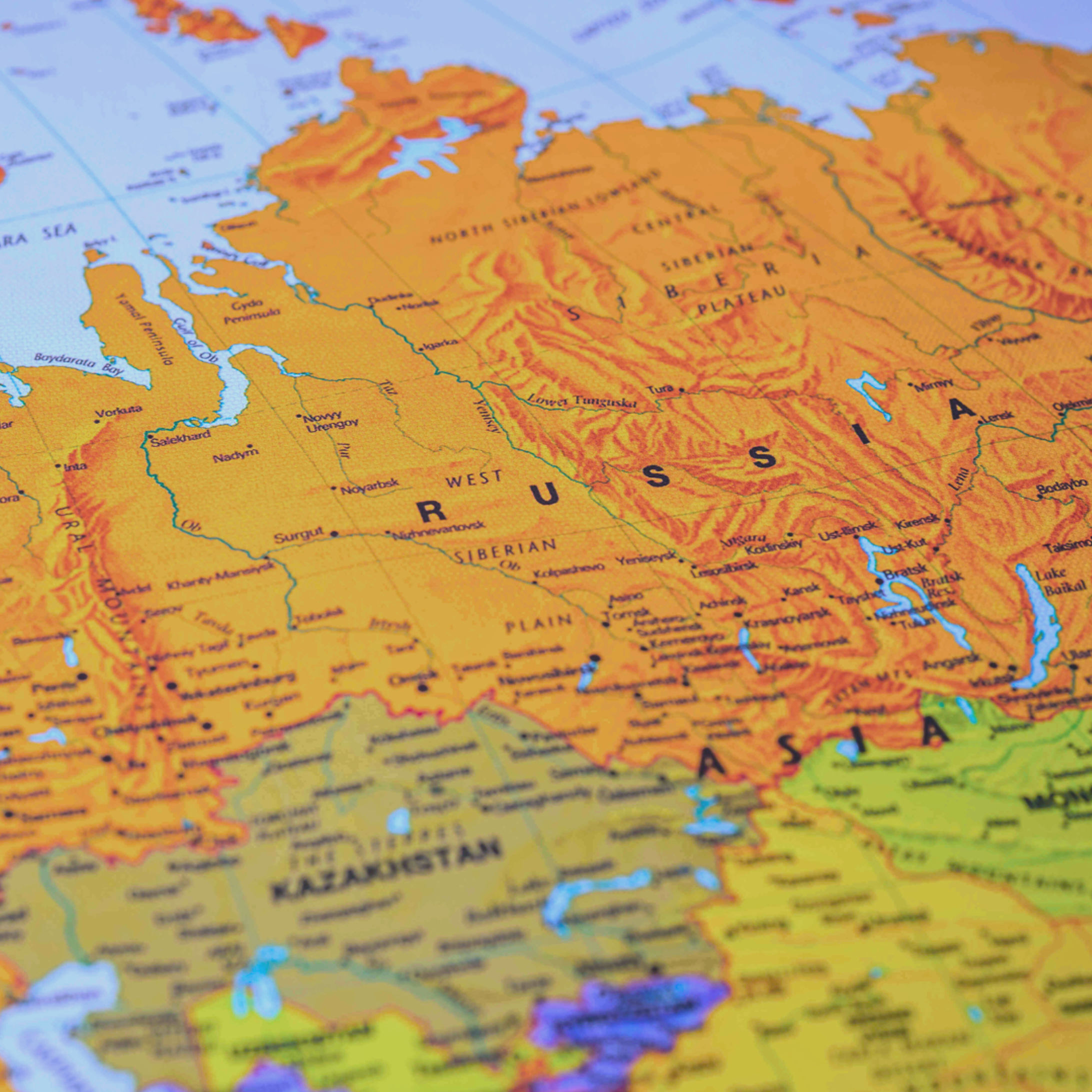
Founded in 2005 within Ifri, the Russia/Eurasia Center conducts research and organizes debates on Russia, Eastern Europe, Central Asia, and the South Caucasus. Its goal is to understand and anticipate the evolution of this complex and rapidly changing geographical area in order to enrich public discourse in France and Europe and to assist in strategic, political, and economic decision-making.
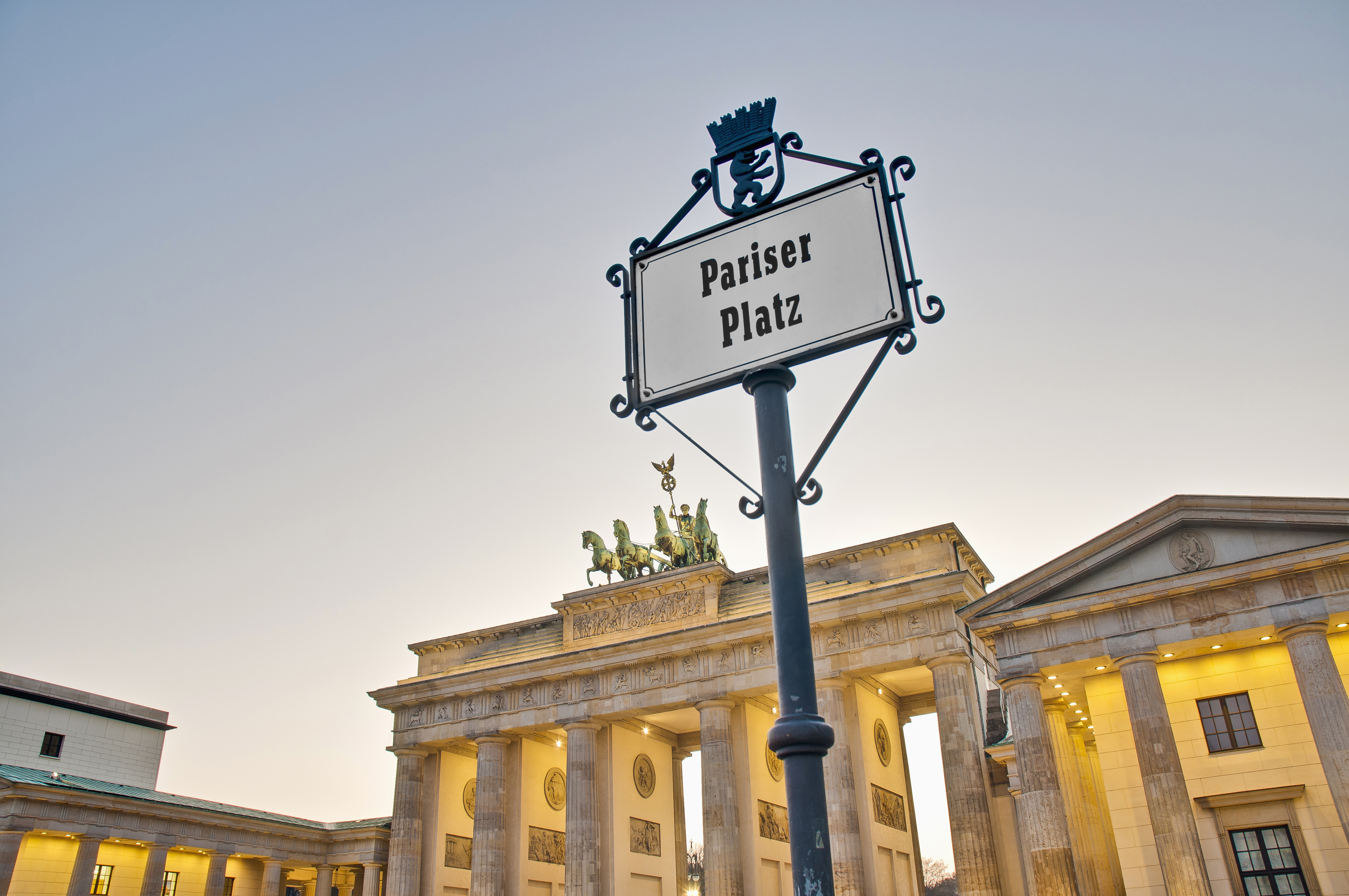
The Study Committee on Franco-German Relations (Cerfa) was created in 1954 by an inter-governmental agreement between the Federal Republic of Germany and France, in order to raise awareness of Germany in France and analyze Franco-German relations, including in their European and international dimensions. In its conferences and seminars, which bring together experts, political leaders, senior decision-makers and representatives of civil society from both countries, Cerfa develops the Franco-German debate and stimulates political proposals. It regularly publishes studies through two collections: Cerfa notes and studies as well as Franco-German visions.
Cerfa maintains close relations with the network of German foundations and think tanks. In addition to its research and debate activities, Cerfa promotes the emergence of a new Franco-German generation through original cooperation programs. This is how in 2021-2022, Cerfa led a program on multilateralism with the Konrad Adenauer Foundation in Paris. This program is aimed at young professionals from both countries interested in the issues of multilateralism in the context of their activities. It covered a wide range of themes relating to multilateralism, such as international trade, health, human rights and migration, non-proliferation and disarmament. Previously, Cerfa had participated in the Franco-German future dialogue, co-led with the DGAP from 2007 to 2020, and supported by the Robert Bosch Foundation and the Daniel Vernet group (formerly the Franco-German Reflection Group) which was founded in 2014 upon the initiative of the Genshagen Foundation.
Heir to a tradition dating back to the founding of Ifri, the Security Studies Center provides public and private decision-makers as well as the general public with the keys to understanding power relations and contemporary modes of conflict as well as those to come. Through its positioning at the juncture of politics and operations, the credibility of its civil-military team and the wide distribution of its publications in French and English, the Center for Security Studies constitutes in the French landscape of think tanks a unique center of research and influence on the national and international defense debate.
Sub-Saharan Africa's cities are experiencing the fastest growth rates in the world. By 2050, most of the countries in the region will have made an urban transition, meaning that more than 50% of their population will live in urban areas. Urban growth is often presented as a cornerstone of the continent's socio-economic development.
To assess these challenges Ifri’s Sub-Saharan Africa Center is launching, in May 2022, a research program looking into the major socio-economic and geopolitical challenges of urban dynamics on the continent.
The program deals with urban development in Africa through a sectoral and cross-cutting approach based on three key sectors:
- Land issues are the foundation of urban life. Each urban project triggers changes within the relationship between land and its inhabitants.
- Urban infrastructure is often presented as a solution to the challenges of demographic growth in cities. However, the lack of infrastructure and its financing remains a concern for specialists.
- The mobility of goods, people and financial flows is characteristic of urban life and drives the multiple links between cities and the countryside. Analyzing the urban-rural continuum is at the heart of this program's objectives.
Research will be conducted at the macro (continental), meso (country), and micro (city/neighborhood) levels and will be promoted through events and publications.

Space has become a crucial theme in the main international think tanks’ research activities as it entails important strategic, economic, and technological issues.
Since 2001, Ifri has integrated space in its research, notably by ensuring that the political dimension of scientific and human exploration programs is emphasized, and by supporting reflections on the Code of Conduct for Outter Space Activities.
Today, as part of its research agenda, Ifri mobilizes several of its centers and programs to transversally tackle the theme of space, through three main inputs:
- the competition of powers, driven by the Sino-American rivalry;
- critical points related to mastery of space, such as the issue of autonomous access to space or the mega-constellations necessary for the digital revolution;
- these developments’ challenges for Europe and its status as a space power.
Since the Summer 2020, Ifri has been coordinating a tripartite European Space Governance Initiative, together with two other renowned European think tanks: the Deutsche Gesellschaft für Auswärtige Politik (DGAP) in Germany and the Istituto Affari Internazionali (IAI) in Italy.
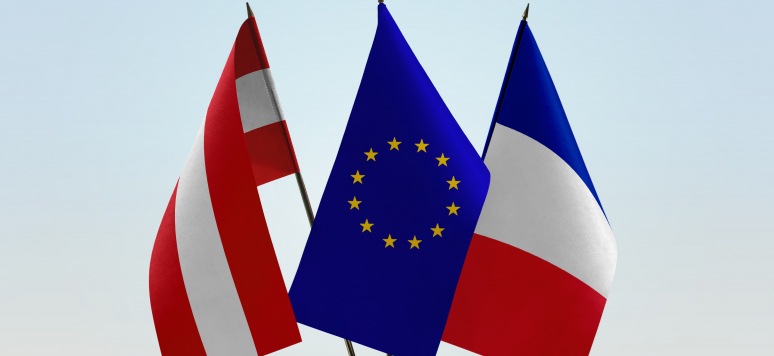
The Austro-French Centre for Rapprochement in Europe (ÖFZ/CFA) is a Franco-Austrian intergovernmental organization, initiated in 1976 by Prime Minister Jacques Chirac and Federal Chancellor Bruno Kreisky, in order to develop economic relations between Western and Eastern Europe, contributing to the creation of a Europe of peace.
After the fall of the Berlin Wall, the ÖFZ/CFA refocused its action on the problems following the enlargement of the European Union, and integrated the following countries in its field of activities : Hungary, Poland, Czech Republic, Slovak Republic, Slovenia, the Baltic countries, Romania and Bulgaria. ÖFZ/CFA's vocation, as a space for reflection and exchange, is in fact reinforced by the need to support the new member countries of the Union in their integration process. Since 2004, the ÖFZ/CFA has also turned towards the Union's new neighbors, in particular towards the countries of the Western Balkans, which perceive their future from a European perspective.
The ÖFZ/CFA strives to place all of its exchanges in a global perspective concerning the future of our continent. Today it centers its activities around three directions: the Franco-Austrian bilateral dialogue, the future of the European Union, the future recomposition of the continent.
Reports of all events organized by the ÖFZ/CFA are available on its website (http://oefz.at). The ÖFZ/CFA's budget is provided by the French and Austrian foreign ministries. Depending on the themes addressed, the ÖFZ/CFA calls on European public and private institutions to help finance its meetings. The CFA's orientations benefit from the recommendations of an Orientation Council, approved by a Board of Directors, which elects from among its members a president and a secretary general.
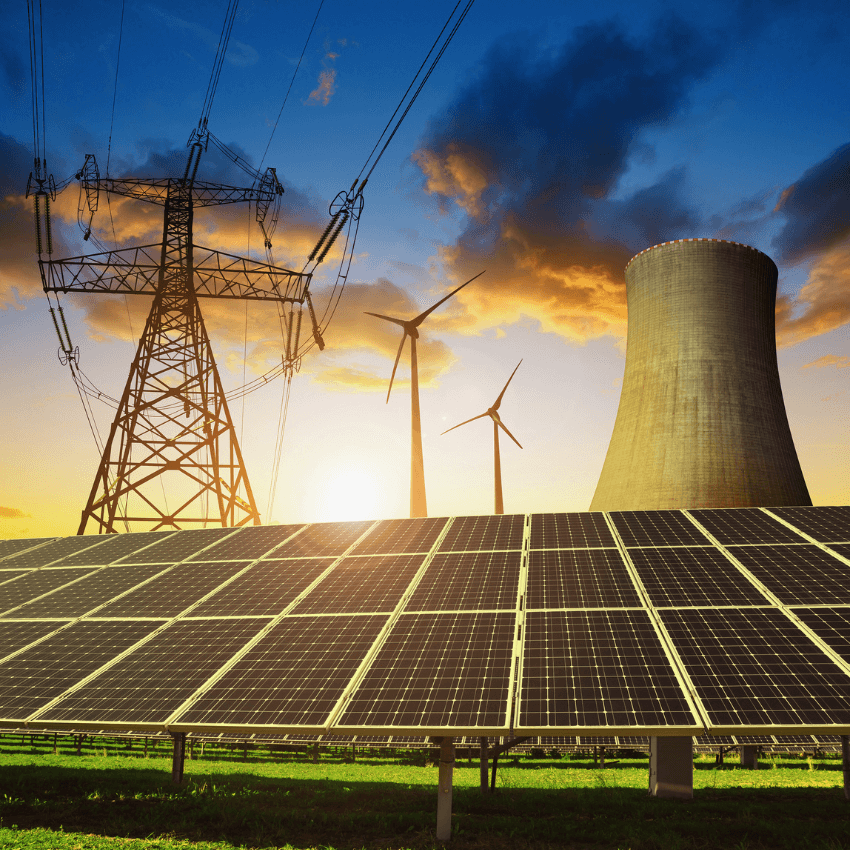
Ifri's Energy and Climate Center carries out activities and research on the geopolitical and geoeconomic issues of energy transitions such as energy security, competitiveness, control of value chains, and acceptability. Specialized in the study of European energy/climate policies as well as energy markets in Europe and around the world, its work also focuses on the energy and climate strategies of major powers such as the United States, China or India. It offers recognized expertise, enriched by international collaborations and events, particularly in Paris and Brussels.
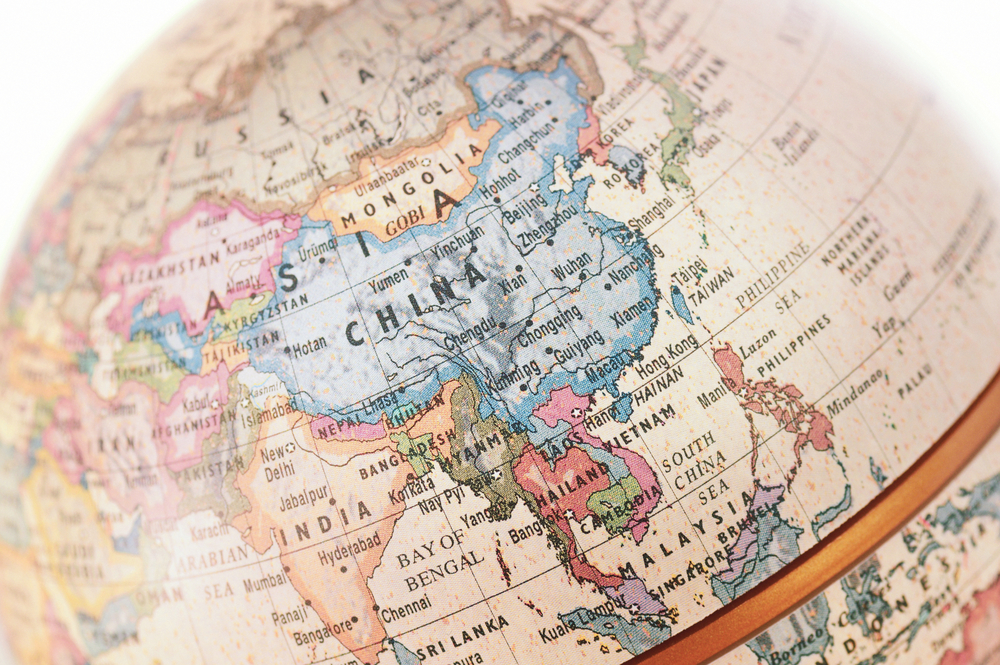
Asia is a nerve center for multiple global economic, political and security challenges. The Center for Asian Studies provides documented expertise and a platform for discussion on Asian issues to accompany decision makers and explain and contextualize developments in the region for the sake of a larger public dialogue.
The Center's research is organized along two major axes: relations between Asia's major powers and the rest of the world; and internal economic and social dynamics of Asian countries. The Center's research focuses primarily on China, Japan, India, Taiwan and the Indo-Pacific, but also covers Southeast Asia, the Korean peninsula and the Pacific Islands.
The Centre for Asian Studies maintains close institutional links with counterpart research institutes in Europe and Asia, and its researchers regularly carry out fieldwork in the region.
The Center organizes closed-door roundtables, expert-level seminars and a number of public events, including an Annual Conference, that welcome experts from Asia, Europe and the United States. The work of Center’s researchers, as well as that of their partners, is regularly published in the Center’s electronic journal Asie.Visions.

Ifri's work on the Americas region focuses mainly on the United States. Indeed, for more than 20 years, Ifri's Americas Program has provided keys to understanding American society and domestic policy while shedding light on developments in the country's foreign policy, including transatlantic relations and trade issues.
Since 2023, a specific axis on Latin America structures more actively Ifri's research on this region.
Ifri's Canada program was active in 2015 and 2016.
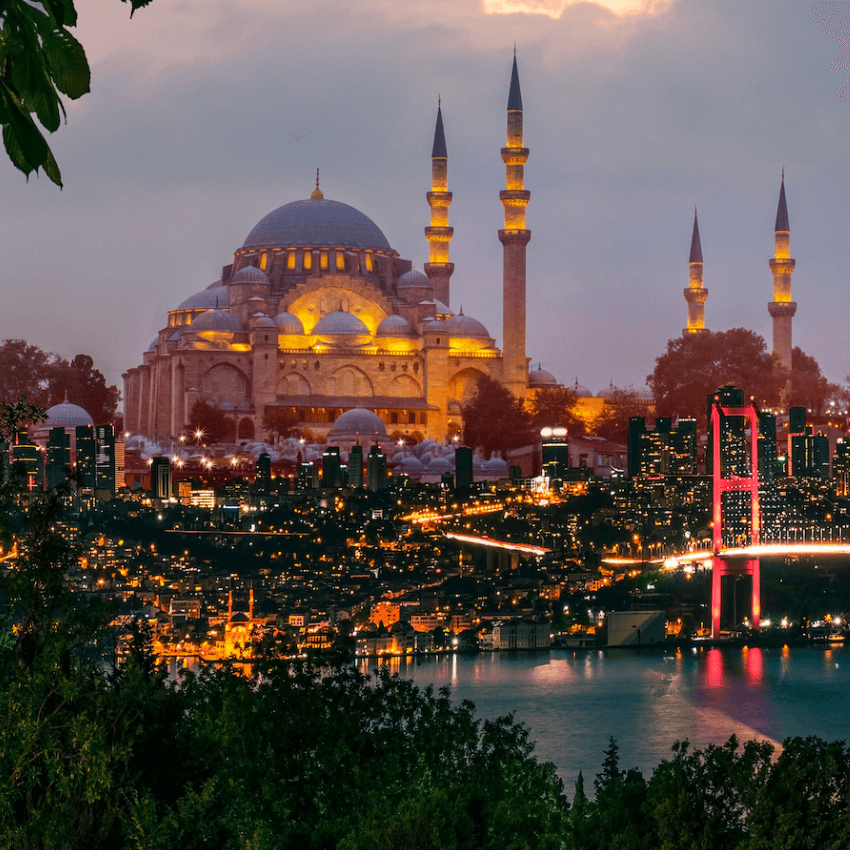
Ifri's Turkey/Middle East Program aims to provide expertise on the trends and developments in politics, societies and economies across the region.
The programme has the following objectives:
- Proposing a new approach towards the MENA region through an analysis of local, regional, and international dynamics with the potential to guide and influence new policies.
- Highlighting the role of foreign powers which have traditionally been present in the region and analyzing the new role taken on by emerging countries ;
- Anticipating new directions and outlooks in each country.
- Interpreting risks and potentials and putting forward new templates for analysis.
The programme has built a dense network of researchers and experts who provide expertise on the MENA region and working together on a range of crosscutting themes.

To analyze the impact of power rivalries and tensions on globalization, this initiative combines economic and political expertise. In the face of growing geopolitical risk, the goal is to decipher the dynamics of reconfiguration: protectionist pressures, sanctions, restrictions, industrial policies, and economic security concerns are redefining the rules of international trade. These tensions are also transforming international financial relations by undermining the foundations of trust and reshaping the global monetary system. They raise questions about the role of several key players: sovereign wealth funds, central banks, digital platforms, multilateral institutions, and financial infrastructure operators. In a context of profound disruption, simply refining existing approaches is no longer sufficient. The initiative is designed as a flexible model, drawing on diverse expertise to offer both broad overviews and targeted analyses. It also provides a platform for stakeholders and experts from various backgrounds to debate these issues freely.

Artificial intelligence (AI), 5G, cybersecurity, robotics, semiconductors, space…Technologies—particularly digital technologies—now profoundly affect all human activities and, by extension, international relations. The political, strategic, economic, and social stakes that arise from them are expressed across multiple political levels, involving states, international organizations, and private companies alike. International dynamics of competition and cooperation are being reshaped as a result. To address these challenges, Ifri launched its Geopolitics of Technology Center in 2020, offering a distinctly European perspective on the international issues surrounding so-called critical technologies.
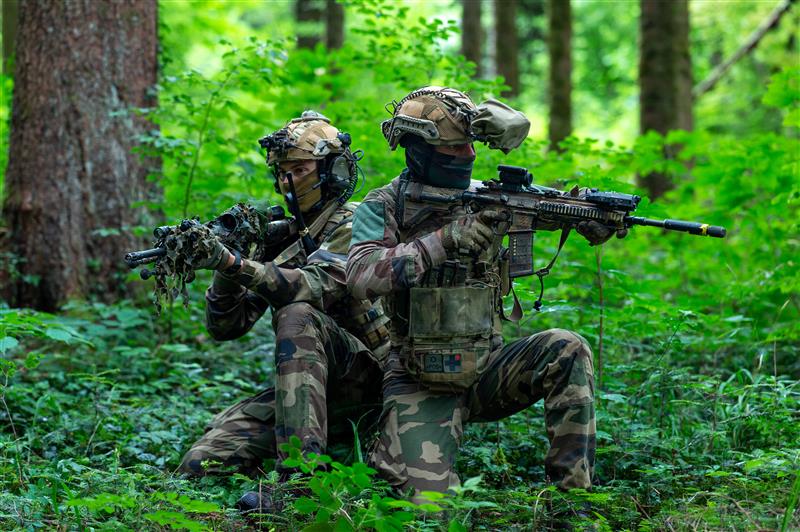
The Defense Research Unit is a program that aims at stimulating the strategic debate by dealing with subjects at the junction of the “technico-operational” and the “political-strategic”. A unique structure in France, it brings together civilian researchers and “military fellows” from each of the three armies to produce work on defense policies, the capability and strategic adaptation of armies, and foresight on tomorrow's conflicts.