






Practical information
This conference will bring together experts and former officials from France’s main defense partners – the United States, Germany and the UK – to discuss the book French Defence Policy since the end of the Cold War (Routledge, 2021).
Registrations are closed.
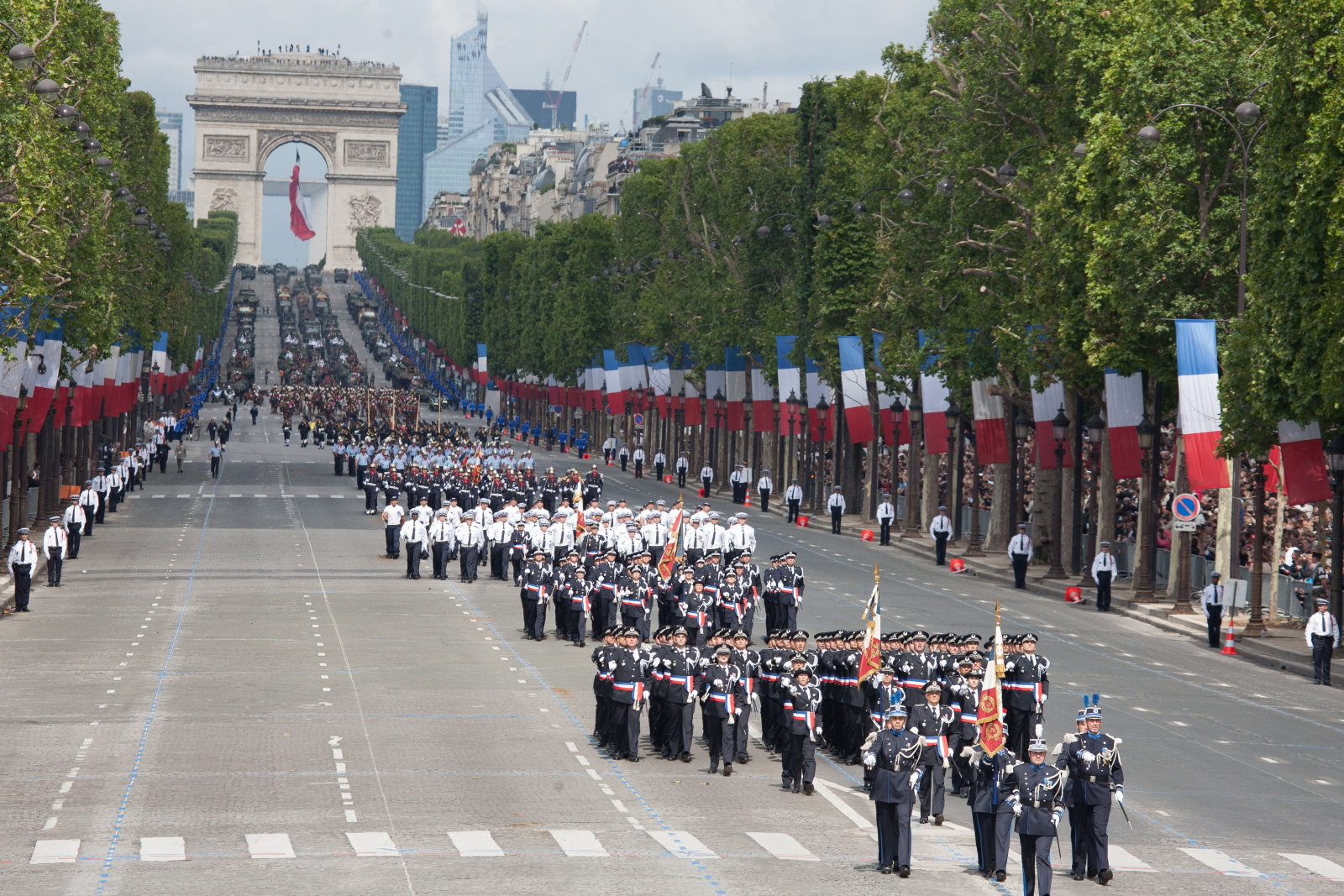
With a look at the developments of the past three decades, the book thematically addresses French defense institutions, the transformation of the armed forces, nuclear deterrence, the defense industry, military interventions, and alliances.
This webinar will be held in English.
Program:
Chair: Corentin BRUSTLEIN, Director, Security Studies Center, Ifri
- Presentation of the book by the authors
Alice PANNIER, Research fellow and head of the Geopolitics of technologies program, Ifri
Olivier SCHMITT, Director of research and studies at the Institut des hautes études de défense nationale (IHEDN) and professor (wsr) at the Center for War Studies, University of Southern Denmark
- Discussion:
Rachel ELLEHUUS, Deputy director and senior fellow with the Europe, Russia, and Eurasia Program at the Center for Strategic and International Studies (CSIS), Washington D.C.
Claudia MAJOR, Head of the International Security Division at the Stiftung Wissenschaft und Politik (SWP) in Berlin
Tom McKANE, Senior member of the European Leadership Network, distinguished fellow of the Royal United Services Institute and a visiting senior fellow at the London School of Economics and Political Science
Find out more
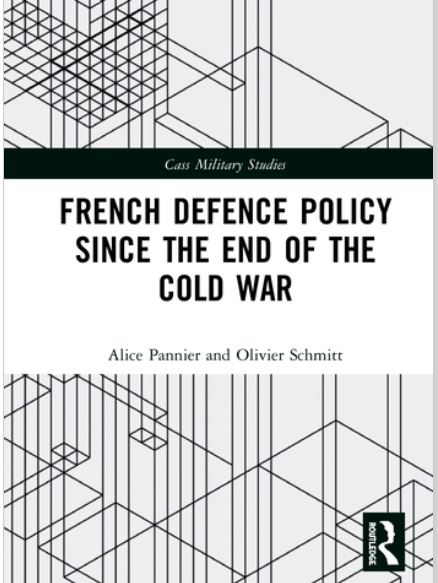
French Defence Policy Since the End of the Cold War
With a look at evolutions over the past three decades, the thematic chapters cover French defense institutions and civil-military relations, the transformation of armed forces, nuclear deterrence, the defense industry, military interventions, and alliances.