






Practical information
Conference with Loulouwa Al Rachid, political Scientist, with particular emphasis on Iraq, currently member of the Research Program When Authoritarianism Fails In The Arab World (Wafaw)/International Relations Study Center (CERI) at Sciences Po Paris..
Chaired by Dorothée Schmid, Responsible for the Turkey and Middle East Programme at Ifri
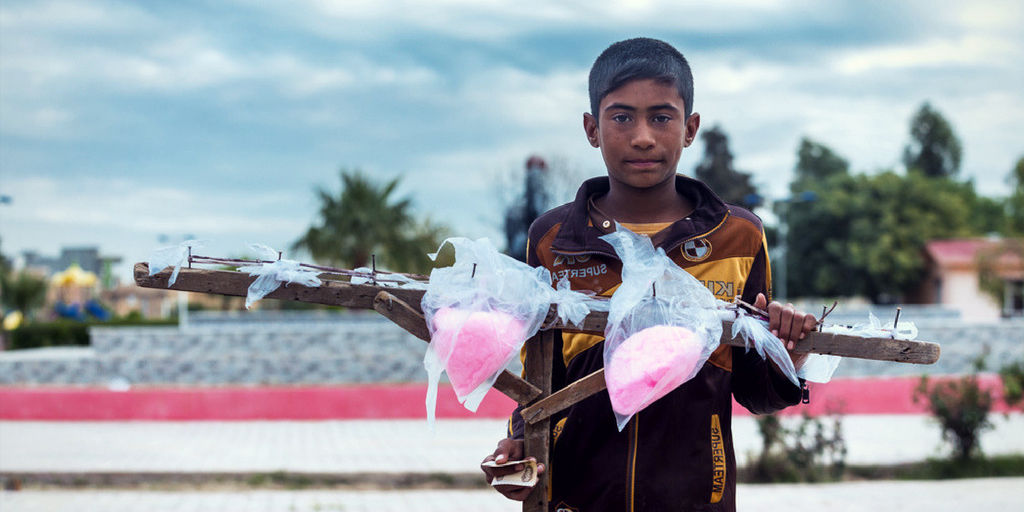
Would the expected military victory against ISIS suffice to pacify Iraq and trigger a new momentum of reform of its largely dysfunctional political system? Pending the next general elections, Prime minister Haidar Al-Albadi faces multiple challenges: humanitarian emergency in areas devastated by the long battle againts ISIS and subsequent need for national reconciliation with Sunni Arabs; revamping a political system plagued by armed militias and predatory and corrupt politicians committed to pursuing the existing status quo; growing economic difficulties due to the drop of oil revenues, and finally, international and regional actors seeing Iraq as an arena for their confrontation.
Other events
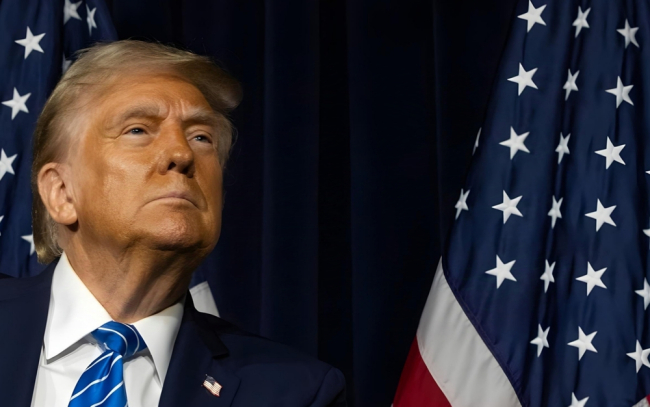
One Month Ahead of the Midterms: Where Is Trump’s America Headed?
The 24th edition of the Ifri Americas Programme Annual Conference will examine the dynamics at play in the United States and their implications for Europe and the transatlantic relationship. will examine the dynamics at play in the United States and their implications for Europe and the transatlantic relationship.
France-Ukraine Forum 2026
More than four and a half years after the start of the full-scale war launched by Russia against Ukraine, the 2026 France-Ukraine Forum will bring together policymakers, experts, academics, and civil society representatives from both countries to discuss three main topics: the formats and conditions for a lasting diplomatic settlement; Ukraine’s Euro-Atlantic integration, encompassing both the EU accession process and closer ties with NATO; and the societal transformations of postwar Ukraine, as well as its prospects for reconstruction.
The EU in a World of Economic Warfare: Trade, Geopolitics, and the Battle for Economic Sovereignty
The international trading system has become a primary theatre of geopolitical competition. Tariffs, sanctions, and technology controls have replaced dialogue as the default instruments of economic relations.