





The Missing Guest: Energy Efficiency in the Multilateral Energy Arena
Briefings de l'Ifri, October 12, 2021
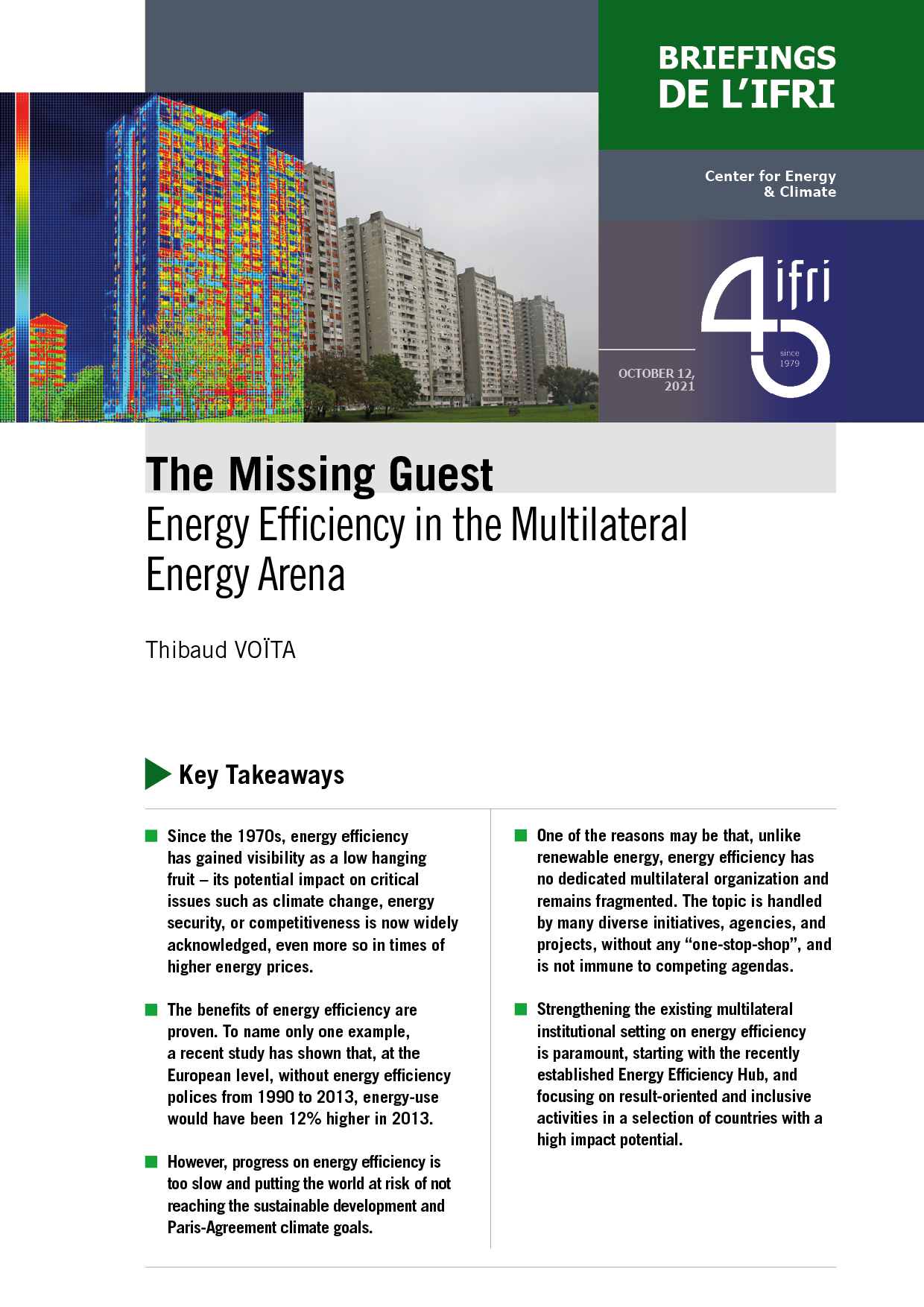
Since the 1970s, energy efficiency has gained visibility as a low hanging fruit – its potential impact on critical issues such as climate change, energy security, or competitiveness is now widely acknowledged, even more so in times of higher energy prices.
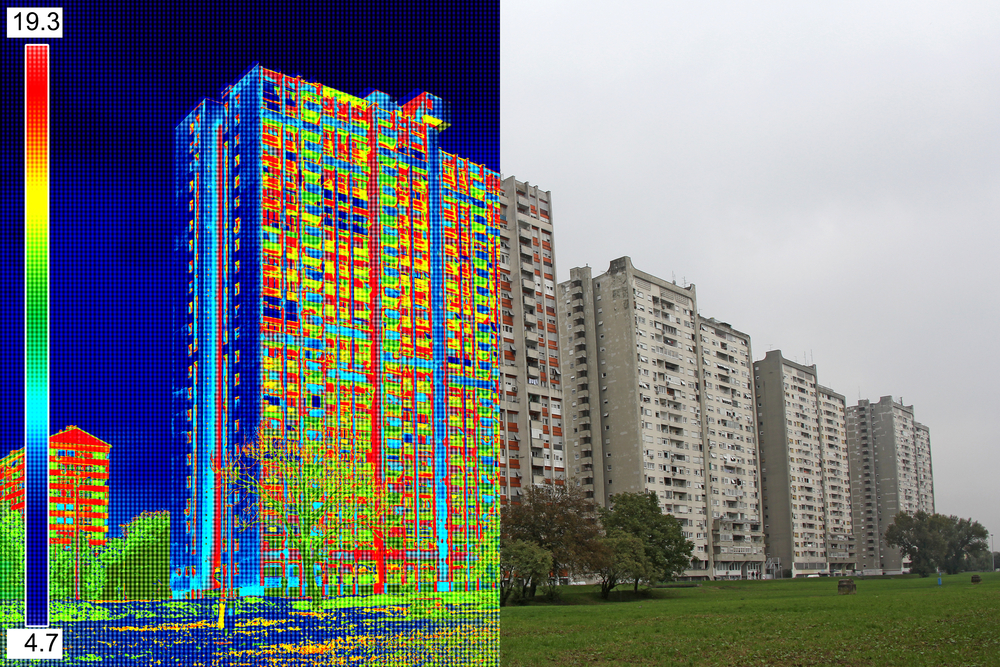
• The benefits of energy efficiency are proven. To name only one example, a recent study has shown that, at the European level, without energy efficiency polices from 1990 to 2013, energy-use would have been 12% higher in 2013.
• However, progress on energy efficiency is too slow and putting the world at risk of not reaching the sustainable development and Paris-Agreement climate goals.
• One of the reasons may be that, unlike renewable energy, energy efficiency has no dedicated multilateral organization and remains fragmented. The topic is handled by many diverse initiatives, agencies, and projects, without any “one-stop-shop”, and is not immune to competing agendas.
• Strengthening the existing multilateral institutional setting on energy efficiency is paramount, starting with the recently established Energy Efficiency Hub, and focusing on result-oriented and inclusive activities in a selection of countries with a high impact potential.

Available in:
Regions and themes
ISBN / ISSN
Share
This page contains only a summary of our work. If you would like to have access to all the information from our research on the subject, you can download the full version in PDF format.
The Missing Guest: Energy Efficiency in the Multilateral Energy Arena

Center for Energy & Climate
Ifri's Energy and Climate Center carries out activities and research on the geopolitical and geoeconomic issues of energy transitions such as energy security, competitiveness, control of value chains, and acceptability. Specialized in the study of European energy/climate policies as well as energy markets in Europe and around the world, its work also focuses on the energy and climate strategies of major powers such as the United States, China or India. It offers recognized expertise, enriched by international collaborations and events, particularly in Paris and Brussels.
China’s Hydrogen Economy Five Years On
China’s hydrogen sector is not new. It is the world’s largest industrial hydrogen system, rooted in ammonia, methanol, refining, coal chemicals and by-product gas streams.
27 Plans for 2027: Turning the Electrification Action Plan into National Action
With the aim of structurally reducing the European economy’s dependence on fossil fuel imports and accelerating the energy transition, the European Commission has opted for electrification.
How to Make European e-SAF Production under RefuelEU Aviation Fly?
Three and a half years before the scheduled entry into force of the European regulation ReFuelEU Aviation (RFEUA), which requires aviation fuel suppliers at Union airports to offer a sustainable synthetic alternative (e-SAF), no sizeable commercial production unit (greater than 10,000 tons per year) is active within Europe yet, nor has it even passed the Final Investment Decision (FID). Is a major step in the European Union (EU) plans for decarbonizing air transport at risk of not happening, or at least being postponed for several years? Is Europe losing its bet to create a market for e-SAF? Under what conditions can this bet still be won? Could sovereignty and energy security preoccupations unlock necessary public support and help to overcome economic, financial, logistical or administrative obstacles?
The European Biomethane Sector at a Critical Juncture: Stronger Policy Alignment Will Matter
The European biomethane sector is at a critical juncture.