




Practical information
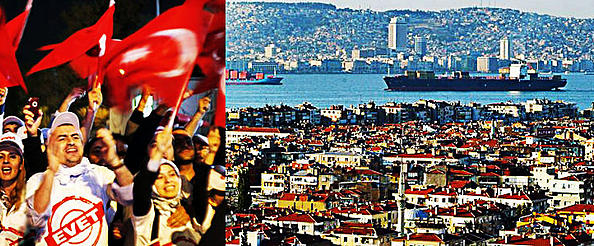
During the last eleven years, as its accession process to the European Union did not move much forward, Turkey, under the lead of Prime Minister Recep Tayyip Erdoğan, asserted itself as a regional power. It counts today 77 million inhabitants and reports a GDP of 820 billion USD (2013) which ranks it at the 17th world place.
This large emerging country led by a party that claims its religious identity, has recently elected, for the first time by universal suffrage, its President, the very Recep Tayyip Erdoğan. The later wishes to raise his "New Turkey" to the 10th world rank by 2023, year of the centennial of the Republic.
But the authoritarian drift of the power of the last years, could fragilize the country, which economic performances are declining ant that faces numerous conflicts at its frontiers.
Speakers

Our team

Dorothée SCHMID
Responsable du programme Turquie/Moyen-Orient de l'Ifri

Related Subjects
Other events
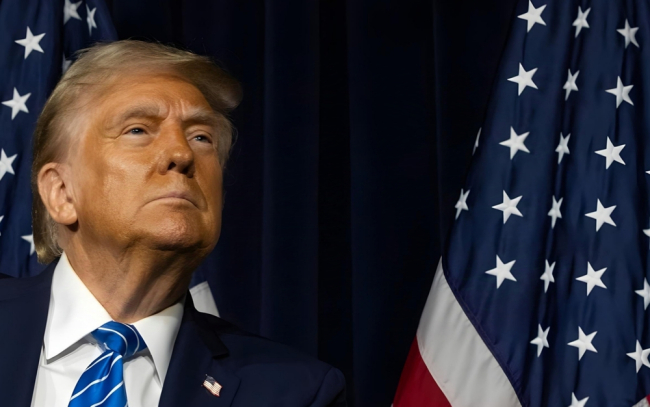
One Month Ahead of the Midterms: Where Is Trump’s America Headed?
The 24th edition of the Ifri Americas Programme Annual Conference will examine the dynamics at play in the United States and their implications for Europe and the transatlantic relationship. will examine the dynamics at play in the United States and their implications for Europe and the transatlantic relationship.
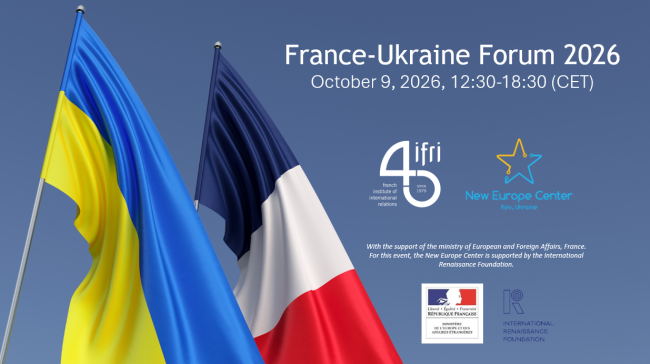
France-Ukraine Forum 2026
More than four and a half years after the start of the full-scale war launched by Russia against Ukraine, the 2026 France-Ukraine Forum will bring together policymakers, experts, academics, and civil society representatives from both countries to discuss three main topics: the formats and conditions for a lasting diplomatic settlement; Ukraine’s Euro-Atlantic integration, encompassing both the EU accession process and closer ties with NATO; and the societal transformations of postwar Ukraine, as well as its prospects for reconstruction.
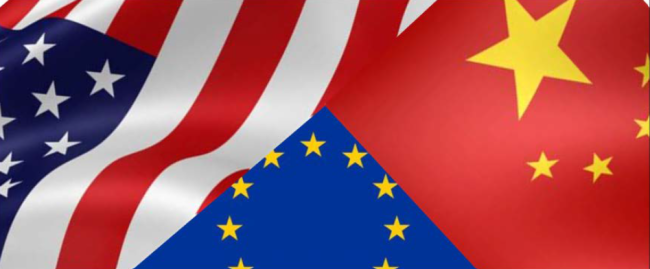
The EU in a World of Economic Warfare: Trade, Geopolitics, and the Battle for Economic Sovereignty
The international trading system has become a primary theatre of geopolitical competition. Tariffs, sanctions, and technology controls have replaced dialogue as the default instruments of economic relations.