




Practical information
The Economist Conferences organizes on July 7th 2011 "The Second Brazil Business Summit", an opportunity to review developments in the Brazilian market following the 2010 presidential elections.
Ifri is a supporting organisation of this event and will be represented by Francoise Nicolas, speaker on the panel: "What are the stakes in developing south to south business with Africa and China?"
Brazil is booming. The economy grew by 7.5% in 2010 and will sustain 5% over the next five years, driven by investment and private consumption. Brazilian firms are expanding rapidly, raising equity at home and acquiring new assets abroad. Large new offshore oil reserves will transform Brazil into a major oil exporter.
But while there is money to be made in Brazil, the savvy international investor needs answers to a series of questions: Will President Rousseff be able to sustain the progress made by Lula? Will she be able to rein in government spending and bring down interest rates and the real, while sustaining growth and controlling inflation?
At The Second Brazil Business Summit you will:
- Gain insight into the political and financial context after the 2010 elections
- Learn about how to tap into Brazil's growing consumer market
- Identify the infrastructure investment opportunities in light of the 2014 World Cup and the 2016 Olympics
- Understand how to benefit from the fast-growing energy sector
20% discount for IFRI Members! To register
Full program: see the attached pdf to top
For the latest agenda visit: www.economistconferences.com/brazil
Organizer: Economist Conferences
Contact: [email protected] / +33 1 43 12 85 55
Speakers

Our team
Other events
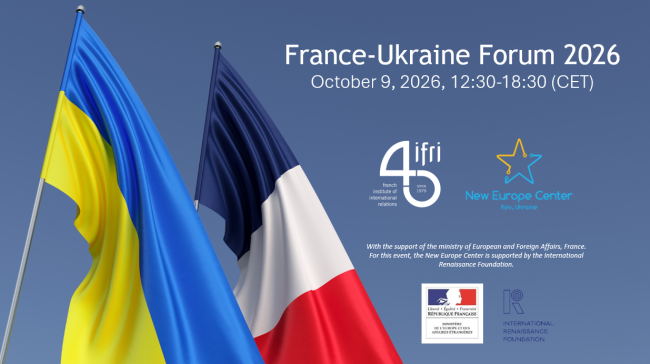
France-Ukraine Forum 2026
More than four and a half years after the start of the full-scale war launched by Russia against Ukraine, the 2026 France-Ukraine Forum will bring together policymakers, experts, academics, and civil society representatives from both countries to discuss three main topics: the formats and conditions for a lasting diplomatic settlement; Ukraine’s Euro-Atlantic integration, encompassing both the EU accession process and closer ties with NATO; and the societal transformations of postwar Ukraine, as well as its prospects for reconstruction.
The EU in a World of Economic Warfare: Trade, Geopolitics, and the Battle for Economic Sovereignty
The international trading system has become a primary theatre of geopolitical competition. Tariffs, sanctions, and technology controls have replaced dialogue as the default instruments of economic relations.
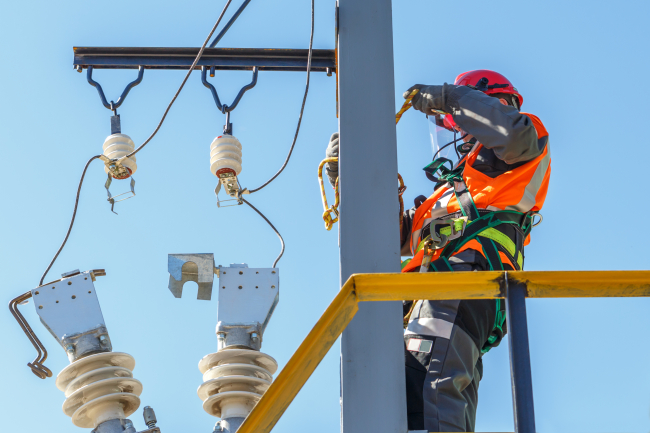
The Road to 27 Electrification Action Plans: Planning and Investing in Europe’s Electric Future
The European Commission’s Electrification Action Plan places the continent on an electric path to structurally reduce dependence on fossil fuel imports and boost the energy transition in industry, transport and buildings.