







Practical information
Close to five months after the February 1 coup that ended Myanmar's democratic experiment and brought the military back to power, the situation in the country remains volatile with an expanding civil war, while international action remains ineffective given divisions between the West and China, and ASEAN's flaws.
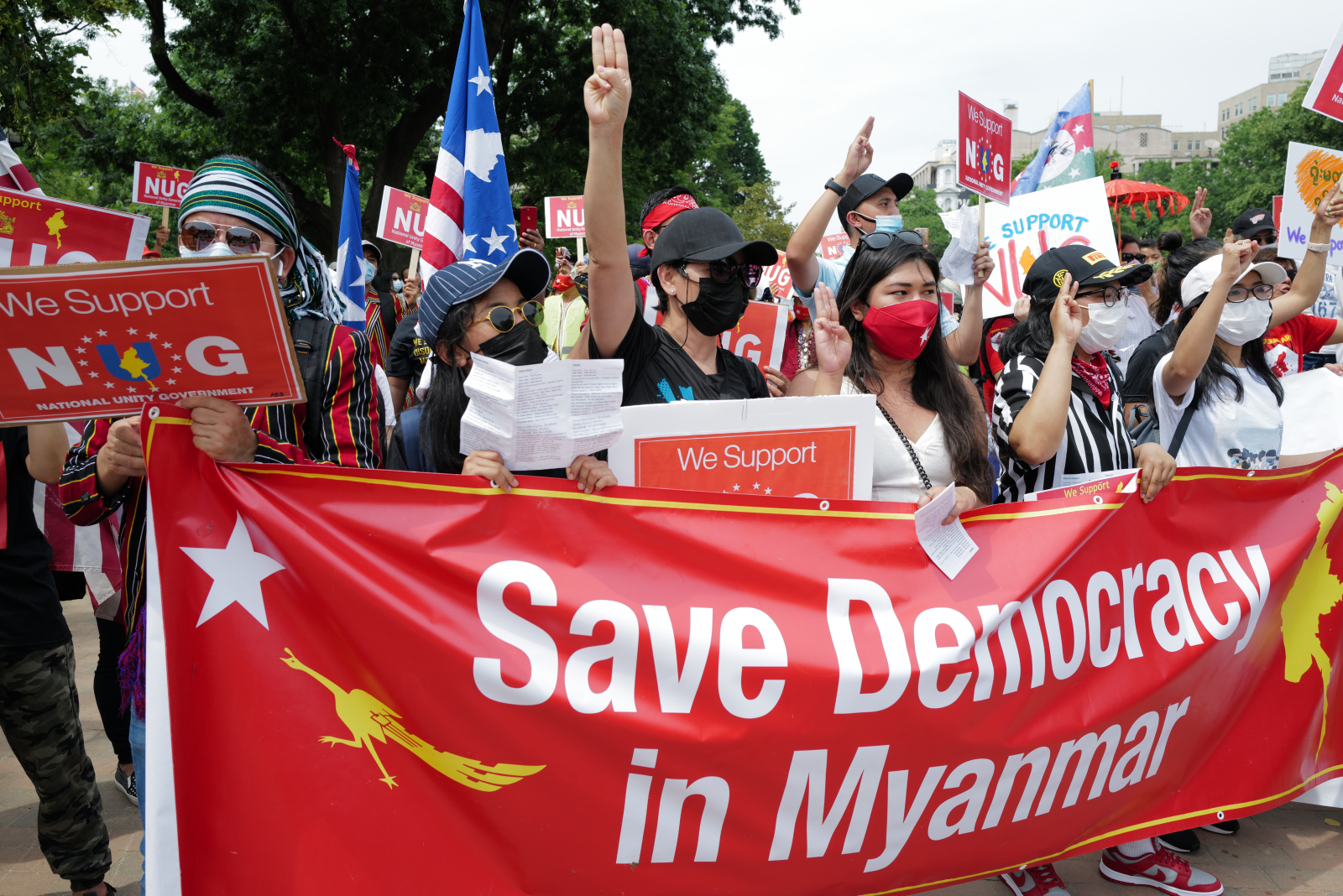
As the political and humanitarian crises deepen, how are Myanmar companies, civil society organizations and media reacting? What are the options for the international community and investors? What lies ahead and can it get worse?
Speakers:
- Sophie Boisseau du Rocher, Associate Research Fellow, Center for Asian Studies, Ifri
- Romain Caillaud, Principal, SIPA Partners, Tokyo
- David Camroux, Honorary Senior Research Fellow & Adjunct Professor, Sciences Po
- Thin Lei Win, freelance Burmese journalist, Rome
- Nyantha Maw Lin, consultant on government, public policy, and political risk
Chair: Françoise Nicolas, Director, Center for Asian Studies, Ifri
Related Subjects
Other events

France-Ukraine Forum 2026
More than four and a half years after the start of the full-scale war launched by Russia against Ukraine, the 2026 France-Ukraine Forum will bring together policymakers, experts, academics, and civil society representatives from both countries to discuss three main topics: the formats and conditions for a lasting diplomatic settlement; Ukraine’s Euro-Atlantic integration, encompassing both the EU accession process and closer ties with NATO; and the societal transformations of postwar Ukraine, as well as its prospects for reconstruction.

The EU in a World of Economic Warfare: Trade, Geopolitics, and the Battle for Economic Sovereignty
The international trading system has become a primary theatre of geopolitical competition. Tariffs, sanctions, and technology controls have replaced dialogue as the default instruments of economic relations.
The Road to 27 Electrification Action Plans: Planning and Investing in Europe’s Electric Future
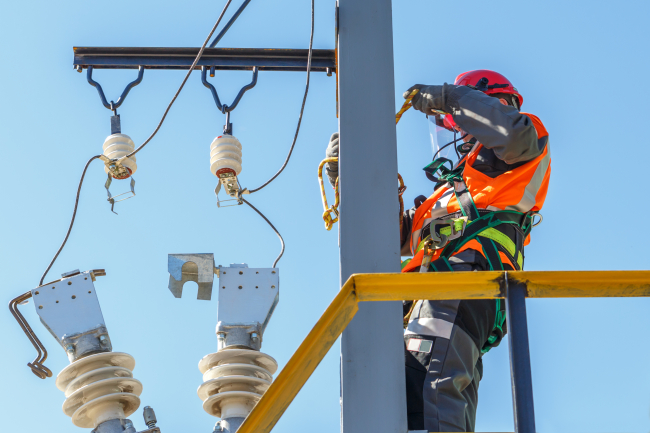
The European Commission’s Electrification Action Plan places the continent on an electric path to structurally reduce dependence on fossil fuel imports and boost the energy transition in industry, transport and buildings.